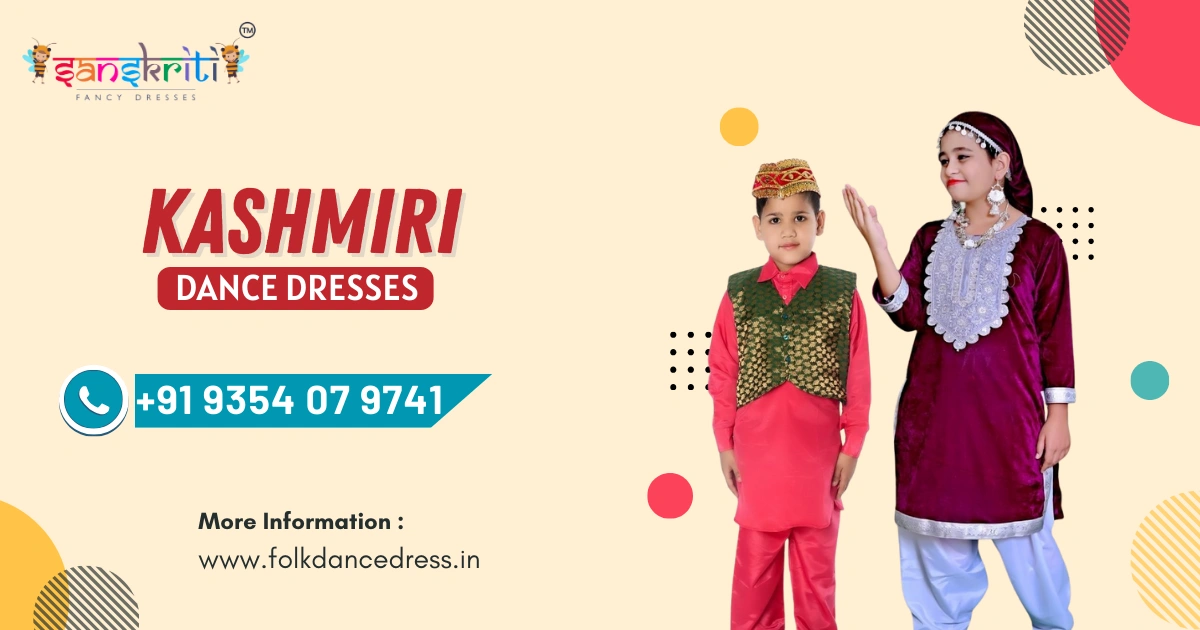
Kashmiri dance costumes pop with color and feel soft against the skin. Kashmiri dance dresses represent the serene and artistic culture of Kashmir. These dance styles (Roofs and Dumhals) look extra elegant when dancers use these outfits because they offer great comfort and ease of movement while dancing.
The pheran, the main garment worn by dancers, is a very loose fit and quite comfortable. The beautiful embroidery detailing gives it a special feel. To further enhance their beauty, simple jewellery, headgear and make-up complement this traditional Kashmiri-style look. Add some simple jewelry, maybe a headpiece, and a little makeup, and you’ve got that classic Kashmiri style.
It doesn’t matter if you’re dressing up for school, a cultural show, or a festival, these outfits always turn heads. They really bring Kashmir’s tradition to life on stage.
What is Kashmiri Dance?
Kashmiri Dance encompasses a collection of regional folk traditions from the stunning land of Jammu Kashmir. It is characterized by being soft, fluid and calm in nature. They express both the joy and lifestyle of the Kashmiri people, and demonstrate their cultural heritage.
Two of the best-known styles are Rouf and Dumhal. Rouf is mostly performed by women during festivals. The steps are gentle, the rhythm light, and there’s this easy grace to it all. Dumhal, on the other hand, is performed by men. Think bold colors, traditional masks, and energetic moves with big, bright flags waving in the air.
Most Kashmiri dances happen in big groups. The steps are simple, the music flows slowly, and together they create something beautiful. It’s not just about entertainment, it’s a way to show what Kashmiri culture is really about.
Famous Kashmiri Folk Dances and their Costume
Kashmir’s got a whole collection of traditional dances, and every one comes with its own unique costume. The clothes aren’t just for show, they’re made to fit the feeling, the music, and the moves of each dance. Here’s a quick tour of some well-known Kashmiri dances and what the dancers wear:
- Rouf: This one’s super popular, mostly danced by women. They slip into long, loose pherans with matching salwars. The outfit stays simple and soft, perfect for the gentle stepping that Rouf needs. A headscarf and a bit of light jewelry finish it off.
- Dumhal: Only men perform Dumhal. They go for long, colorful pherans, bright sashes, and a tall, cone-shaped hat decorated with beads and flowers. While they dance, they hold up a long, embroidered banner — it’s hard to miss.
- Hafiza Dance: This dance is all about grace, moving to slower music. The women here wear elegant pherans full of detailed embroidery, plus a scarf and traditional jewelry to tie it all together.
- Bhand Pather: Now this one’s more like folk theater, with a dose of storytelling. The costumes get wild — bright colors, playful styles, and sometimes a bit dramatic. Each performer dresses to match their character, so there’s a lot of variety.
- Wuegi Nachun: This dance celebrates the harvest. Women keep it simple with soft-colored pherans, light scarves, and just a touch of jewelry.
Every dance brings its own style, and the costumes always match the beat and spirit of the performance. In the end, these outfits really show off Kashmir’s love for color, embroidery, and graceful design.
Main parts of the Kashmiri Dance Dress
Kashmiri dance dress have this effortless elegance, soft, comfortable, and packed with tradition. There’s a certain charm you can’t miss. The whole look comes together from a handful of essential pieces.
First up, the pheran. It’s the heart of the costume, a long, loose robe that drops below the knees. Dancers can move easily in it, gliding through those graceful steps. Both men and women wear pherans, though the colors and patterns change depending on who’s wearing it.
Then you’ve got the bottom half: a simple salwar or pajama. Nothing fancy here, just something comfortable, so dancers don’t feel restricted.
Women usually add a scarf or a head covering. Sometimes, it’s the traditional taranga, which really completes the look and gives it that extra touch of beauty.
In dances like Dumhal, men tie a colorful sash around their waist. It’s not just practical, it adds a flash of color and a bit of flair.
And of course, the jewelry. Kashmiri pieces are never over the top, just classic earrings, necklaces, maybe a small ornament for the forehead. Just enough sparkle to catch the light.
On their feet, dancers wear soft slippers or flat shoes. Nothing that’ll trip them up, just something to keep them grounded and comfortable.
Put all these pieces together, and you get that graceful, unmistakable Kashmiri dance costume. It’s traditional, beautiful, and always stands out on stage.
Fabrics used in Kashmiri Dance Dresses
Kashmiri dance dresses use soft and comfortable fabrics that match the calm and graceful style of the dances. These fabrics also reflect the cool weather of Kashmir.
- Wool blend is commonly used because it keeps the body warm. It is soft and feels light, which makes it good for slow dance movements.
- Cotton is used for simple and comfortable outfits. It is breathable and easy to wear during school events and cultural programs.
- Silk blend fabrics give a rich and shiny look. They are used for special performances. They move gently with every step and look beautiful on stage.
- Velvet is used in some traditional pherans. It has a royal look and is perfect for festive dances. It also keeps the dancer warm.
- Georgette is light and flowy. It is often used for modern or fancy dress versions of the Kashmiri costume.
These fabrics help create dresses that look traditional, feel warm and soft, and move nicely with the gentle steps of Kashmiri dances.
Kashmiri Dress for Kids and School Programs
Kashmiri dress for kids are light, easy to slip on, and look great under stage lights. It keeps the traditional style but stays comfortable for children during school functions and cultural programs.
For girls, the outfit usually includes a soft pheran, a simple salwar and a light headscarf. The colours are kept bright so the dress stands out. Light embroidery or printed borders add charm without making the costume heavy.
Boys get a pheran too, along with a pajama or churidar. Some schools also add a small waist sash or a simple cap to complete the look.
Accessories are kept simple for kids. Small earrings, a tiny necklace or a bindi are enough for girls. Boys usually do not need extra accessories.
Teachers and parents go for ready-made sets since they’re quick to put on and comfortable for long hours. These clothes let kids dance Rouf or take part in any Kashmiri performance without fuss, all while showing off the beauty of their tradition.
Buying vs Renting Kashmiri Dance Dress
Choosing between buying and renting a Kashmiri dance dress depends on how often you need it, your budget and the type of event. Both options can work well, but each has its own advantages.
| Point | Buying | Renting |
|---|---|---|
| Cost | Higher | Lower |
| Use | Good for many events | Best for one-time use |
| Fit | Better fit and comfort | Basic fit |
| Style Choice | More options | Limited options |
| Cleanliness | Brand new | Used by others |
| Storage | Needs storage space | No storage needed |
| Best For | Dance groups, repeated shows | School events, quick programs |
How to choose the right Kashmiri Dress?
Picking the right Kashmiri dress really matters—it lets a dancer feel at ease and look sharp on stage. Here’s how to find an outfit that works:
- Go for soft, lightweight fabric: Cotton, a wool blend, or light silk blend all work well. They’re comfortable and flow nicely when you move.
- Stick with calm, rich colors: Think maroon, blue, green, cream, or mustard. These shades really fit the gentle vibe of Kashmiri dance.
- Keep designs simple: A bit of embroidery, printed borders, or a touch of tilla is plenty. Heavy designs just get in the way and can feel stiff.
- Make sure the pheran fits right: The pheran should be loose and long enough to look traditional, but not so long that you risk stepping on it while dancing.
- Pick a comfortable headscarf: It should stay put and feel light. You don’t want it slipping or getting in your way.
- Choose light jewelry: A small necklace, earrings, or a little ornament on the forehead adds the right touch. Anything too heavy can pull focus from the dance.
- Test how it feels: Let the dancer walk, turn, and lift their arms. If they can move easily, the dress is a winner.
Frequently Ask Questions
Q. What is a Kashmiri dance dress?
A. It is the traditional outfit worn for folk dances of Kashmir. It usually includes a pheran, salwar and a headscarf.
Q. Which dances use the Kashmiri dress?
A. Dances like Rouf, Dumhal and Hafiza use traditional Kashmiri costumes.
Q. What colours are common in Kashmiri outfits?
A. Common colours include maroon, blue, green, white and mustard.
Q. Which fabrics are used?
A. Cotton, wool blend, silk blend, velvet and georgette are often used.
Q. What is a pheran?
A. A pheran is a long, loose robe worn by both men and women in Kashmir.
Q. Should I buy or rent a Kashmiri dress?
A. Buy for repeated use. Rent for one-time programs or school shows.
Q. What jewellery is worn with the dress?
A. Small earrings, a necklace and sometimes a forehead ornament.
Q. How do I take care of the dress?
A. Wash cotton dresses gently. Dry clean silk or velvet. Keep the scarf folded neatly.
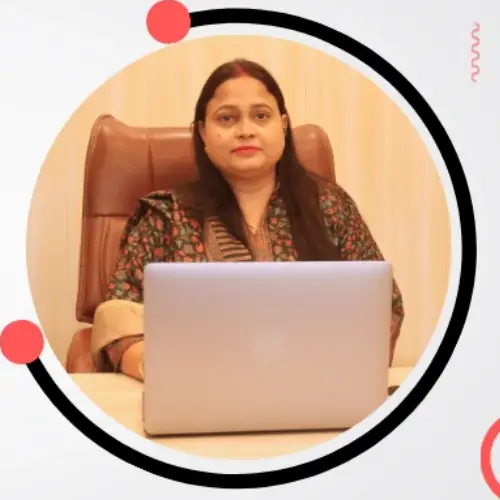
Sapna Kumari is the founder of Sanskriti Fancy Dresses (Since 2018) and a dance teacher who has been closely associated with school cultural programs and stage performances.
Through her work with schools, teachers and parents, she has gained practical experience in planning costumes for annual functions, folk dance performances and fancy dress competitions.
She writes about school costume planning, folk dance dresses and cultural event preparation to help teachers and parents organize stage performances smoothly.
Sapna Kumari has been actively working in the field of school event costumes and cultural performances.
Her experience includes:
costume planning for school annual functions
folk dance costumes for stage performances
fancy dress competition preparation
bulk costume coordination for school events
Through Sanskriti Fancy Dresses, she works closely with teachers, dance instructors and event coordinators to help them arrange costumes efficiently for school programs.