Kolattam Folk Dance Dress is worn for Kolattam, a folk dance that is very common in Tamil Nadu. You will also see it in some parts of Andhra Pradesh and Karnataka. In Andhra Pradesh, people often call the same dance Kolannalu.
This dance is all about rhythm. The dancers use small wooden sticks and hit them against each other while dancing. That stick sound is the main music. There may be drums in the background, but the sticks are what really guide the steps. Because of this, the hands and arms are always active.
Kolattam is usually done by women. They stand in two circles, one inside and one outside. As they move, they turn, step, and strike sticks with the dancer in front of them. The dance does not stay slow. It starts calmly, then slowly becomes faster, and by the end it needs a lot of energy.
Since there is so much movement, the dress cannot be stiff or heavy. If the saree is too tight or the blouse restricts the arms, the dancer will struggle. At the same time, the costume still needs to look proper and traditional on stage. That is why Kolattam dance dress is planned in a way that supports movement first, and looks second.
Understanding Kolattam Dance – Origin, Regions, and Community Style
Kolattam is a folk dance that belongs to everyday village life. It did not start as a stage performance. It started as a community activity where women gathered and danced together during festivals and local celebrations.
You will mostly see Kolattam in Tamil Nadu. In Andhra Pradesh, especially in some regions, it is called Kolannalu. Karnataka also has its own versions. Even though the steps may change slightly from place to place, the idea stays the same. Group dancing. Rhythm created by sticks. Everyone moving together.
This dance is not about one person standing out. Everyone follows the same rhythm and pattern. The circles, the steps, and the stick movements all depend on coordination. That is why Kolattam is often taught in schools and community groups. It builds timing and teamwork.
How Kolattam Dance Movements Influence the Costume Design
Kolattam involves constant movement. The dancers keep walking, turning, bending slightly, and lifting their arms again and again. The sticks are struck at shoulder height, sometimes above the head.
Because of this, the costume needs to allow:
- free arm movement
- easy turning without cloth pulling
- steady footwork and half-sitting postures
If the saree is too tight or the pleats are not set properly, the dancer will feel uncomfortable very quickly. The blouse sleeves also matter. If they are too tight, arm movement becomes difficult.
Women’s Kolattam Dance Dress – Complete Costume and What It Includes
Women are the main performers in Kolattam, so their costume is the most detailed.
A traditional women’s Kolattam dance costume usually includes:
- a bright saree, often silk or cotton, with a wide border
- a contrasting blouse, fitted well for arm movement
- a waist belt (oddiyanam) to hold the saree firmly
- temple jewellery, worn on the head, ears, neck, and waist
- flowers, usually jasmine, tied in the hair
- ankle bells, to add rhythm along with the sticks
The saree is worn in a way that allows easy leg movement. Many dancers use a pleated front so the steps look clear while dancing. The waist belt helps keep everything in place during fast turns.
Saree Styles Used in Kolattam – Draping, Pleats, and Movement Support
Kolattam saree draping is not about fashion. It is about movement. The dancer has to walk fast, turn often, and bend slightly again and again. If the saree is not worn properly, it becomes a problem within minutes.
Most women wear the saree in a regular drape with a strong front pleat. That pleat helps during half-sitting steps and makes leg movement clear. In some traditional groups, a Madisar-style influence is also seen, but on stage the regular pleated drape is more common.
What matters in Kolattam saree draping:
- pleats should be tight and secure
- the saree should not hang too low
- the border should stay in place during turns
Temple Jewellery, Flowers, and Traditional Accessories in Kolattam
Jewellery is an important part of Kolattam, but it is traditional, not flashy. Most dancers wear temple jewellery, which is gold-plated and designed for classical and folk dances.
Common jewellery pieces include:
- head ornament (thalaisaaman)
- jhumka earrings
- necklace worn close to the neck
- waist belt (oddiyanam)
Flowers are almost always used. Jasmine flowers are tied thickly around the hair bun. They add to the traditional look and move gently as the dancer turns.
Ankle Bells (Ghungroo) and Their Role in Kolattam Rhythm
Ankle bells are often used in Kolattam, especially in traditional performances. The sound of the bells adds another layer to the rhythm created by the sticks.
Kolattam footwork is steady and repetitive. The bells help match the steps with the stick rhythm and drum beat.
In school performances:
- ankle bells may be optional
- some schools avoid them due to noise control
- soft bells are preferred over heavy ones
Whether bells are used or not, the steps must stay clear and balanced. The costume should never distract from the rhythm.
Men’s Kolattam Dance Dress – Simple and Supportive
Kolattam is mainly performed by women, but in some regions men also take part. When men perform Kolattam or appear on stage with the group, their costume is kept very simple.
Men usually wear a dhoti or veshti, most often in white or off-white, with a gold or coloured border. It is tied in a way that allows easy leg movement. A colourful sash is sometimes tied at the waist to give a festive look.
The upper body is usually:
- bare-chested in traditional village performances
- or covered with a simple sleeveless vest for stage and school programs
There is no heavy jewellery or decoration. The idea is to keep the look clean and supportive so the focus stays on the rhythm and the women’s group movement.
The “Kole” (Sticks) – Size, Material, and Decoration
In Kolattam, the sticks are as important as the costume. They are not just props. They create the main sound of the dance.
The sticks are usually:
- about 12 to 18 inches long
- made from strong, seasoned wood
- light enough to handle for long time
Traditionally, wood like teak is used. The sticks are smooth so they do not hurt the hands while striking again and again.
Fabrics Used in Kolattam Dance Dress and Why They Are Chosen
Kolattam involves fast movement and long dancing time, so fabric choice matters a lot.
Women usually wear:
- silk sarees, like Kanchipuram silk, for traditional and temple programs
- bright cotton sarees for school and long performances
Silk looks rich on stage, but cotton is easier to manage and more comfortable, especially for children.
Colours, Borders, and Visual Balance in Kolattam Costumes
Kolattam costumes are colourful. The dance is energetic, so the colours also need to feel lively.
Common colour choices include:
- red, green, yellow, blue
- bright sarees with wide gold borders
- contrasting blouse colours
The wide zari border of the saree helps the movements stand out when dancers turn in circles. At the same time, all dancers usually wear similar colour combinations so the group looks balanced.
Kolattam Dance Dress for Kids and School Performances
Kolattam is very popular in schools because it looks lively and works well for group performances. But when children are involved, the costume always needs a few changes.
For kids, the dance dress is made simpler:
- sarees are usually pre-stitched instead of draped
- blouses are fully stitched and comfortable
- jewellery is light and minimal
- sticks are lighter and shorter
The idea is that children should focus on steps and rhythm, not worry about the costume slipping or feeling heavy. Teachers prefer costumes that can be worn quickly and stay in place for the full performance.
When and Where Kolattam Dance Dress Is Commonly Used
Kolattam is performed during temple festivals, village celebrations, and special occasions like weddings. It is also commonly seen during cultural programs and folk festivals.
Outside villages, Kolattam is widely performed in:
- school annual days
- college cultural events
- state and national folk festivals
The dance looks best when done in a group, with everyone dressed in similar colours and style. The costume, rhythm, and movement together create the full Kolattam experience.
Common Costume Mistakes Parents and Teachers Should Avoid
One common mistake is using very heavy sarees for children. Heavy silk makes movement difficult and tires the dancer quickly.
Another mistake is overloading the costume with jewellery. Kolattam does not need too many ornaments. Too much jewellery can distract from the dance and cause discomfort.
Loose draping is also a problem. If the saree or pleats are not secured properly, the dancer may keep adjusting the costume on stage.
Frequently Ask Questions
Q. Which dance uses the Kolattam folk dance dress?
A. Kolattam dance uses this dress, mainly performed in Tamil Nadu and also in parts of Andhra Pradesh and Karnataka.
Q. Is Kolattam dance dress worn only by women?
A. Kolattam is mostly performed by women, so the main costume is for women, but in some places men also wear simple Kolattam-style dress.
Q. What type of saree is usually worn for Kolattam dance?
A. Kolattam dancers usually wear Kanchipuram silk sarees or bright cotton sarees with wide borders so movement looks clear on stage.
Q. Is the saree draped normally or in a special way for Kolattam?
A. For Kolattam dance, the saree is draped firmly with strong pleats so the dancer can move, bend, and turn easily.
Q. Are sticks compulsory in Kolattam dance?
A. Kolattam dance always uses sticks. The sound of the sticks is the main rhythm of the dance.
Q. Is heavy jewellery required for Kolattam dance costume?
A. Kolattam jewellery is traditional but not heavy. Temple-style jewellery is used, and for school programs it is kept light.
Q. Can children wear Kolattam dance dress for school programs?
A. Kolattam dance dress works well for kids when the saree is pre-stitched and the jewellery and sticks are safe to handle.
Q. Is Kolattam dance dress suitable for solo performance?
A. Kolattam dance dress is meant for group performances because the dance is based on circles and group rhythm.
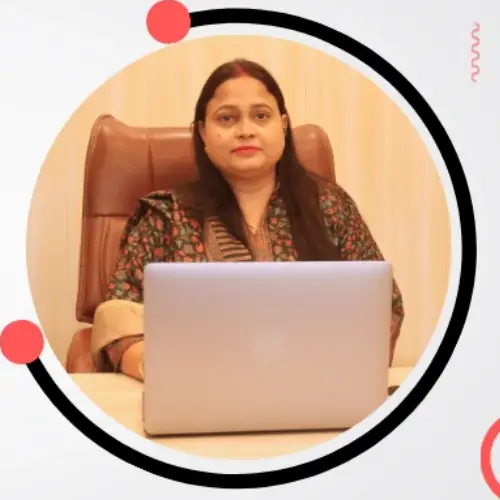
Sapna Kumari is the founder of Sanskriti Fancy Dresses (Since 2018) and a dance teacher who has been closely associated with school cultural programs and stage performances.
Through her work with schools, teachers and parents, she has gained practical experience in planning costumes for annual functions, folk dance performances and fancy dress competitions.
She writes about school costume planning, folk dance dresses and cultural event preparation to help teachers and parents organize stage performances smoothly.
Sapna Kumari has been actively working in the field of school event costumes and cultural performances.
Her experience includes:
costume planning for school annual functions
folk dance costumes for stage performances
fancy dress competition preparation
bulk costume coordination for school events
Through Sanskriti Fancy Dresses, she works closely with teachers, dance instructors and event coordinators to help them arrange costumes efficiently for school programs.