Dhimsa is a traditional folk dance from the Araku Valley in the Visakhapatnam district of Andhra Pradesh. It is a tribal dance and is mostly performed by women from the Porja community. You will usually see it during festivals, weddings, and village celebrations.
The dance is energetic. The dancers move in a circle and keep stepping to the beat of the drum. Once the dance starts, it continues without stopping. Everyone moves together. Because of this, the dress worn for Dhimsa cannot be heavy or uncomfortable. The dancers need to feel free to move for a long time.
The costume used in Dhimsa comes from regular tribal clothing. It is not made just for performance. It is practical clothing that people are already used to wearing. During the dance, the dress is worn in a more uniform way so the group looks connected.
In school and cultural programs, Dhimsa is often chosen because it shows energy and unity. When the costume is kept simple and correct, it matches the strength of the dance and does not distract from the movement.
Understanding Dhimsa Dance – Rhythm, Circles, and Community Bonding
Dhimsa is not a solo dance. It is always about the group. The dancers move together, usually in a circle, following the same rhythm. There is no front dancer and no back dancer. Everyone has the same role.
The rhythm comes from traditional drums. The beat is strong and steady, and the steps follow that beat closely. The feet move again and again in the same pattern. This repetition is what gives Dhimsa its energy. Even though the steps are simple, the continuous movement makes the dance powerful.
This dance is closely linked to community life. It is performed during weddings, festivals, and social gatherings where people come together. Dancing Dhimsa is not about performance alone. It is about bonding, celebration, and moving as one group.
Because of this style, the costume also follows a community approach. All dancers dress in a similar way. No one stands out through clothing. The focus stays on rhythm, unity, and shared movement, which is the true spirit of Dhimsa.
How Dhimsa Dance Movements Shape the Costume Design
Dhimsa is a high-energy dance. The dancers keep moving for a long time without breaks. The steps are repetitive and rhythmic, with firm footwork.
Because of this movement style, the costume needs to:
- stay secure during continuous movement
- allow free leg and hip movement
- feel light even after long dancing
Clothes that are too tight, too long, or too heavy do not work for Dhimsa. They slow the dancer down and disturb balance.
The circular movement also means the costume should look good from all sides. That is why the dress is simple and evenly shaped, without heavy front or back decoration.
Women’s Dhimsa Dance Dress – Complete Costume and What It Includes
Women are the main performers in Dhimsa dance. Their costume is simple but strong in identity.
A traditional women’s Dhimsa dance dress usually includes:
- a lower cloth or skirt, worn around the waist, allowing easy leg movement
- a short blouse or fitted top, comfortable for long dancing
- a cloth drape or scarf, depending on the local style
- traditional jewellery, mostly beads or metal ornaments
The skirt or lower cloth is not very long. It allows stamping and stepping without getting in the way. The blouse stays fitted so it does not move during dancing.
For stage and school use, the costume is often stitched for safety. Skirts replace loose wraps, and tops are fully stitched. The overall look remains tribal, but handling becomes easier.
Men’s Role in Dhimsa Dance and Supporting Costume Elements
Men do not lead Dhimsa dance, but they play an important supporting role. They handle the drums and keep the rhythm steady for the dancers.
When men participate in the dance or appear on stage, their clothing is simple. It matches the tribal style and does not overpower the women’s costume.
Men’s costume generally includes:
- a simple lower wrap or dhoti-style cloth
- sometimes a plain upper cloth or vest for stage programs
There is no heavy jewellery or decoration. The focus stays on rhythm and support, not appearance.
Upper Garments Used in Dhimsa Dance Dress
Upper garments in Dhimsa dance are simple and practical. They are not meant to stand out. Their only purpose is to stay comfortable during long, energetic movement.
For women, the upper garment is usually a short blouse or a fitted top. It sits properly on the body and does not move while dancing. Sleeves, if present, are short so the arms can move freely.
For men, when they are part of the performance or on stage, a plain vest or simple cloth is used. There is no heavy stitching or decoration.
Things that matter for upper garments in Dhimsa:
- they should not feel tight on the shoulders
- they should not slip during movement
- they should stay light even after long dancing
For school programs, fully stitched tops are always better. They save time and avoid problems on stage.
Lower Garments, Draping Style, and Skirt Movement in Dhimsa
The lower garment is the most important part of the Dhimsa costume. It supports the strong footwork and circular movement of the dance.
Traditionally, women wear a skirt or wrapped cloth that allows free leg movement. The length is kept manageable so dancers can stamp their feet without stepping on the cloth.
The drape is simple. There are no heavy pleats or layers. The cloth moves with the body and does not pull or twist while dancing.
For children and school groups:
- skirts are stitched instead of loose wraps
- elastic waists are used for comfort
- the same length is kept for all dancers
Fabrics Used in Dhimsa Dance Dress and Why They Are Chosen
Dhimsa is a high-energy dance, so fabric choice is very important. Dancers move continuously, and the body heats up quickly.
Traditionally and for stage use, fabrics are chosen because they:
- allow air to pass
- absorb sweat
- feel light even after long movement
Commonly used fabrics include cotton and cotton-blend fabrics. Handwoven tribal fabric is also used when available, as it matches the cultural look.
Heavy fabrics like thick silk or satin are avoided. They feel warm and restrict movement. Wool is not suitable at all.
Colours and Tribal Patterns in Dhimsa Dance Dress
Colours in Dhimsa dance dress are lively but not shiny. They reflect tribal life and festive mood.
You will often see:
- red, maroon, and earthy shades
- deep green or mustard tones
- simple tribal patterns or woven textures
The colours help the group look energetic when dancing in a circle. At the same time, no single dancer looks different from the rest.
For school stages, colours may be slightly brighter so they are visible from a distance. Still, the overall look remains balanced and traditional.
Jewellery, Headgear, and Accessories Used in Dhimsa Dance
Jewellery in Dhimsa dance is an important part of the look, but it is never heavy or flashy. It comes from everyday tribal ornaments that women already wear during festivals and gatherings.
Most jewellery is made from:
- beads
- metal pieces
- simple tribal materials
You will usually see necklaces worn close to the neck, sometimes in layers. Bangles may be worn on the hands. Anklets are common because they match the strong footwork of the dance.
Headgear, if used, is simple. It may be a cloth band, flowers, or small decorative elements that stay in place. Hair is usually tied back neatly so it does not disturb movement.
For school performances, jewellery is kept lighter. Artificial beads are used, and everything is secured properly so nothing falls while dancing.
Footwork, Anklets, and Costume Balance During Dhimsa Dance
Footwork is a key part of Dhimsa. The dancers step firmly and repeatedly to the drum beat. The feet stay active throughout the performance.
Because of this, the costume needs to stay balanced. Nothing should pull the body forward or backward. Heavy jewellery or long clothing can disturb balance and make the dancer tired.
Anklets are sometimes worn in traditional performances. They add sound to the steps and match the rhythm of the drums. For school stages, anklets are optional and usually avoided if they create noise issues.
Most Dhimsa performances are done barefoot. This helps dancers stay connected to the ground and maintain rhythm. On indoor stages, soft footwear may be used if required for safety.
Dhimsa Dance Dress for Kids and School Performances
Dhimsa dance works well for school programs, but the costume always needs small changes for children.
For kids, the dance dress is:
- fully stitched
- light in weight
- easy to wear and remove
Loose wraps are avoided. Skirts and tops are stitched properly so children can dance without worry. Jewellery is kept minimal, and headgear is used only if it stays secure.
When Dhimsa Dance Dress Is Worn – Festivals, Weddings, and Cultural Events
Dhimsa dance dress is worn during important occasions in tribal life. These include festivals, weddings, and community celebrations in the Araku Valley region.
Outside the region, the costume is commonly seen in:
- school annual days
- cultural programs
- folk dance competitions
- state and national cultural events
Dhimsa looks best when performed by a group. The costume, movement, and rhythm come together to show unity and celebration, which is the heart of the dance.
Common Costume Mistakes Parents and Teachers Should Avoid
One common mistake is over-decorating the costume. Dhimsa does not need heavy jewellery, shiny cloth, or extra borders. These things change the natural tribal look.
Another mistake is using the wrong fabric. Thick silk, satin, or synthetic cloth makes dancers uncomfortable during continuous movement.
Loose wrapping is also a problem, especially for children. If the costume is not stitched properly, it can slip or distract the dancer on stage.
Mixing Dhimsa costume with other folk or tribal styles is another issue. Each dance has its own identity, and Dhimsa should be kept simple and specific to its region.
Frequently Ask Questions
Q. Where does Dhimsa folk dance come from?
A. Dhimsa comes from the Araku Valley area in Visakhapatnam district of Andhra Pradesh. It belongs to the tribal communities living there.
Q. Who usually performs Dhimsa dance?
A. Dhimsa is mainly performed by women from the Porja tribal community, always in a group.
Q. Is Dhimsa a slow dance or a fast one?
A. Dhimsa is energetic. The steps keep going with the drum beat, and the dancers move continuously in a circle.
Q. What kind of dress is worn for Dhimsa dance?
A. Dhimsa dance dress is based on tribal clothing, usually a skirt or lower cloth with a simple top and light jewellery.
Q. Can school children perform Dhimsa dance?
A. Dhimsa is often done in schools, but the costume is stitched and simplified so children can dance safely.
Q. Is jewellery necessary for Dhimsa dance?
A. Jewellery is part of the traditional look, but it is kept light. In school programs, it can be very minimal.
Q. Do dancers perform Dhimsa barefoot?
A. Dhimsa is traditionally danced barefoot, but schools sometimes use soft footwear depending on the stage.
Q. Can Dhimsa dance be done as a solo performance?
A. Dhimsa is meant for group dancing. It looks and feels right only when everyone moves together.
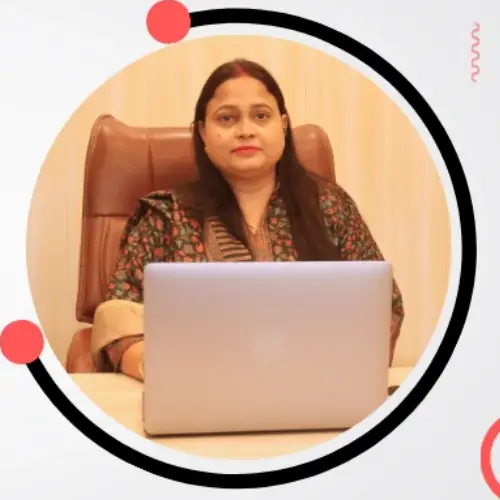
Sapna Kumari is the founder of Sanskriti Fancy Dresses (Since 2018) and a dance teacher who has been closely associated with school cultural programs and stage performances.
Through her work with schools, teachers and parents, she has gained practical experience in planning costumes for annual functions, folk dance performances and fancy dress competitions.
She writes about school costume planning, folk dance dresses and cultural event preparation to help teachers and parents organize stage performances smoothly.
Sapna Kumari has been actively working in the field of school event costumes and cultural performances.
Her experience includes:
costume planning for school annual functions
folk dance costumes for stage performances
fancy dress competition preparation
bulk costume coordination for school events
Through Sanskriti Fancy Dresses, she works closely with teachers, dance instructors and event coordinators to help them arrange costumes efficiently for school programs.