Puducherry Folk Dance Dress looks lively the moment you see it. Dances like Garadi, Kolkali, and Kavadi Attam are full of energy, and the costumes match that energy. The clothes are bright, structured, and made to move with strong drum beats.
Most folk dances in Puducherry happen during temple festivals, village functions, and cultural programs. The dressing is done to match loud drums, fast footwork, and long performances. That is why the costumes are not simple daily clothes. They are put together carefully so the dancer can move freely and still look powerful on stage.
Puducherry also has a unique background. Along with Tamil folk tradition, there is a sense of organised stage presentation that came over time. So the costumes look more structured and colourful compared to many village folk dances.
About Puducherry Folk Dance Dress – Culture, Background, and Meaning
traditional Folk dance dress in Puducherry comes straight from temple grounds and village streets. Earlier, people danced in open spaces with live drums. The dress had to handle heat, dust, and long hours of dancing.
Over time, these dances started being performed on stages, but the basic dressing style stayed the same. Only colours became brighter and fittings became tighter.
What shapes Puducherry folk dance dress:
- Strong Tamil folk and temple culture
- Mythological stories, especially in Garadi
- Devotional practices, like Kavadi Attam
- A more organised stage look, compared to many village dances
The costume is not for decoration. It helps show rhythm, devotion, and strength.
Cultural Roots of Puducherry Folk Dance Dress
Puducherry folk dance costumes are deeply connected to religion and community life. Garadi is linked to the Ramayana, showing the victory of Lord Rama’s army. Kavadi Attam is a form of devotion to Lord Murugan. Kolkali comes from village celebration and group rhythm.
Because these dances were performed in public spaces:
- Costumes had to be visible from far away
- Colours had to be strong and clear
- Clothes had to allow non-stop movement
That is why Puducherry folk dance dress looks bold, rhythmic, and purposeful.
Fabrics Used in Puducherry Folk Dance Costumes
In Puducherry folk dances, fabric is chosen only after thinking about movement and weather. These dances are tiring. Wrong fabric can ruin the performance.
Cotton is used for dhotis, mundu, and base garments because it keeps the body cool.
Cotton-blend or satin-blend fabric is used for Garadi shirts and waistcloths so colours stay bright on stage.
Stronger cloth is used around the waist and ankles to hold ghungroo and accessories safely.
Pure silk is avoided. It becomes heavy and slippery once the dancer starts sweating. The fabric must survive jumping, stamping, and long performances without causing discomfort.
Types of Folk Dances in Puducherry and Their Costumes
Puducherry does not have a long list of folk dances like some big states, but the few dances it has are very strong in identity. These dances are mostly seen during temple festivals, village celebrations, and cultural programs, and each one has a very clear purpose and style.
The folk dances of Puducherry can be understood in three main types:
- Garadi Folk Dance
- Kolkali Folk Dance
- Kavadi Attam Folk Dance
Garadi Folk Dance and Costume
Garadi is a powerful male folk dance connected to stories from the Ramayana, the victory of the Vanar Sena. The costume is bold and made to create visual and sound impact.
The Garadi costume includes:
- Headgear: Tall, cylindrical caps or turbans decorated with colourful ribbons, tinsel, and sometimes peacock feathers. The height adds drama to the dance.
- Shirt: Bright full-sleeve shirts, usually red, yellow, or blue. Borders may have shimmer or simple decoration so the dancer stands out from a distance.
- Lower Wear: Short dhoti or knicker-style bottom, worn with a colourful waistcloth tied on top. The waistcloth spreads out while spinning.
- Ankle Bells (Ghungroo): Heavy ghungroo tied tightly around both ankles. This is the most important part of the costume. The sound of the bells must match the drum rhythm.
- Body Paint (Traditional use): In some performances, face or body paint is used to resemble the Vanar characters.
Garadi costume must be strong, secure, and well-fitted. Loose tying can disturb both movement and sound.
Kolkali Folk Dance and Costume
Kolkali is a group folk dance where dancers move in a circle and strike wooden sticks in rhythm. Because the steps are quick and continuous, the costume has to stay light and secure. Anything loose or heavy can disturb the timing.
Dancers usually wear a white mundu or dhoti. It is tied firmly so it does not slip while moving. Most mundus have a simple coloured border, which adds a bit of contrast when the group turns together.
On the upper body, dancers are either bare-chested or wear a simple white vest. This keeps the body free and comfortable, especially during long performances in warm weather.
A bright waistcloth, often red or green, is tied tightly around the waist. It adds colour and also helps hold the mundu in place. The wooden sticks (kols) used in the dance are smooth and evenly sized. They are not just props; they are part of how the dance looks.
The Kolkali costume is kept simple on purpose. When the dress is light, the rhythm stays sharp and the movements stay clean.
Kavadi Attam Folk Dance and Costume
Kavadi Attam is a devotional folk dance dedicated to Lord Murugan. It is performed during temple festivals and processions. The costume here is not decorative. It shows devotion and discipline.
Dancers usually wear a yellow or saffron dhoti, colours linked with prayer and sacrifice. The upper body is mostly bare, though some dancers drape a simple cloth over one shoulder.
Sacred ash (Vibhuti) is applied on the forehead, chest, and arms. Rudraksha or bead necklaces are worn as part of the ritual. The most important part of the costume is the Kavadi, a decorated structure carried on the shoulders. Though it is a prop, it defines the entire appearance of the dancer.
Fabrics Used in Puducherry Folk Dance Costumes
Fabric choice in Puducherry folk dance costumes is based on heat, movement, and performance duration. These dances are energetic and often done outdoors, so the fabric must stay comfortable.
For most base clothing like dhoti, mundu, and simple shirts, cotton is used. It keeps the body cool and absorbs sweat during long performances.
In Garadi dance, where the costume needs to stand out on stage, cotton-blend or satin-blend fabrics are used for shirts and waistcloths. These fabrics hold bright colours better and give a slight shine without becoming heavy.
For Kavadi Attam, plain cotton is preferred. The focus is on devotion, so heavy or shiny fabric is avoided.
Puducherry Folk Dance Dress for Men
Most folk dances in Puducherry are male-dominated, especially Garadi and Kolkali. The costumes are designed to look strong and rhythmic.
In Garadi, men wear bright shirts, short dhoti or knicker-style bottoms, waist sashes, headgear, and heavy ankle bells. Everything is tied tightly so nothing moves out of place during stamping.
In Kolkali, men wear white mundu with coloured border, a simple vest or bare upper body, and a bright waistcloth. The look stays clean and traditional.
In Kavadi Attam, men wear saffron or yellow dhoti, apply sacred ash, and carry the Kavadi structure.
Puducherry Folk Dance Dress for Women
Women’s participation in Puducherry folk dances is more limited compared to men, but when women perform, the dressing stays traditional and simple.
In community performances or cultural programs:
- Women wear sarees or long skirts with blouse
- Colours are bright but not heavy with decoration
- Jewellery is minimal
Women are more commonly seen in supporting or group roles rather than leading Garadi-style performances.
Colours, Patterns of Puducherry Folk Dance Costumes
Puducherry folk dance costumes use strong, clear colours so the dancers are visible from a distance.
Common colours include:
- Red, yellow, blue in Garadi
- White with red or green borders in Kolkali
- Yellow and saffron in Kavadi Attam
Patterns are simple. Heavy embroidery is rare. Decoration is used only where it supports the performance, like headgear or waist sashes.
When and Where Puducherry Folk Dance Dress Is Commonly Used
Puducherry folk dance costumes are mainly worn during religious and community events. These dances were never casual performances. They are connected to festivals and group celebrations.
You will usually see these costumes at:
Temple festivals, especially for Garadi and Kavadi Attam
- Village celebrations and local fairs
- Government cultural programs
- School and college cultural events
- Folk dance festivals and stage shows
In temple settings, the costumes stay closer to traditional form. On stage, colours may look brighter and fittings tighter for clean movement.
Puducherry Folk Dance Dress for Kids and School Programs
For school programs, folk dance costumes need to be lighter and safer, especially because Garadi and Kolkali involve fast movement.
How costumes are adjusted for children:
- Garadi costumes use fewer ankle bells to reduce weight
- Headgear is made shorter and lighter
- Waistcloths are stitched or pinned properly
- In Kolkali, sticks are lighter and shorter
- Jewellery is avoided
Schools often choose simplified Garadi or Kolkali because they are energetic and look good in group performances.
Common Mistakes to Avoid While Choosing Puducherry Folk Dance Costumes
Some mistakes can make the dance look incorrect or unsafe.
Avoid these common issues:
- Using heavy or slippery fabric
- Tying ghungroo loosely
- Oversized headgear that slips
- Adding unnecessary jewellery
- Mixing Kavadi, Garadi, and Kolkali costume elements
Correct dressing makes the performance smoother and safer.
Frequently Asked Questions
Q. Which is the most popular folk dance of Puducherry?
A. Garadi is the most recognised folk dance of Puducherry.
Q. What makes Garadi costume special?
A. The ankle bells, tall headgear, and bright colours make the Garadi costume unique.
Q. Can Kavadi Attam be performed in a stage program?
A. Yes, but it should be done respectfully and in simplified form.
Q. Are women part of Garadi dance?
A. Traditionally, Garadi is performed by men.
Q. Is Kolkali suitable for school children?
A. Yes. Kolkali works well for schools with lighter sticks and simple dress.
Q. What fabric is best for Puducherry folk dance costumes?
A. Cotton and cotton-blend fabrics work best for comfort and movement.
Q. Do dancers perform barefoot in Puducherry Folk dance?
A. Yes. Most Puducherry folk dances are performed barefoot.
Q. How early should costumes be arranged for a group performance?
A. Around 10 days is usually enough.
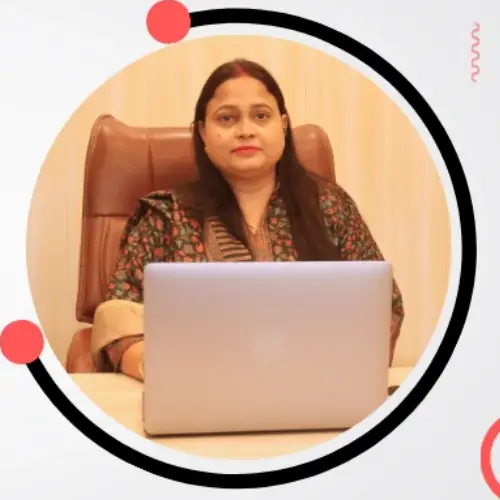
Sapna Kumari is the founder of Sanskriti Fancy Dresses (Since 2018) and a dance teacher who has been closely associated with school cultural programs and stage performances.
Through her work with schools, teachers and parents, she has gained practical experience in planning costumes for annual functions, folk dance performances and fancy dress competitions.
She writes about school costume planning, folk dance dresses and cultural event preparation to help teachers and parents organize stage performances smoothly.
Sapna Kumari has been actively working in the field of school event costumes and cultural performances.
Her experience includes:
costume planning for school annual functions
folk dance costumes for stage performances
fancy dress competition preparation
bulk costume coordination for school events
Through Sanskriti Fancy Dresses, she works closely with teachers, dance instructors and event coordinators to help them arrange costumes efficiently for school programs.