Dhamal folk dance dress cannot be explained with one look. The name “Dhamal” is used for two very different dances in India, and their costumes have nothing in common. If this is not understood clearly, the dress almost always gets mixed up on stage or in school programs.
One Dhamal comes from Haryana. It is a strong harvest dance performed by men, full of jumps, squats, and loud rhythm. The other comes from Gujarat, performed by the Siddi community, and is deeply spiritual, intense, and trance-like.
Both are called Dhamal, but the body moves differently, the purpose is different, and the costume follows that difference completely. This blog explains both, starting from movement and costume, not from names.
What Is Dhamal Folk Dance and Why It Has Two Identities
Dhamal is not one single tradition. The word is shared, but the roots are separate.
Haryanvi Dhamal is a harvest dance. It is performed during Phalgun nights after crops are gathered. The movement is athletic and loud. Costumes are built to handle jumping and strong footwork.
Siddi Dhamal is a spiritual dance from Gujarat. It is performed as part of devotion to Baba Ghor. The movement is intense, repetitive, and trance-driven. The costume supports ritual, not display.
Because the purpose of the dance is different, the costume is different. One is about celebration and strength. The other is about spiritual energy.
Difference Between Haryanvi Dhamal and Siddi Dhamal
The easiest way to tell the two apart is by looking at the body and clothing together.
In Haryanvi Dhamal:
- Dancers wear kurta, dhoti, and pagri
- Movement involves jumps, squats, and sharp pulses
- Props like the daph are used for rhythm
In Siddi Dhamal:
- Dancers often perform bare-chested with waist adornments
- Movement is repetitive and trance-like
- Face paint and bead jewellery are essential
Mixing these two styles breaks the identity of both dances.
Why Dhamal Dance Costume Is Designed for High Energy and Rhythm
In both forms of Dhamal, the costume is built around rhythm.
In Haryanvi Dhamal, the dress must survive physical strain. Loose or heavy clothing would restrict movement. The dhoti is tied short, and the kurta stays close to the body.
In Siddi Dhamal, the costume helps the dancer enter a trance. Bare skin, beads, feathers, and paint all play a role in building intensity.
In both cases, the costume is not decorative. It exists to support what the body is doing.
What Is Haryanvi Dhamal and When It Is Performed
Haryanvi Dhamal is a traditional harvest dance from Haryana, mainly performed by the Ahir community. You’ll see it during the month of Phalgun, often on open grounds under moonlight.
This dance is energetic. Dancers jump, squat, clap, and move in strong pulses. Because of this, the costume cannot be loose or heavy. It has to allow the body to move freely without slipping or tearing.
The dress reflects farming life. Simple, sturdy, and worn with pride.
What Does Haryanvi Dhamal Costume Look Like During Performance
On stage or in a village setting, Haryanvi Dhamal costume looks bold and clean.
The kurta moves with the upper body. The dhoti is tied short so the legs are free. The pagri adds height and presence when dancers move in groups.
You don’t see flowing fabric here. Everything stays close to the body so jumps and squats look sharp.
When dancers carry the daph, the costume frames the rhythm rather than distracting from it.
Types of Costume Used in Haryanvi Dhamal
Haryanvi Dhamal uses a single, clear costume style, but it can vary slightly based on setting.
- Village performances use simple cotton kurta and dhoti
- Stage performances use brighter colours and cleaner stitching
- Cultural programs may add light decoration to pagri or daph
The base structure never changes. Kurta, dhoti, pagri, and daph stay essential.
Haryanvi Dhamal Folk Dance Costume for Men
Below is a clear breakdown of the men’s Haryanvi Dhamal costume and why each part matters:
| Costume Part | What Is Worn | Why It Is Important |
|---|---|---|
| Kurta / Kamiz | Knee-length shirt in bright colours | Allows free upper-body movement |
| Dhoti | White cotton dhoti, tied short | Supports jumping and squatting |
| Pagri (Turban) | Large Haryanvi-style turban | Symbol of pride and visibility |
| Daph | Large tambourine with frills | Main rhythm source and prop |
| Fabric | Cotton | Breathable and strong for long dancing |
| Footwear | Barefoot or minimal | Better grip and balance |
Fabric Used in Haryanvi Dhamal Costume and Movement Comfort
Cotton is the main fabric used in Haryanvi Dhamal. It absorbs sweat, allows airflow, and doesn’t cling during movement.
Heavy or shiny fabric is avoided. It restricts movement and looks stiff during jumps.
Pagri (Turban) Style and Its Importance in Haryanvi Dhamal
The pagri is more than headwear. It represents honour and identity.
It is tied large and firm so it doesn’t shift during movement. Some pagris have small mirrors or tassels, but decoration is kept controlled.
The Daph (Tambourine) as Costume Prop and Rhythm Tool
The daph is central to Haryanvi Dhamal. Many dancers carry it while performing.
It provides rhythm and also shapes movement. Steps often follow the beat of the daph.
Because of this, the costume must allow the arms to move freely and hold the instrument comfortably.
What Is Siddi Dhamal and Its Spiritual Meaning
Siddi Dhamal is performed by the Siddi community in Gujarat. It is a spiritual dance, not a harvest or festive one.
The dance is performed in devotion to Baba Ghor, and the movement is intense, repetitive, and trance-like. Dancers move in circles, jump, stamp, and repeat rhythms until they reach a heightened spiritual state.
Because of this purpose, the costume is not decorative. It is ritual-based and symbolic. Every element supports the mental and physical intensity of the dance.
What Does Siddi Dhamal Costume Look Like During Ritual Performance
When Siddi Dhamal begins, the costume looks raw and powerful. There is very little layering or coverage.
Most dancers perform bare-chested or with simple cloth draped across the shoulder or chest. The focus stays on the body and movement.
Around the waist, dancers wear skirts or belts made from natural materials. The costume moves with force, not softness.
This look is very different from stage folk dances. It is not meant to please the eye but to support ritual energy.
Types of Costume Used in Siddi Dhamal
Siddi Dhamal costume uses a small number of strong elements rather than full clothing sets.
Common elements include:
- Waist adornments made of feathers or cloth
- Indigo-dyed sashes worn across the body
- Bead jewellery around the neck and arms
There is no kurta, dhoti, or turban here. Clothing stays minimal so movement remains unrestricted.
What Is Included in a Complete Siddi Dhamal Dance Dress
A complete Siddi Dhamal dress focuses on the waist, chest, and face.
It usually includes:
- Peacock feather skirt or belt tied around the waist
- Indigo fabric sashes, sometimes crossing the chest
- Bead necklaces, often multiple layers
- Face paint, traditionally white or ash-based
Footwear is not used. The dancer connects directly with the ground.
Siddi Dhamal Folk Dance Costume for Men
Below is a simple breakdown of the men’s Siddi Dhamal costume:
| Costume Part | What Is Worn | Why It Is Important |
|---|---|---|
| Waist Skirt | Peacock feather skirt or belt | Represents nature and tribal identity |
| Upper Body | Bare chest or indigo cloth sash | Allows free, intense movement |
| Face Paint | White or coloured patterns | Helps induce trance and ritual focus |
| Jewellery | Heavy bead necklaces | Traditional tribal symbolism |
| Fabric | Natural fibres, hand-dyed cloth | Keeps the look raw and grounded |
| Footwear | None | Direct connection with earth |
Face Paint and Trance Identity in Siddi Dhamal
Face paint is essential in Siddi Dhamal. It is not decoration. The paint marks a shift from daily life to ritual space. Patterns are bold and symbolic.
As the dance builds, the paint helps the dancer disconnect from the outside world and focus inward.
This element should never be removed or replaced with makeup in traditional performances.
Bead Jewellery and Tribal Accessories in Siddi Dhamal Costume
Bead jewellery is worn in layers. The weight and sound add to the experience.
Wooden and glass beads are common. They move with the body and add texture to the dance.
These accessories come from both African and Indian tribal traditions. They are worn for meaning, not style.
Dhamal Folk Dance Dress for Kids and School Performances
For schools, Dhamal needs careful adaptation. Most schools perform Haryanvi Dhamal, not Siddi Dhamal, because it is easier to adapt safely.
For kids Haryanvi Dhamal:
- Light cotton kurta and stitched dhoti are used
- Turbans are smaller and firmly tied
- Daph is made lighter or symbolic
Siddi Dhamal is rarely done by children. If shown, it is explained rather than fully performed, with simplified costume elements.
Common Mistakes While Choosing Dhamal Folk Dance Costume
The most common mistake is mixing the two Dhamals.
Other frequent mistakes include:
- Using Phag or Bhangra costumes for Dhamal
- Dressing Siddi Dhamal like a stage folk dance
- Using heavy or shiny fabric for jumping movements
- Ignoring the role of the daph in Haryanvi Dhamal
If the movement and costume don’t match, the dance loses its identity.
Frequently Asked Questions
Q. Dhamal folk dance dress belongs to which state?
A. Dhamal is performed in more than one region. Haryanvi Dhamal comes from Haryana, while Siddi Dhamal belongs to Gujarat.
Q. Why are there two very different Dhamal costumes?
A. Because they come from different communities and purposes. Haryanvi Dhamal is a harvest dance, while Siddi Dhamal is a spiritual ritual dance.
Q. What do men wear in Haryanvi Dhamal dance?
A. Men wear a kurta or kamiz, a dhoti tied short, a large pagri, and often carry a daph for rhythm.
Q. What is the role of the daph in Haryanvi Dhamal costume?
A. The daph is both a prop and an instrument. It sets the rhythm and shapes how the dancer moves.
Q. What do dancers wear in Siddi Dhamal?
A. Dancers usually perform bare-chested or with simple cloth sashes, wear bead jewellery, peacock-feather waist skirts, and apply face paint.
Q. Is Siddi Dhamal suitable for school performances?
A. Not usually. It is a ritual dance. Schools generally perform Haryanvi Dhamal and explain Siddi Dhamal through visuals or narration.
Q. What fabric is best for Haryanvi Dhamal costume?
A. Cotton works best. It allows jumping and squatting and stays comfortable during long performances.
Q. What is the most common mistake with Dhamal costumes?
A. Mixing Haryanvi and Siddi styles. Once that happens, the dance loses its identity.
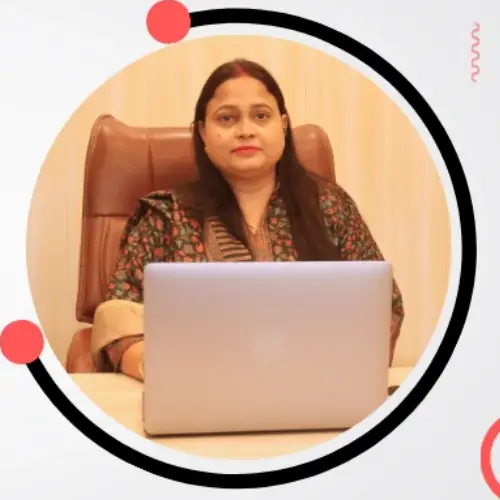
Sapna Kumari is the founder of Sanskriti Fancy Dresses (Since 2018) and a dance teacher who has been closely associated with school cultural programs and stage performances.
Through her work with schools, teachers and parents, she has gained practical experience in planning costumes for annual functions, folk dance performances and fancy dress competitions.
She writes about school costume planning, folk dance dresses and cultural event preparation to help teachers and parents organize stage performances smoothly.
Sapna Kumari has been actively working in the field of school event costumes and cultural performances.
Her experience includes:
costume planning for school annual functions
folk dance costumes for stage performances
fancy dress competition preparation
bulk costume coordination for school events
Through Sanskriti Fancy Dresses, she works closely with teachers, dance instructors and event coordinators to help them arrange costumes efficiently for school programs.