Dekhni folk dance dress looks rich, but it is never stiff. The saree shines, the jewellery is heavy, and the ghungroos are loud, yet the dancer still moves like she’s travelling, not standing still. That balance is the key to understanding this costume.
This dance is built around movement across space stepping, gliding, and turning as if crossing a river to reach a wedding or a temple. Because of that, the dress has to look regal but still allow long footwork and rhythm.
Dekhni is performed mostly in Goa and nearby Konkan areas. Whether it’s a temple offering or a stage performance, the costume always keeps the same feeling, graceful, devotional, and ready to move.
What Does the Dekhni Folk Dance Dress Look Like on Stage
When performer comes in Dekhni costume on stage, it feels rich but calm. Nothing is rushed or loose. The saree shines softly, the jewellery sits heavy but steady, and the dancer looks composed from the first step.
The dress doesn’t flare or fly around. It moves slowly with the body. When the dancer walks or turns, the pleats stay in place and the ghungroos are heard clearly.
You notice balance more than decoration. Every part of the costume looks controlled, as if it knows the dancer is going to keep moving for a long time.
What is Dekhni Folk Dance and Where Is It Performed
Dekhni is a traditional dance from Goa, mostly connected to temple spaces and older performance traditions. It carries both folk and semi-classical influence.
The dance is often performed solo or in small groups. Movements are graceful and measured, not fast or sharp.
Because of this style, the costume cannot be casual. It has to hold posture, support rhythm, and look dignified throughout the performance.
Dekhni is less about crowd energy and more about steady presence, and the dress reflects that.
The Journey Theme in Dekhni and How Costume Reflects It
Dekhni is often described as a dance of travel. The dancer is shown moving across water or land to perform at an important occasion.
That idea shapes the costume. The saree is elegant but practical. The drape flows without trailing. Jewellery is rich but stays close to the body.
Even the ghungroos play a role. Their sound marks each step, like a steady journey rather than sudden bursts.
What is Included in Dekhni Folk Dance Dress
A complete Dekhni folk dance dress includes elements that balance beauty and movement.
Usually, the costume consists of:
- A Nauvari or silk saree in rich, solid colours
- A fitted choli, sometimes with puffed sleeves
- Gold or gold-finish jewellery like nath, galla-sari, and long necklaces
- Ghungroos tied firmly at the ankles
- Hair tied in a neat bun with a heavy gajra
- Pantees (oil lamps) in some performances
Each part has a role. Nothing is added just for decoration.
Nauvari and Silk Sarees Used in Dekhni Folk Dance
In Dekhni, saree choice depends on the setting and tradition being followed. Many dancers wear a 9-yard Nauvari, while others use a rich 6-yard silk saree.
The Nauvari gives more freedom to the legs and suits longer footwork. Silk sarees are chosen for stage performances where visual richness matters.
What stays common in both styles is control. The saree is never loose or trailing. It has to move with the dancer, not behind her.
The saree should feel grand but manageable, like something worn with confidence, not caution.
Colours Preferred in Dekhni Dance Dress and Their Visual Impact
Dekhni saree colours are bold and confident. You’ll often see marigold orange, deep green, royal red, or wine shades.
These colours stand out under lamps and stage lights. They also work well with gold jewellery and flowers.
Pastel or dull shades are usually avoided. Dekhni is not meant to fade into the background.
The colour choice supports presence. When the dancer enters, the costume should immediately hold attention without looking excessive.
Fabric Used in Dekhni Saree and Movement Comfort
Fabric in Dekhni has to balance weight and flow. Too light looks flat. Too heavy restricts movement.
Silk and silk-blend sarees are commonly used for stage because they hold structure and reflect light well. For longer performances, lighter silk or cotton-silk blends work better.
The fabric should not cling when the dancer sweats. It should fall back into shape after movement.
Comfort shows in performance. If the fabric fights the body, it becomes visible.
Blouse (Choli) Style Worn in Dekhni Folk Dance
The blouse in Dekhni is not casual. It has a clear shape and presence because the upper body does a lot of expressive work.
Most dancers wear a fitted choli that sits close to the torso. The blouse should not ride up or twist during movement. Necklines are neat, not deep.
Colour can match the saree or contrast slightly, but it should stay within the same richness. Loud clashes don’t suit Dekhni.
The blouse helps frame the jewellery and posture. If it fits well, the dancer looks composed even in long performances.
Puffed Sleeves and Embroidery Details in Dekhni Costume
Puffed sleeves are common in Dekhni blouses. They give a slightly old-world, temple-dancer feel without restricting movement.
The puff adds volume at the shoulder, which balances the heavy saree and jewellery. It also makes arm movements more visible from a distance.
Embroidery, if used, is kept controlled. Borders, small motifs, or traditional patterns work better than dense work.
The blouse should look rich, but it should not become the main focus. Dekhni costume works when every part supports the whole look.
Jewellery Worn in Dekhni Dance and Kolvont Identity
Jewellery in Dekhni is ornate and deliberate. It reflects the status of Kolvonts, the traditional dancers.
Common pieces include a nath, a galla-sari choker, and one or two long necklaces. All are usually gold or gold-finish.
The jewellery sits close to the body. Nothing should swing wildly during movement.
This jewellery adds dignity and weight to the costume. It signals that the dancer is performing something special, not casual entertainment.
Ghungroos Used in Dekhni Dance and Rhythmic Role
Ghungroos are essential in Dekhni. The dance has semi-classical roots, and rhythm is carried through footwork.
Heavy brass ghungroos are tied firmly around the ankles. They should sit snug, not loose.
The sound of the bells marks each step clearly. It works with the music, not against it.
If ghungroos are too light, the rhythm feels flat. If too heavy, movement becomes stiff. Balance matters.
Hair Styling and Flower Decoration in Dekhni Costume
Hair in Dekhni is always neat and controlled. A tight bun is the standard.
Into this bun, a thick gajra or veni of jasmine or aboli flowers is pinned. The flowers add softness to the rich costume.
As the dancer moves, the fragrance spreads gently. This detail comes from temple traditions.
Loose hair or light decoration does not suit Dekhni. The look should feel complete and composed from all angles.
How Light, Costume, and Movement Work Together in Dekhni
Dekhni costume reacts beautifully to light. Silk sarees reflect a soft shine, and gold jewellery catches highlights without flashing.
When lamps are used, the flickering light creates a halo effect around the dancer. This works only if the costume colours are rich and solid.
Movement in Dekhni is controlled, not fast. That allows light to sit on the costume instead of breaking away.
Everything works together here. The costume does not overpower the dance, and the dance does not rush the costume.
Common Mistakes While Choosing Dekhni Folk Dance Dress
The biggest mistake is overdoing the costume. Too much jewellery, very heavy sarees, or flashy colours disturb the balance.
Another common issue is poor draping. If the saree is loose, footwork suffers.
Using light ghungroos or skipping them altogether also weakens the rhythm.
Dekhni works best when the costume looks rich but feels controlled.
Frequently Asked Questions
Q. Dekhni folk dance dress belongs to which region?
A. Dekhni comes from Goa, mainly linked to older temple and folk performance traditions in the Konkan region.
Q. What kind of saree is worn in Dekhni folk dance?
A. Dancers usually wear a Nauvari saree or a rich silk saree. The key thing is the drape, not whether it’s 9-yard or 6-yard.
Q. Why does the Dekhni costume look so rich compared to other folk dances?
A. Because Dekhni comes from a temple and court-style background. The jewellery, silk saree, and flowers all show dignity and status, not everyday wear.
Q. Are ghungroos compulsory in Dekhni dance?
A. Yes, ghungroos are very important. Dekhni has strong rhythmic footwork, and the sound of the bells carries the tala of the dance.
Q. What jewellery is normally worn in Dekhni costume?
A. Gold or gold-finish jewellery like a nath, galla-sari choker, and long necklaces. Jewellery is heavy but worn close to the body.
Q. Why do some Dekhni dancers carry oil lamps?
A. The lamps, called pantees, come from temple traditions. They add a devotional feel and change how slowly and carefully the dancer moves.
Q. Can Dekhni folk dance dress be used for school performances?
A. Yes, but with adjustments. Schools usually use lighter sarees, fewer jewellery pieces, and skip real oil lamps for safety.
Q. What is the most common mistake people make with Dekhni costume?
A. Overdoing it. Too much jewellery, very heavy sarees, or poor draping ruins both movement and balance.
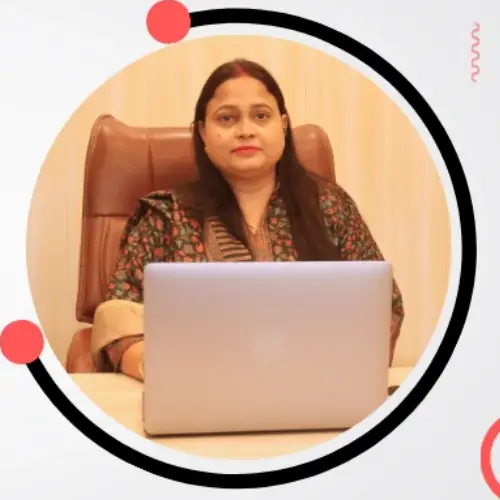
Sapna Kumari is the founder of Sanskriti Fancy Dresses (Since 2018) and a dance teacher who has been closely associated with school cultural programs and stage performances.
Through her work with schools, teachers and parents, she has gained practical experience in planning costumes for annual functions, folk dance performances and fancy dress competitions.
She writes about school costume planning, folk dance dresses and cultural event preparation to help teachers and parents organize stage performances smoothly.
Sapna Kumari has been actively working in the field of school event costumes and cultural performances.
Her experience includes:
costume planning for school annual functions
folk dance costumes for stage performances
fancy dress competition preparation
bulk costume coordination for school events
Through Sanskriti Fancy Dresses, she works closely with teachers, dance instructors and event coordinators to help them arrange costumes efficiently for school programs.