Matki folk dance dress is graceful, colourful, and closely linked to balance. The moment someone sees a dancer with an earthen pot placed steadily on her head, they recognise this dance. The costume is not heavy or dramatic, but it is carefully planned so the dancer can move smoothly without disturbing the pot.
This dance belongs to wedding and festival celebrations, so the clothes look festive and bright. At the same time, they are practical. The skirt must move freely, the blouse must hold the body steady, and the head scarf must support the pot properly. If any part of the costume is loose or uncomfortable, the dance becomes difficult.
What Is Matki Folk Dance and Where Is It Performed
Matki is a folk dance from the Malwa region of Madhya Pradesh. It is mostly performed by women during weddings and festive gatherings. The dance is calm and graceful, with a lot of circular movement.
What makes Matki special is the earthen pot placed on the dancer’s head. The dancer does not hold it with her hands. She balances it through posture and steady movement. The steps are slow, and the body stays controlled so the pot does not shift.
Men usually stand around the dancer and play the drum. They guide the rhythm but do not perform the main dance. Today, Matki is also performed on school stages and cultural programs, where lighter pots and simpler costumes are used so performers can manage comfortably.
Why Costume Is Important in Matki Folk Dance
In Matki dance, the costume is not just for looks. It directly affects balance.
The skirt must allow turning without pulling the body off balance. The blouse should fit well so the dancer does not feel loose while moving. The head scarf creates a soft base so the pot does not slip during turns.
Jewellery also has a role:
- Waist chains help keep the body centred
- Bangles add rhythm to arm movement
- Head jewellery keeps the look balanced
If the costume is loose or heavy, balancing the pot becomes difficult. That is why Matki folk dance dress needs to be chosen and worn carefully.
Core Look and Movement Style of Matki Dance Costume
Matki dance costume is designed to support calm movement and steady balance. The wide skirt helps show smooth turning movements. The fitted blouse keeps the upper body firm so the dancer does not lose control while balancing the pot.
The head scarf plays a very important role. It is arranged in a way that creates a soft base for the pot to rest on. Without this, balancing becomes difficult. Jewellery like waist chains and bangles add beauty and also help keep the body centred.
The overall look is festive but controlled. Nothing in the costume should pull, slip, or feel heavy. When the costume is worn correctly, the dancer can focus fully on movement and balance.
What Is Included in a Complete Matki Folk Dance Dress
A complete Matki folk dance dress has a few essential parts. Each part supports balance or movement.
For women, the costume includes:
- Lehenga with good flare for turning
- Well-fitted choli to keep posture steady
- Long odhni to cover the head
- Waist chain to support body control
- Bangles for rhythm and movement
- Earthen Matki placed on the head
For men, the dress is simpler:
- Dhoti tied firmly
- Kurta or waistcoat
- Safu turban
- Drum for rhythm support
Nothing in the costume is extra. Every piece has a purpose.
Matki (Earthen Pot) and How It Is Balanced Safely
Matki is the most important part of the dance. It is placed on the head without using the hands.
The odhni is folded or twisted slightly to create a soft base. This helps the pot stay steady. The dancer keeps her neck straight and shoulders relaxed. Balance comes from posture, not force.
For children and stage programs:
- Lightweight pots are used
- Plastic or fibre pots are painted like clay
- Sometimes empty pots are used for practice
Safety always comes before tradition when it comes to kids.
Fabric Used in Matki Dance Costume and Comfort
Matki dance requires comfort because the dancer has to stay steady for a long time.
Cotton and light silk are preferred because they:
- Allow easy movement
- Do not make the dancer feel heavy
- Stay comfortable under lights
Very heavy fabric or slippery material can disturb balance. The odhni should be soft but firm enough to stay in place.
Matki Folk Dance Dress for Women
Women are the main performers in Matki dance, so their costume carries the most importance. Everything they wear supports balance, grace, and smooth movement.
They wear a flared lehenga choli. The skirt is ankle length and wide enough to show circular movement when they turn. The choli fits well so the upper body stays firm and controlled while balancing the pot.
The odhni is placed carefully over the head. It is not loose. It is folded or slightly twisted so the Matki can sit properly. Jewellery is festive but purposeful. A kamarbandh helps keep the waist steady, and bangles add soft sound when the arms move.
Matki Folk Dance Dress for Men
Men do not perform the main dance in Matki, but they are very important to the performance. They create the rhythm and energy.
They wear a dhoti tied firmly so it stays in place while standing or moving around the dancer. On top, they wear a kurta or sometimes a colourful waistcoat. The colours are chosen to match the women’s costume, but the style stays simple.
A Malwi Safu turban is tied neatly on the head. Men usually stand in a circle and play the drum. Their simple dress keeps all attention on the woman balancing the pot.
Matki Folk Dance Dress for Girls
Girls wear a lighter version of the women’s costume. The design is the same, but everything is simplified.
The lehenga is made with lighter fabric so it does not pull the body while turning. The odhni is tied more securely so it does not slip. Jewellery is reduced in weight.
Instead of a heavy earthen pot, girls often use a lighter pot or a practice Matki. This helps them learn balance slowly and safely.
Matki Folk Dance Dress for Boys
Boys do not perform the main Matki dance, but they take part as supporting performers. They may play drums or stand with the musicians during the performance.
Their costume is simple and comfortable. Boys wear a dhoti or trousers with a shirt or kurta. Some also wear a small turban to match the regional style. The colours are chosen to match the main dancer’s costume, but the design stays simple.
The focus for boys is movement and rhythm, not balancing. Their dress allows them to move freely and support the performance without drawing attention away from the dancer.
Matki Folk Dance Dress for Kids and School Performances
For school and children’s performances, Matki costumes are always adjusted. The aim is to help children perform confidently without strain.
Girls wear lighter lehenga choli sets, and the skirts are not too wide. The head scarf is tied securely. Instead of real earthen pots, children use plastic or fibre pots painted to look traditional. These pots are much lighter and safer.
Jewellery is kept minimal. Comfort and safety matter more than heavy decoration. When children feel comfortable, their movement looks more graceful on stage.
Jewellery and Accessories Used in Matki Folk Dance Dress
Jewellery in Matki dance is meant to look festive and also support the dancer’s movement. Since Matki is often performed during weddings, the jewellery is more detailed and eye-catching.
Women usually wear:
- Maang tikka on the forehead
- Kamarbandh to support the waist and posture
- Bangles that create a soft sound with arm movement
- Earrings that balance the overall look
The jewellery should feel secure and not too heavy. If it moves too much, it can distract the dancer while balancing the pot.
Men keep accessories minimal. A simple necklace or waist sash is enough. Their role is to support the rhythm, not draw attention.
Difference Between Daily Traditional Wear and Matki Dance Costume
Daily traditional clothes are worn for comfort and regular work. Matki dance costume is worn only for performance, and it is planned very carefully.
In Matki dance, the skirt is wider so the turning movements look clear. The blouse fits firmly so the upper body stays steady. The head scarf is tied tightly because it helps hold the pot in place. Jewellery is heavier and more visible because the dance is part of a celebration.
In daily wear, none of these things matter. Comfort comes first. In Matki dance, balance and movement come first, and the costume supports that.
Difference Between Wedding Matki Costume and Stage or Competition Costume
At weddings, Matki costumes are richer and heavier. Real earthen pots, heavy jewellery, and rich fabric are often used because the focus is on tradition.
For stage and school programs:
- Pots are lighter
- Fabric weight is reduced
- Jewellery is imitation
- Costumes are stitched more securely
These changes make it easier to perform under stage lights and limited space.
Common Mistakes While Choosing Matki Folk Dance Dress
Some small mistakes can affect the performance.
Common issues include:
- Slippery fabric that affects balance
- Loose odhni that lets the pot shift
- Heavy skirts that pull the body off centre
- Giving children real earthen pots too early
Avoiding these makes a big difference in how the dance looks.
Frequently Asked Questions
Q. Why do dancers keep a pot on the head in Matki dance?
A. Because that’s the whole point of the dance. Matki is about balance. Without the pot, it’s just steps, not Matki.
Q. Does the dancer ever touch the pot while dancing?
A. No. Hands are never used. The balance comes from posture and practice, not holding the pot.
Q. What kind of pot is normally used?
A. Traditionally, it’s an earthen water pot. On stage or in schools, lighter pots are used so it’s easier to manage.
Q. Is Matki hard to learn for beginners?
A. It takes time, but beginners start with lighter pots. Once posture improves, balancing becomes easier.
Q. Can children really perform Matki dance?
A. Yes, they do it often. Kids use small, light pots and simpler costumes so they feel comfortable.
Q. What happens if the costume is loose?
A. Balance gets disturbed. A loose scarf or heavy skirt can make the pot slip very easily.
Q. Is Matki only done at weddings?
A. Mostly yes, but now it’s also performed on stages, in schools, and during cultural programs.
Q. What is the most common mistake people make with Matki costume?
A. Not tying the head scarf properly. If that isn’t right, the pot won’t stay steady.
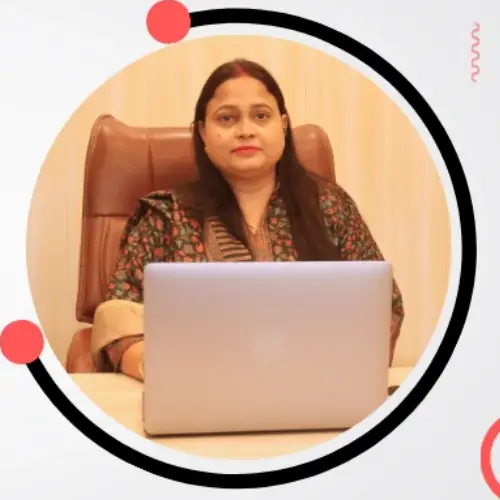
Sapna Kumari is the founder of Sanskriti Fancy Dresses (Since 2018) and a dance teacher who has been closely associated with school cultural programs and stage performances.
Through her work with schools, teachers and parents, she has gained practical experience in planning costumes for annual functions, folk dance performances and fancy dress competitions.
She writes about school costume planning, folk dance dresses and cultural event preparation to help teachers and parents organize stage performances smoothly.
Sapna Kumari has been actively working in the field of school event costumes and cultural performances.
Her experience includes:
costume planning for school annual functions
folk dance costumes for stage performances
fancy dress competition preparation
bulk costume coordination for school events
Through Sanskriti Fancy Dresses, she works closely with teachers, dance instructors and event coordinators to help them arrange costumes efficiently for school programs.