Kummi dance is an ancient form of folk dance originating from southern India. It has been traditionally practiced for many generations in both Tamil Nadu and Kerala. Kummi dancing has historically only been performed by women on festive occasions or during special community events.
This type of dance is recognised by its simple but elegant movement rhythms, and is also a celebration of women’s strength through unity. Participants create an inner ring of dancers who face outwards and clap their hands while dancing; the outer ring of dancers face inwards towards the inner circle of dancers.
Kummi Dance has cultural significance in addition to being a popular recreational activity among the people of South India; it represents rural life through its celebration of harvests, weddings and community events. Kummi Dance has evolved to become an integral part of Cultural Programmes and Staged Performances. Kummi Dance embodies Joy, Unity, Togetherness, and Harmony; it is a representation of a collective spirit among all participants in the Kummi Dance.
Kummi Dance embodies simplicity, yet traditonal beauty. Costume plays an important role in the performance of Kummi Dance as well as in expressing the essence of Kummi Dance. Traditional Kummi Dance Costumes are typically Brightly Coloured, Comfortable, Free-Moving, and allow for maximum expression of the spirit of this Colorful Folk Dance.
Features of a Traditional Kummi Dance Dress
Comfortable, stylish, and exquisite are the three main characteristics of a traditional Kummi Dance dress. The beautiful design and attractive colours associated with Kummi Dance are prominent examples of the crafts of India. Bright and attractive colours such as red, green, yellow and blue reflect the joyous, energetic and festive nature of the art of Kummi Dance.
Dance dresses for Kummi Dance are made to give a dancer the best look during her performance as well as provide maximum comfort and flexibility whilst a dancer performs a Kummi Dance performance to the fullest extent.
It is also very common that many Kummi Dance dresses have a long, flowing skirt (also called pavadai) and a top or choli in a variety of styles. Some Kummi Dance dresses also come with either a faux shawl or a duplicate of the dress to bring added style to the overall Kummi Dance outfit.
While most Kummi Dance dresses can feature many large, intricate patterns, borders and motifs, the fabrics themselves are very thin, light, and airy to the touch. The unique patterns and designs that have become a staple for the Kummi Dance garment are unique to different cultures and regions.
Important accessories to complete the overall look for Kummi Dance also include hair wigs, floral garlands, simple jewelry, and bangles and anklets to enhance the overall look when performing Kummi Dance.
Types of Kummi Dance Costumes
There are many different types of Kummi dance costumes that are made specifically for each age group, performance and occasion. Although all of these costumes adhere to the same tradition of Kummi dance, the slight differences in design, color and detail on the costumes will allow the dancer to appear elegant and confident while performing on stage.
- Standard Kummi Costume: The standard Kummi costume consists of simple pavadai (long skirt) and blouse made of brightly colored (solid), diaphanous material with traditional borders. This costume is primarily worn for village festivals and cultural celebrations, thus maintaining the original folk nature of Kummi dance to some extent.
- Stage Kummi Costume: The stage Kummi costume is designed for performing at school, college and professional venues. The stage Kummi costume is typically made in brighter colors, has a much wider border and includes more elaborate designs than the standard costumes. Stage costumes typically feature bright colors that will pop while being illuminated by stage lighting.
- Modern Fusion Kummi Costume: The Modern Fusion Kummi costume has elements that are a mixture of traditional Kummi costumes combined with modern dress styles. Therefore, the Modern Fusion Kummi costume may consist of contrasting blouse colors, layered skirts or may use very simple details to reflect the folk feel of Kummi dance.
- Costumes for Group Performances: Group performance costumes typically are designed to stay within the same color range(s) and design styles. A uniformity in color will create an aesthetically appealing and synchronized performance for the group.
Kummi Dance Dress for Kids vs. Adults
Both Kummi Dance Dresses for children and Adults were designed for comfort, safety, and an appropriate fit, but they were made using completely different construction techniques. However, they have a very consistent style that is very much connected to the tradition of Kummi.
- Children’s Kummi Dance Dresses: Children’s Kummi Dance Dresses are made from very light, soft fabrics that allow for maximum comfort and flexibility of movement. They follow a very simple design pattern with very few layers and have strong seams to prevent any discomfort when performing.
- Adult Kummi Dance Dresses: Adult costumes are made with much brighter colours than the children’s dresses. The fabric is stronger than the younger ones, and the garments have more detailed, complicated trimmings. They are fitted much more accurately than the children’s costumes to emphasise the aesthetic value of the dancer’s pose, as well as the entire “stage” (what the dancer looks like in relation to the other dancers).
- Kid’s Accessories: Kid’s accessories include lightweight jewellery (such as ear studs and bracelets), lightweight flower garlands, and very few other items to ensure the dancer’s safety.
- Adult Accessories: Traditional jewellery, such as beaded bangles and anklets, and various hair decorations (such as crowns and flowers) provide the final touch in completing the beautiful folk dance look.
What Makes a Kummi Dance Dress Unique
What makes a Kummi dance dress unique is the fact that it shows the spirit of the culture of the people of South India in a simple and traditional way. The dresses used for Kummi dancing emphasis the lightness and ease of movement of the Kummi dancers.
In contrast to most other folk dances, which often include heavy embellishments, the Kummi dress contains minimal design features, so that it is easy for Kummi dancers to perform energetic dance patterns.
Bright, solid, emerging colours such as red, green, yellow and blue are typical of Kummi dance costumes. These colourful costumes represent joy, prosperity, and celebration. The traditional designs typically include contrasting and simple repeats, which contributes to the dress’ authentic and elegant look. They also add to an understated look to the Kummi dance dress, while still allowing it to appear to be elegant.
Another reason Kummi dance dress design is important is due to the functionality of the dress. Kummi dance dresses contain no similarities between each of the dancer’s individual attire. They support uninterrupted movements for the dancers, which is critical to the music of the Kummi dancers, and the creation of the dancers’ groups as they dance, clap hands together, and step rhythmically. Dancers wear dresses with matching designs, therefore they appear as one unified group on stage.
Materials Used in Kummi Dance Dresses
Dancers in kummi dance wear dresses made from comfortable and durable fabric; cotton is primarily used in this case as a material choice because it has a soft feel to the skin, provides a steady flow of air to keep dancers cool while they are moving and allows for long-term comfort for those who wish to perform kummi dancing over an extended amount of time.
The cotton material also absorbs moisture away from an individual’s skin; therefore, it is an ideal fabric for those who may perform kummi dancing outdoors and/or in performance. Cotton-blend fabrics have been used as well since they are light-weight, easy to maintain, and long-lasting.
Silk (and silk blends) may be added to special occasions in order to add a festive and elegant touch to the kummi dance dresses. The addition of these materials can enhance the glittery and shimmery qualities of the garments while giving the dancers ample freedom of movement.
The selection of fabric utilized in the Kummi Dance dresses not only helps to define the style but supports the overall shape and flow of the Kummi dresses while a dancer is executing the steps in Kummi dance.
Frequently Ask Questions
Q. What is Kummi Dance Dress?
A. Kummi Dance Dress is the traditional folk costuming associated with the Kummi dance, and it is characterized by comfortability, easy mobility, and coordinated group activity and is representative of a South Indian culture.
Q. What type of clothing do Kummi dancers wear?
A. Kummi dancers will be dressed in a pavadai(a long skirt) and blouse in coordinating colors. Each Kummi dress has bright colors and traditional borders to reflect the celebratory nature of the dance.
Q. Why do Kummi Dance Dresses have Bright Colors?
A. Bright colors (such as red, green, yellow) represent celebration, joy, and the cultural energy of Kummi Dance. The use of bright colors distinguishes dancers during performances both in groups and on stage.
Q. What Fabric(s) is the Best for Kummi Dance Dress?
A. Cotton is the most commonly used fabric for Kummi Dance Dress. Cotton is ideal because it is breathable and allows for optimal levels of comfort while dancing. Cotton/silk blends are an alternative for more formal occasions.
Q. Are Kummi Dance Dresses Different from Adults to Children?
A. Kummi Dress for Children will generally be lighter and will have simpler designs than the Kummi Dress made for Adults. These Differences exist due to comfort and safety issues of children versus the richness of the Adult Kummi Dress in Colour and detail bordering the dress.
Q. Can Kummi Dance Dresses Be Worn in School Programs?
A. Kummi Dress are commonly used for both school and college celebrations of culture and also their traditional styling and comfort level.
Q. How Should Kummi Dance Dresses Fit?
A.When creating your Kummi Dance Dress, your dress should fit snugly, but it must also allow for your full movement in all of the Dance Steps you will be executing.
Q. What Accessories Are Worn with Kummi Dance Dresses?
A. Common accessories that complement your Kummi Dress include simple jewellery, Hair Flowers, Bangles, and Anklets to complete the Traditional Look of the Kummi Dress.
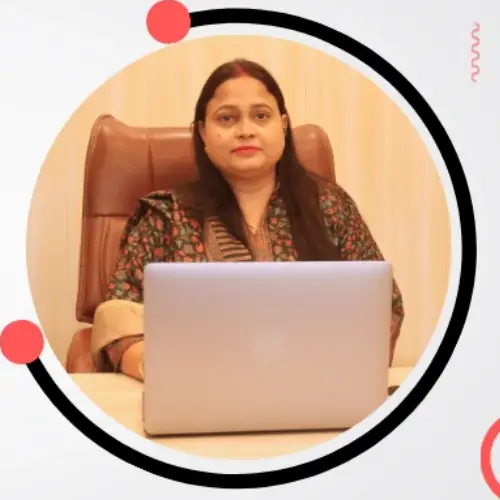
Sapna Kumari is the founder of Sanskriti Fancy Dresses (Since 2018) and a dance teacher who has been closely associated with school cultural programs and stage performances.
Through her work with schools, teachers and parents, she has gained practical experience in planning costumes for annual functions, folk dance performances and fancy dress competitions.
She writes about school costume planning, folk dance dresses and cultural event preparation to help teachers and parents organize stage performances smoothly.
Sapna Kumari has been actively working in the field of school event costumes and cultural performances.
Her experience includes:
costume planning for school annual functions
folk dance costumes for stage performances
fancy dress competition preparation
bulk costume coordination for school events
Through Sanskriti Fancy Dresses, she works closely with teachers, dance instructors and event coordinators to help them arrange costumes efficiently for school programs.