Bagurumba Folk Dance Dress belongs to one of the most graceful and visually bright dances of Northeast India. Bagurumba is the traditional dance of the Bodo community, mainly from Assam. It is often called the “butterfly dance” because of the soft hand movements and the way the costume spreads while dancing.
Bagurumba is performed only by women. The dance is gentle, flowing, and close to nature. There are no sharp steps or heavy footwork. The dancers move lightly, almost like they are floating. Because of this, the costume is designed to move along with the body and not restrict any movement.
The dress is colourful but not flashy. It looks beautiful because of hand weaving, natural colours, and the way it flows during group movement.
Understanding Bagurumba Dance – Origin, Region, and Cultural Background
Bagurumba comes from the Bodo community of Assam. It is a dance done by women and has been part of their life for a long time. It is usually performed during festivals and happy occasions.
The dance is closely linked to farming and seasons. When crops are harvested or when a new year begins, Bagurumba is performed as a way of celebrating and thanking nature. It is not a competitive or show-style dance.
Earlier, Bagurumba was danced in village spaces, not on stages. Women danced together in groups, following simple music. Because of this, the steps are soft and the movements are relaxed. The dress and jewellery used in the dance also come from everyday traditional wear, worn in a more complete way for the occasion.
Cultural Importance of Bagurumba Dance in Bodo Society
For the Bodo community, Bagurumba is not just a performance. It is a way of expressing happiness, peace, and connection.
The dance is performed in groups. There is no lead dancer. Everyone moves together. This shows equality and togetherness, which are important values in Bodo society.
The costume reflects this idea as well. All dancers wear similar dresses in the same colour tones and patterns. No one stands out. The beauty comes from unity, not individual display.
Hand-woven clothing and traditional jewellery worn during Bagurumba also show respect for cultural roots and family traditions.
Dance Movements of Bagurumba and How They Shape theb Costume
Bagurumba movements are soft and continuous. The hands move like wings. The steps are light. The body stays relaxed.
Because of this movement style, the costume needs to:
- flow easily with hand and shoulder movement
- stay secure during group formations
- feel light on the body
The wrap-around dress allows free leg movement. The shawl spreads out with hand movements, creating the butterfly-wing effect. Jewellery is worn close to the body so it does not disturb the rhythm.
Everything about the Bagurumba dress supports calm movement and group harmony. The costume does not overpower the dance. It quietly moves along with it.
Women’s Bagurumba Dance Dress – Complete Costume Overview
Bagurumba is an all-women dance, and the costume is based on the traditional dress worn by Bodo women. The outfit looks simple at first glance, but every part has a purpose in the dance.
A complete Bagurumba dance dress usually includes:
- Dokhona, the main wrap-around dress
- Jwmgra, the shoulder shawl used during movement
- Aronai, a small traditional scarf
- silver jewellery worn close to the body
The costume is worn neatly and firmly so it stays in place during group movement. There is no extra layering or heavy decoration. The beauty comes from colour, weaving, and how the cloth moves with the dancer.
Dokhona – The Main Hand-Woven Dress and Its Draping Style
Dokhona is the most important part of the Bagurumba dress. It is a large piece of hand-woven cloth wrapped around the body from the chest down to the ankles.
Dokhona is yellow in colour. This yellow shade, known as Gwmw, is closely associated with Bodo identity. Along with yellow, the Dokhona usually has red or green woven borders with simple traditional patterns.
The Dokhona is wrapped tightly enough to stay secure but loose enough to allow easy movement. Because Bagurumba steps are light and flowing, the dress falls naturally around the legs and moves gently with each step.
Jwmgra – Shoulder Shawl and the Butterfly Wing Effect
Jwmgra is a bright shawl or stole worn over the shoulders. This is one of the most noticeable parts of the Bagurumba costume.
During the dance, the dancers hold the ends of the Jwmgra in their hands. As they move their arms, the cloth spreads out and looks like butterfly wings. This movement is what gives Bagurumba its popular name.
The Jwmgra is usually colourful, with bold patterns or borders. It is light in weight so it does not pull on the shoulders during long performances.
Aronai – Traditional Scarf and Its Cultural Meaning
Aronai is a small but very important part of the Bagurumba costume. It is a finely hand-woven scarf with traditional Bodo motifs.
The Aronai may be worn:
- around the neck
- tied at the waist
- or placed over the shoulder
The designs on the Aronai often include traditional patterns that represent nature and the Bodo way of life. Wearing the Aronai is a sign of respect and cultural pride.
Even though it is small, the Aronai completes the costume and connects the dance to everyday Bodo tradition.
Fabrics Used in Bagurumba Dance Dress and Why They Are Chosen
The fabric used in Bagurumba dress is mostly hand-woven. Many Bodo women still weave their own cloth at home.
Cotton is commonly used because it is light and easy to wear. It works well in warm weather and allows free movement. For special occasions and stage programs, silk is also used. Assam silk gives a richer look without making the costume heavy.
The fabric is chosen so it moves gently with the body. Since Bagurumba steps are slow and flowing, the cloth should not feel stiff or tight.
Colours and Traditional Motifs in Bagurumba Costumes
Colour is one of the most striking parts of Bagurumba costume. The base colour of the Dokhona is usually yellow, which is closely linked to Bodo identity.
Along with yellow, you will often see:
- red borders
- green or blue lines
- traditional woven patterns
The motifs are not printed. They are woven directly into the cloth. Many designs are inspired by:
- nature
- hills and rivers
- plants and everyday life
These colours and patterns look bright on stage but still feel natural, not flashy. They reflect joy, peace, and connection to the land.
Jewellery Used in Bagurumba Dance – Chandra Haar and Gamkharu
Jewellery plays an important role in completing the Bagurumba look. The jewellery is heavy, but it is worn carefully so it does not disturb movement.
Common jewellery pieces include:
- Chandra Haar, a layered silver necklace
- Gamkharu, large silver bangles worn on the arms
The Chandra Haar sits close to the chest and adds weight and presence. When the dancers move together, the soft sound of silver adds to the rhythm.
Gamkharu bangles are usually thick and traditional. Many of them are family heirlooms passed down through generations.
Hair Style, Head Accessories, and Overall Appearance
In Bagurumba dance, the overall look is kept neat and simple. Hair is usually tied back properly so it does not come in the way.
Most dancers:
- tie their hair in a bun or low knot
- sometimes add flowers
- avoid heavy head jewellery
There is no need for fancy hairstyles. The focus stays on the dress, hand movement, and group formation. Simple grooming works best for this dance.
Bagurumba Dance Dress for Girls and School Performances
Bagurumba is very commonly performed in schools because it is graceful and easy for children to learn.
For school performances:
- Dokhona is often stitched or pinned properly
- lighter cotton fabric is used
- jewellery is kept light or replaced with simple replicas
- shawls are sized correctly for children
These changes make the costume safe and comfortable while still keeping the traditional look.
Stitching, Fit, and Comfort for Group Dance Movements
Bagurumba is always performed in a group. Everyone moves together in the same rhythm.
Because of this:
- the costume must fit well
- nothing should slip or loosen
- the cloth should not feel heavy
A properly fitted Dokhona allows free leg movement. The Jwmgra should not pull on the shoulders. Jewellery should sit close to the body.
Comfort helps dancers stay relaxed, which is important for Bagurumba.
Difference Between Daily Bodo Traditional Wear and Bagurumba Costume
The clothing used in Bagurumba comes from daily Bodo traditional wear, but it is worn more carefully for the dance.
In daily life:
- colours may vary
- jewellery may be minimal
For Bagurumba:
- the yellow Dokhona is preferred
- jewellery is worn fully
- the look is uniform across the group
The difference is mainly in how complete and coordinated the dress is during performance.
When and Where Bagurumba Dance Is Performed
Bagurumba is commonly performed during:
- Bwisagu festival
- community celebrations
- cultural programs
It is also seen on school stages and folk dance festivals. Even on stage, the dance keeps its calm and graceful style.
Common Costume Mistakes to Avoid in Bagurumba Dance
One common mistake is using shiny or synthetic fabric instead of hand-woven cloth. This changes the natural look of the dance.
Another mistake is ignoring the traditional yellow colour of the Dokhona. Random bright colours take away the identity of Bagurumba.
Loose draping, heavy jewellery, or mixing costume styles from other dances also spoil the group look. Bagurumba works best when everyone looks similar and moves together.
Frequently Asked Questions
Q. Who dances Bagurumba?
A. Women from the Bodo community in Assam perform Bagurumba.
Q. Is Bagurumba a fast dance?
A. No, it is a slow and gentle dance with smooth movements.
Q. What do women wear for Bagurumba dance?
A. They wear a traditional wrap called Dokhona along with a shawl and silver jewellery.
Q. Why is the shawl important in Bagurumba?
A. The shawl is held during the dance and helps create the butterfly-like movements.
Q. Is the dress specially made for dance?
A. The dress comes from traditional daily wear, but it is worn more neatly and fully during the dance.
Q. What jewellery is usually worn?
A. Silver jewellery like Chandra Haar necklaces and Gamkharu bangles are commonly worn.
Q. Can children perform Bagurumba in schools?
A. Yes, many schools perform Bagurumba using lighter and secured costumes.
Q. Is Bagurumba danced alone or in a group?
A. Bagurumba is always danced in a group.
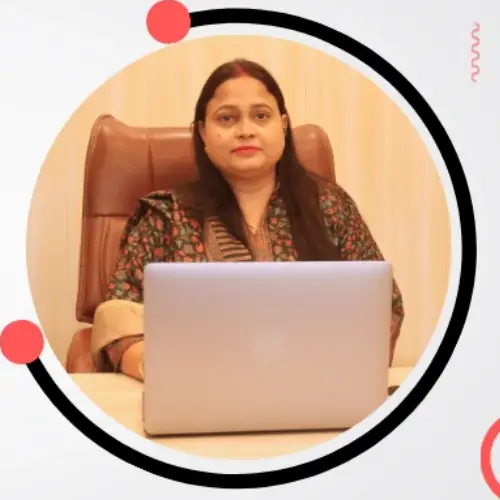
Sapna Kumari is the founder of Sanskriti Fancy Dresses (Since 2018) and a dance teacher who has been closely associated with school cultural programs and stage performances.
Through her work with schools, teachers and parents, she has gained practical experience in planning costumes for annual functions, folk dance performances and fancy dress competitions.
She writes about school costume planning, folk dance dresses and cultural event preparation to help teachers and parents organize stage performances smoothly.
Sapna Kumari has been actively working in the field of school event costumes and cultural performances.
Her experience includes:
costume planning for school annual functions
folk dance costumes for stage performances
fancy dress competition preparation
bulk costume coordination for school events
Through Sanskriti Fancy Dresses, she works closely with teachers, dance instructors and event coordinators to help them arrange costumes efficiently for school programs.