Shad Suk Mynsiem Folk Dance Dress is one of the richest and most detailed traditional costumes in Meghalaya. This is not a light or casual dance costume. It is meant to show dignity, purity, and the cultural pride of the Khasi community.
Every part of the dress from silk, silver, gold to feathers has meaning. The costume is worn carefully and respectfully because this dance is connected to thanksgiving and social values. On stage, even a small mistake in costume can change the meaning of the performance.
What Is Shad Suk Mynsiem Folk Dance and Where Is It Performed
Shad Suk Mynsiem is a traditional Khasi dance performed in Meghalaya, mainly during spring. It is a thanksgiving festival dance and is often called the “Dance of Peaceful Hearts.”
This dance is performed:
- During community festivals
- In village grounds and sacred spaces
- At state cultural events
- In school and college cultural programs
Traditionally, the dance is performed by unmarried young men and women, which is why the costume is closely linked with ideas of purity, youth, and responsibility.
Why Costume Is Important in Shad Suk Mynsiem Dance
In Shad Suk Mynsiem, costume is not just about looking beautiful. It carries social and cultural meaning.
Costume is important because:
- It represents purity and discipline
- It shows respect to tradition and community
- It helps identify gender roles in the dance
- It separates this dance from casual folk performances
The silver crown worn by women, the quiver carried by men, and even the small white handkerchief are all symbols. If these are missing or replaced incorrectly, the dance loses its traditional identity.
For schools and stage performances, using the correct Shad Suk Mynsiem folk dance dress helps audiences and judges understand the dance properly, even if the steps are simple.
Types of Shad Suk Mynsiem Folk Dance Costumes Used on Stage
Shad Suk Mynsiem costumes look very grand, but on stage they are used in slightly different ways, depending on who is performing and where the dance is shown.
Common types of costumes you will see:
- Traditional festival costume: This is worn during the actual Shad Suk Mynsiem celebration in Khasi villages. Heavy silk, real silver and gold jewellery, and original handmade crowns are used. This version is very expensive and worn with strict rules.
- Cultural stage performance costume: Used for state functions, cultural festivals, and formal shows.
- School and competition costume: Simplified version of the traditional dress. Lighter silk or silk-look fabric is used, jewellery is imitation, and crowns or quivers are adjusted for safety.
What Is Included in a Complete Shad Suk Mynsiem Folk Dance Dress
A complete Shad Suk Mynsiem folk dance dress includes clothing, jewellery, headgear, and symbolic accessories for both women and men. Each item has a purpose.
For women, the dress includes:
- Jainsem Dhara – Two-piece silk dress worn over the shoulders
- Silver crown (Pansngiat) – Tall crown with a pointed top
- Paila – Heavy coral and gold bead necklace
- Kynjri Syngkhai – Silver waist chain
- Bracelets and earrings – Gold or silver
- White handkerchief – Held in the hand during dance
For men, the dress includes:
- Jymphong – Sleeveless silk coat with embroidery
- Silk turban (Pagri) with peacock feathers
- Waist sash and long scarf
- Quiver (Ryngkap) with arrows
Shad Suk Mynsiem Folk Dance Dress for Women
Women are the centre of Shad Suk Mynsiem. Their movement is slow, graceful, and controlled, and the costume is designed to reflect purity and dignity rather than showy action.
What women usually wear:
- Jainsem Dhara – A two-piece dress made from heavy mulberry silk.
- One piece is draped over each shoulder and secured with gold brooches.
- Silver crown (Pansngiat) – Tall, carefully shaped, and worn straight on the head.
- Paila – A heavy coral bead necklace with gold globes.
- Kynjri Syngkhai – Silver waist chain worn firmly around the Jainsem.
- Bracelets and earrings – Solid gold or silver.
- White handkerchief – Held gently in the hand during the dance.
The Jainsem must fall evenly on both sides and stay in place when the dancer moves in a circle. The crown should sit balanced, not tilted. If any part looks loose, the grace of the dance is lost.
Shad Suk Mynsiem Folk Dance Dress for Men
In Shad Suk Mynsiem, men dance in the outer circle and their role is to protect and guide. Because of this, their costume looks strong, formal, and disciplined.
Men usually wear:
- Jymphong – A sleeveless silk coat, mostly black or maroon, with gold embroidery on the edges
- Pagri (turban) – A large silk turban worn neatly on the head
- Peacock feathers fixed into the turban
- Waist sash – A colourful silk cloth tied firmly
- Long silk scarf worn over the shoulders
- Quiver (Ryngkap) with arrows, carried on the back
The coat should fit properly at the shoulders so it doesn’t look loose when the men move in a circle. The quiver should be light enough to carry but clearly visible on stage. Everything is worn neatly, without anything hanging or slipping.
Shad Suk Mynsiem Folk Dance Dress for Girls and Boys
For girls and boys, the costume follows the same structure as adults but is scaled down and simplified.
For girls:
- Mini Jainsem made from lighter silk or silk-look fabric
- Small silver-finish crown
- Imitation coral necklace
- Light waist chain
For boys:
- Short Jymphong coat
- Readymade turban with artificial feathers
- Small, lightweight quiver
The idea is not to copy adult heaviness, but to keep the look correct and manageable.
Shad Suk Mynsiem Folk Dance Dress for Kids and School Performances
Shad Suk Mynsiem costumes are adjusted carefully in schools. Safety and comfort come first, but the traditional look should still be clear.
School-friendly adjustments:
- Lighter fabric instead of heavy silk
- Alloy or imitation crowns
- Plastic or fabric quivers instead of metal
- Artificial feathers instead of real ones
Children often perform in a separate group or follow elders slowly. Costumes should never feel heavy or restrictive, otherwise kids lose posture and balance.
Uniform dressing is very important. When all students look similar, the dance feels calm and organised, just like the spirit of Shad Suk Mynsiem.
Fabric Used in Shad Suk Mynsiem Dance Costume and Climate Comfort
Shad Suk Mynsiem costumes look heavy, but they are chosen carefully so dancers can move slowly and gracefully without discomfort. Traditionally, mulberry silk (Dhara) is used, especially for women’s Jainsem.
Common fabric choices:
- Mulberry silk (Dhara) for traditional performances
- Fine silk or silk-look fabric for stage shows
- Silk-blend fabric for school and student performances
Silk is used because it:
- Falls smoothly and evenly
- Holds jewellery weight properly
- Looks dignified in slow circular movements
For schools, very heavy silk is avoided. Lighter fabric is preferred so students don’t feel weighed down under stage lights.
Jewellery, Crowns, Feathers, and Traditional Accessories Used
Accessories in Shad Suk Mynsiem are not decorative extras. They define the dance itself.
Common accessories used:
For women:
- Silver crown (Pansngiat)
- Paila (coral and gold bead necklace)
- Kynjri Syngkhai (silver waist chain)
- Gold or silver bracelets and earrings
- White handkerchief
For men:
- Pagri (silk turban)
- Peacock feathers (U Shynreh)
- Waist sash and scarf
- Quiver (Ryngkap)
For children, these are recreated using lighter and safer materials, but the placement and look remain the same.
Meaning of Crown, Quiver, and Handkerchief in Shad Suk Mynsiem Costume
Every key item in this dance has meaning.
- Silver crown represents purity, dignity, and unmarried status
- Quiver and arrows show protection and responsibility
- White handkerchief symbolises grace, discipline, and calm movement
If these items are missing or wrongly replaced, the dance loses its cultural message.
Difference Between Daily Khasi Traditional Wear and Shad Suk Mynsiem Dance Costume
Although both belong to Khasi culture, daily wear and dance costume are very different.
| Daily Traditional Wear | Shad Suk Mynsiem Costume |
|---|---|
| Simple and practical | Formal and symbolic |
| Light jewellery | Heavy traditional jewellery |
| No crown or quiver | Crown and quiver compulsory |
| Individual dressing | Group identity |
Using daily wear on stage makes the performance look incomplete.
Difference Between Village Festival Costume and Stage Performance Costume
Village costumes follow tradition strictly. Stage costumes are adapted slightly for comfort.
| Village Costume | Stage Costume |
|---|---|
| Very heavy silk | Lighter silk |
| Real silver & gold | Alloy / imitation |
| Handmade crowns | Lighter replicas |
| Individual sizing | Group-matched |
For schools, stage versions are always recommended.
Common Mistakes While Choosing Shad Suk Mynsiem Folk Dance Dress
These mistakes are commonly seen in school and competition performances:
- Skipping the silver crown for girls
- Using shiny modern fabric
- Heavy metal accessories for kids
- Wrong placement of jewellery
- Poorly balanced crown
- Mixing daily wear with dance costume
Avoiding these mistakes keeps the dance respectful and authentic.
Frequently Asked Questions
Q. Why do men wear a quiver and arrows in Shad Suk Mynsiem dance?
A. It shows their role as protectors of the community.
Q. Is the Jymphong coat compulsory for men?
A. It is an important part of the traditional costume.
Q. What colour is the men’s costume usually?
A. The coat is usually black or maroon, paired with colourful silk cloth.
Q. Are real peacock feathers used in school performances?
A. Usually no. Artificial feathers are used for safety and availability.
Q. Can boys wear the same costume as adult men?
A. The style is the same, but lighter and smaller versions are used.
Q. Is jewellery worn by men in this dance?
A. No heavy jewellery. The focus is on the coat, turban, and quiver.
Q. Can Shad Suk Mynsiem be performed in school cultural programs?
A. Yes, with simplified and safe costumes.
Q. Can daily Khasi traditional wear be used for this dance?
A. No. This dance requires a specific ceremonial costume.
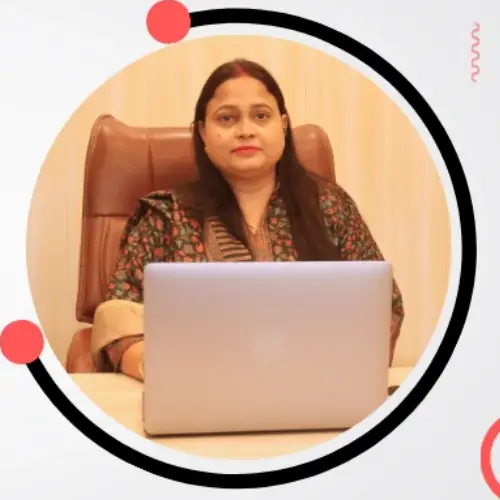
Sapna Kumari is the founder of Sanskriti Fancy Dresses (Since 2018) and a dance teacher who has been closely associated with school cultural programs and stage performances.
Through her work with schools, teachers and parents, she has gained practical experience in planning costumes for annual functions, folk dance performances and fancy dress competitions.
She writes about school costume planning, folk dance dresses and cultural event preparation to help teachers and parents organize stage performances smoothly.
Sapna Kumari has been actively working in the field of school event costumes and cultural performances.
Her experience includes:
costume planning for school annual functions
folk dance costumes for stage performances
fancy dress competition preparation
bulk costume coordination for school events
Through Sanskriti Fancy Dresses, she works closely with teachers, dance instructors and event coordinators to help them arrange costumes efficiently for school programs.