Bhutia Dance Dress depicts the rich culture of the Bhutia community (who reside primarily in Sikkim and parts of West Bengal) in northern Indian states. Folk dances performed at festivals, social gatherings, and religious ceremonies are deeply intertwined with the Bhutia Dress.
A Bhutia Dance Dress’s design embodies a sense of simplicity, grace, and unity with nature; all critical elements in the Bhutia philosophy of life.
Unlike most costumes worn by dancers that feature heavy embellishments, Bhutia Dance Dresses provide easy mobility; yet, they still offer the dancer an appearance of poise and elegance.
The warm fabrics (from the Himalayas), earthy colors, and traditional patterns of Bhutia Dance Dresses emphasize the unity of the Bhutia community with its mountainous climate and environment.
In current times, the Bhutia Dance Dress is worn by both Bhutias and non-Bhutias alike. All children wear the Bhutia Dance Dress when participating in cultural programs in schools, performing folk dances, and competing in fancy dress competition.
Origin and Cultural Significance of Bhutia Dance
Bhutia dance is part of the heritage of the Bhutia tribe, a group of people who live in the Himalayas and have many cultural characteristics that are similar to those of the Tibetan culture. Traditionally, Bhutia dances were held to mark many events, including seasonal festivals, religious ceremonies, and other major gatherings in the community. The Bhutia dance has evolved into a form of expression for joy, unity, and reverence for nature.
Dance movements in Bhutia dance are very gentle, repetitious, and in time with one another; they express the beauty of harmony and peace; therefore, the steps are slow, not fast and aggressive. Bhutia dance is usually performed as a group; by performing in groups, Bhutia culture demonstrates a strong sense of connection and bonding with each other.
The music used in Bhutia dance is primarily made up of traditional instruments and folk songs that have been handed down through generations.
For Bhutia culture, the importance of Bhutia dance is that it perpetuates tribal identity. The costume that is worn while performing Bhutia dances is also significant to the dance, as there are many different elements of the costume that symbolize tradition, historical events, and the environment.
Today, in addition to being performed at many different festivals throughout India, Bhutia dance is an important method for informing people about a lesser-known but beautiful form of folk dance.
Traditional Bhutia Dance Costume for Men
Traditional dance attire of the Bhutia people, indigenous to the Himalayan region, symbolizes their simple, dignified, and practical lifestyle. It is designed for cold-weather climates and cultural traditions and emphasizes comfort, ease of movement, and a clean, traditional appearance.
The male dancers are able to execute their rhythmic, slow-moving steps smoothly with the costume allowing for unhindered movement. The major elements of male Bhutia dance costumes are:
- Bakhu or Kho (Long Robe): The key distinguishing piece of the male costume worn over the inner garments
- Inner Shirt and Trousers: Usually made of a light, natural color to complement the outer robe, providing comfort and ease of movement.
- Waist Belt: Keeps the Bakhu securely tied around the waist and adds some structure and neatness to the costume.
- Fabric: Traditionally made from wool because of the cold weather and for performance on stage and for schools, cotton blends are favoured.
- Footwear: Soft shoes are usually worn to help with the dance movements.
Typically, costume colours will consist dominantly of brownish-grey and maroonish to indicate nature’s simplicity. The costume is well respected because of the comfort it provides and the importance it holds ethically, hence why it has been popularised during fancy dress costume contests and cultural festivals or events.
Traditional Bhutia Dance Costume for Women
The Bhutia dance costume is primarily feminine and has an elegant style, it is modest, and has cultural meaning in Bhutia history. This type of dress for women is symbolic of the gracefulness, discipline, and harmony that are key aspects of Bhutia dance. It allows the dancers to perform with apparent gracefulness while upholding the dignity of their appearance throughout the performance. Important components of Bhutia women’s dance wear include;
- Bakhu: A full-length outer robe which is worn over a fitted inner blouse, it is worn in a free manner and provides the primary foundation of the dance wear.
- Honju (blouse): A fitted inner blouse, under the Bakhu, provides the dancer with comfort and support.
- Kera (waist belt): A decorative and colorful belt worn at the waist that supports the Bakhu and provides contrast to the Bakhu.
- The type of fabric that is typically used to make clothing for the Bhutia women’s dance performances has historically consisted of wool. However, cotton and silk are also commonly worn by girls when participating in school functions or theatrical productions.
- The colour palette used for making Bhutia women’s dance attire includes bright and vivid hues, such as red, green, blue, and maroon, combined with extremely simple traditional embroidery designs.
The Bhutia women’s dance attire is mainly worn during cultural celebrations because it is aesthetically pleasing on stage, and it has cultural significance. The costumes worn by women participating in fancy dress competitions have come to be known as traditional, comfortable, and educationally significant.
Jewellery and Accessories Worn with Bhutia Dance Dress
The jewellery and other accessories worn with your Bhutia dance costume are simple, traditional and carefully chosen to preserve the cultural integrity of the entire costume.
While other types of dance may involve highly ornamented costumes, the focus of Bhutia Dance is on poise and effortless body movement; thus, the dancers wear less jewellery and more meaningful pieces of jewellery and accessories.
Women wearing the Bhutia dance costume typically wear lightweight jewellery that not only enhances their appearance but permits their ease of movement during the performance. Some examples of common accessories worn by women include:
- Traditional Necklaces: Simple bead or metal necklaces that lie flat against the neck, typically in the colour silver.
- Earrings: Small to medium-sized earrings with traditional designs, such as those made from silver, that do not impede the dancer’s movement when dancing.
- Bangles: A few bangles (made from metal) are worn to add to the traditional appearance of the Bhutia dancer’s wrists.
- Waist Belt: In addition to securing the Bakhu in place, the waist belt of the dancer serves as a decorative piece of jewellery.
Male Bhutia dance performers typically wear minimal accessories in order to maintain their dignity while performing. Depending on the style of performance, male dancers may wear a traditional belt or head attire (hat). Also, the footwear worn by male dancers is simple, flat and comfortable, enabling them to take smooth steps during their performances.
Hairstyle and Makeup for Bhutia Dance Performances
The hairstyle and make-up for Bhutia Dance Performances should be kept very simple, clean and traditional to best represent the elegance of this style of dance. The focus of these hairstyles and make-up is to create a clean and culturally appropriate appearance while avoiding the use of modern or heavy styling techniques. Simplicity in the hairstyle and make-up will highlight the beauty of the dancer’s costumes and movements.
Most women will style their hair in neat braids and/or low buns so that they do not move around during the Bhutia dance performance. Occasionally, a small traditional hair adornment or fresh flowers may be worn by the performer to add an elegance to her appearance, but they should not be overly elaborate.
The makeup worn by women is typically slightly heavier than that worn by males. It consists of light foundation, soft colours for the eye, and very soft colour for the lips to create a natural look when under the very bright stage lights.
Most men wear a simple hairdo, with a side-part or neat combed style. The use of make-up for men is typically minimal or not needed. The only make-up that is generally recommended for a male shows is a small amount of face powder to absorb any shine on the face during the dance performance.
Frequently Ask Questions
Q. What is the Bhutia Dance Dress?
A. Bhutia Dance Dress is the traditional dress for folk dances of the Bhutia community. This dress represents their way of life, culture and their connection to the Himalayas.
Q. In which states are the Bhutia Dance and Bhutia Dance Dress?
A. Bhutia Dance and the traditional dress associated with it are primarily found in Sikkim and the adjacent areas of West Bengal and the Himalayan areas.
Q. What is the primary article of clothing worn for the Bhutia Dance?
A. Bakhu is the primary article of clothing for both men and women for the Bhutia Dance. The Bakhu is a long robe that has been tied in a waist belt and worn over other clothing.
Q. What types of fabric are used to make the Bhutia Dance Dress?
A. Bhutia community made use of wool because of the cold climate. More recently, schools and other organizations have used cotton and silk when creating costumes for different school and stage performances.
Q. Can Children Wear the Bhutia Dress Used for Performance?
A. Children can wear the comfortable, modest and easy to wear Bhutia dance dress for any school function or Fancy Dress Competition.
Q. What Types of Jewellery are Worn with the Bhutia Dance Dress?
A. Jewellery for Women is typically simple necklace, earrings, bangles and a Waist belt, while Men wear very little, often just using the waist belt, or possibly just the Cap.
Q. Do Performing Artists of Bhutia Dance Wear Excessive Amounts of Makeup?
A. Bhutia Dance performers generally wear very little makeup or none at all; Most of their appearance is based upon keeping things light and natural to show themself in traditional graceful style.
Q. Why is the Bhutia Dance Dress so Popular in Fancy Dress Competition?
A. Bhutia Dance Dress has gained popularity as a result of the design being a representation of a Distinct Tribal Culture, an Elegant style on stage, and Additionally Having the Potential to Educate Children on the Cultural Diversity of India.
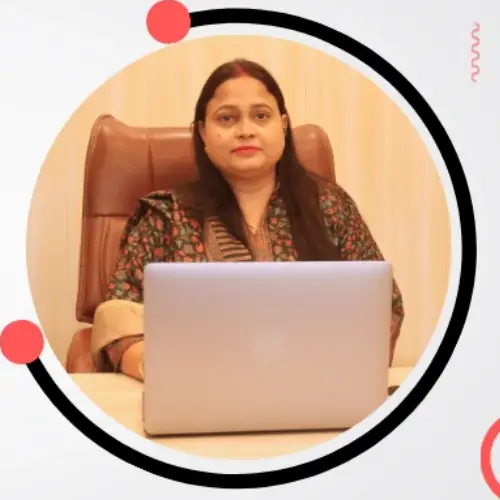
Sapna Kumari is the founder of Sanskriti Fancy Dresses (Since 2018) and a dance teacher who has been closely associated with school cultural programs and stage performances.
Through her work with schools, teachers and parents, she has gained practical experience in planning costumes for annual functions, folk dance performances and fancy dress competitions.
She writes about school costume planning, folk dance dresses and cultural event preparation to help teachers and parents organize stage performances smoothly.
Sapna Kumari has been actively working in the field of school event costumes and cultural performances.
Her experience includes:
costume planning for school annual functions
folk dance costumes for stage performances
fancy dress competition preparation
bulk costume coordination for school events
Through Sanskriti Fancy Dresses, she works closely with teachers, dance instructors and event coordinators to help them arrange costumes efficiently for school programs.