Bhortal Nritya is one of those dances where you can feel the energy the moment it starts. It comes from Assam and is known for its fast pace, strong rhythm, and powerful group movement. The dance is mostly performed by men and needs a lot of physical strength and control.
Because the movements are quick and demanding, the costume is kept very simple. There is no heavy decoration or extra layers. The dress is made to help the dancer move freely, not to slow him down. Every part of the costume has a clear purpose.
The white clothing, the gamosa, and the paguri are not worn to look fancy. They come from tradition and are worn with respect. When the group performs together in the same dress, it creates a strong and disciplined look.
Understanding Bhortal Nritya – Origin, Assam Roots, and Cultural Background
Bhortal Nritya comes from Assam. It is not something that was created for stage shows or competitions. It comes from religious and community spaces.
Earlier, people performed this dance in temple areas and village gatherings. The dancers played bhortals, which are small cymbals, and moved together in rhythm. The focus was always on discipline and timing, not on looking fancy.
This dance is linked to Sankari tradition. That is why everything about it feels controlled and serious. Even though the steps are fast, the dance itself is not showy. The dress, the movement, and the group formation all follow the same idea, simple, equal, and together.
That background is still visible today. Even when Bhortal Nritya is performed on stage, it keeps the same feeling.
Cultural and Spiritual Connection of Bhortal Nritya with Sankari Culture
Bhortal Nritya is deeply connected to Sankari values like simplicity, unity, and devotion. The dance is often performed as a group offering rather than a performance meant to highlight individuals.
There is no main dancer. Everyone moves together, plays the same rhythm, and wears the same costume. This reflects the Sankari idea that devotion is collective, not personal.
The white costume, the gamosa, and the disciplined movement all come from this belief system. Nothing is added for decoration. Everything has meaning and purpose.
Dance Movements of Bhortal Nritya and How They Influence the Costume
Bhortal Nritya movements are fast, low, and powerful. Dancers often crouch, jump, and spin while keeping rhythm with cymbals. This puts a lot of pressure on the legs and waist.
Because of this, the costume needs to:
- allow wide leg movement
- stay secure during jumps
- feel light on the body
- not restrict breathing or arm movement
The dhoti is tucked carefully so it does not loosen. The kurta or vest is kept short and breathable. The gamosa is tied firmly so it does not slip during performance.
Everything in the costume is designed to support movement first.
Men’s Bhortal Nritya Dance Dress – Complete Costume Overview
Bhortal Nritya is performed mainly by men, and the costume reflects strength, discipline, and simplicity. There is no unnecessary decoration in the dress. Everything is worn for a reason.
A complete Bhortal Nritya costume usually includes:
- a white dhoti
- a simple kurta or vest
- a gamosa or seleng
- a white paguri (turban)
All dancers dress in the same way. This uniform look is important because Bhortal Nritya is about group rhythm, not individual style.
Dhoti in Bhortal Nritya – Draping Style and Movement Support
The dhoti worn in Bhortal Nritya is tied very differently from daily wear. It is tucked between the legs and secured tightly at the waist.
This draping helps with:
- wide leg movement
- quick turns and jumps
- low crouching positions
If the dhoti is loose, the dancer cannot move freely and may lose balance. That is why proper draping is one of the first things taught before learning the steps.
Kurta or Vest – Upper Body Wear for Speed and Comfort
On the upper body, dancers wear a simple white kurta or sometimes a sleeveless vest. The cloth is light and breathable.
The kurta is kept short and loose enough to allow arm movement, but not so loose that it gets in the way. Sleeveless vests are often preferred in long performances because they help manage sweat.
The idea is comfort. The dancer needs to focus on rhythm and balance, not on adjusting clothes.
Gamosa / Seleng – Waist and Shoulder Cloth and Its Cultural Meaning
The gamosa or seleng is an important part of the Bhortal Nritya costume. It is the red-and-white hand-woven cloth that represents Assamese culture.
The gamosa may be:
- tied around the waist
- draped over the shoulder
It is worn as a mark of respect and tradition. Even though the dance is energetic, the gamosa is tied firmly so it stays in place.
Fabrics Used in Bhortal Nritya Dance Dress and Why They Are Chosen
The fabric used in Bhortal Nritya dress is chosen for one main reason, comfort during fast movement. This dance is physically demanding, so the body needs to stay cool and free.
Most dancers wear cotton clothes. Cotton absorbs sweat, feels light, and does not restrict movement. It also works well for long performances under stage lights or outdoors.
Heavy fabrics, silk, or synthetic materials are avoided. They make movement difficult and tire the dancer quickly. In Bhortal Nritya, the dress should support the dancer, not slow him down.
Colours and Overall Look of Bhortal Nritya Costume
The colour of Bhortal Nritya costume is kept very simple. White is the main colour used for the dhoti, kurta, and paguri.
White has meaning here. It represents:
- simplicity
- discipline
- respect
The only strong colour usually comes from the red border of the gamosa. This contrast stands out clearly and adds a traditional Assamese touch without making the costume look heavy or decorative.
Paguri – Headgear Style and Its Role in Performance
The paguri is the white turban worn on the head. It is tied in a specific way so it stays firm during fast movements.
The paguri:
- keeps hair in place
- absorbs sweat
- completes the traditional look
Some paguris have a small fold or fan at the top. This is part of the traditional tying style. The turban is not worn loosely. If it slips during performance, it becomes a distraction.
That is why dancers usually practice with the paguri on, not just the dance steps.
Footwork, Balance, and Costume Fit in Bhortal Nritya
Footwork is the backbone of Bhortal Nritya. The steps are fast, sharp, and often close to the ground.
Because of this:
- the costume must fit securely
- nothing should hang loosely
- the waist and legs must feel free
Even a small issue, like a slipping dhoti or loose kurta, can break rhythm or cause a fall. That is why costume fit is taken very seriously in this dance.
Bhortal Nritya Dance Dress for School and Stage Performances
Bhortal Nritya is often performed in schools, colleges, and cultural programs. When students perform it, the costume stays traditional but is made easier to manage.
For school and stage use:
- dhotis are often stitched or pinned securely
- light cotton fabric is preferred
- gamosa is tied firmly so it does not slip
- paguri is checked properly before performance
These changes help dancers move freely without worrying about their dress. The look remains traditional, but comfort and safety are given priority.
Stitching, Safety, and Comfort for Fast Group Movements
Safety is very important in Bhortal Nritya because the steps are fast and involve crouching and jumping.
The costume should:
- fit well around the waist
- stay secure during movement
- not be too tight or too loose
Loose dhotis, long kurtas, or slipping paguris can cause accidents. That is why many teachers prefer stitched or secured versions of the traditional dress for group performances.
Difference Between Daily Assamese Traditional Wear and Bhortal Nritya Costume
The clothing style used in Bhortal Nritya comes from everyday Assamese traditional wear, but it is worn differently for the dance.
In daily life:
- dhotis are tied more loosely
- gamosa may be worn casually
- paguri is not always used
For Bhortal Nritya:
- dhoti is tightly tucked
- gamosa is tied with purpose
- paguri is worn firmly
When and Where Bhortal Nritya Is Performed
Bhortal Nritya is usually performed during:
- religious festivals
- Sankari cultural programs
- community events
- stage performances and competitions
It is often seen in groups, sometimes with many dancers moving together in rhythm. The costume helps create a strong, uniform look during such performances.
Common Costume Mistakes to Avoid in Bhortal Nritya Dance
One common mistake is using heavy or shiny fabric. This makes movement difficult and changes the look.
Another mistake is loose draping. If the dhoti or gamosa is not tied properly, it becomes a distraction or even a safety risk.
Using colourful or patterned clothing instead of white also takes away from the identity of Bhortal Nritya. Simplicity is key.
Frequently Asked Questions
Q. Who performs Bhortal Nritya?
A. Bhortal Nritya is usually performed by men, in a group.
Q. Where did Bhortal Nritya start?
A. It started in Assam, mainly in religious and community spaces.
Q. Is Bhortal Nritya a stage dance originally?
A. No, it was not meant for stages in the beginning.
Q. Why is the costume so simple?
A. The dance is fast and physical, so the dress needs to be practical.
Q. What is usually worn for Bhortal Nritya?
A. A white dhoti, simple upper wear, gamosa, and a paguri.
Q. Can children perform Bhortal Nritya?
A. Yes, many schools perform it with secured costumes.
Q. Is Bhortal Nritya performed solo?
A. No, it is always done as a group.
Q. Does the costume change for modern performances?
A. Only small adjustments are made for comfort, not for style.
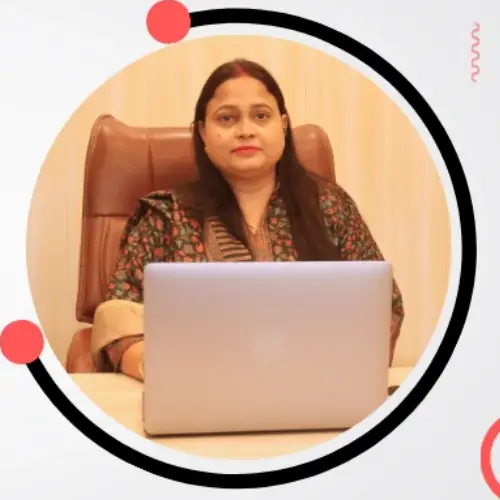
Sapna Kumari is the founder of Sanskriti Fancy Dresses (Since 2018) and a dance teacher who has been closely associated with school cultural programs and stage performances.
Through her work with schools, teachers and parents, she has gained practical experience in planning costumes for annual functions, folk dance performances and fancy dress competitions.
She writes about school costume planning, folk dance dresses and cultural event preparation to help teachers and parents organize stage performances smoothly.
Sapna Kumari has been actively working in the field of school event costumes and cultural performances.
Her experience includes:
costume planning for school annual functions
folk dance costumes for stage performances
fancy dress competition preparation
bulk costume coordination for school events
Through Sanskriti Fancy Dresses, she works closely with teachers, dance instructors and event coordinators to help them arrange costumes efficiently for school programs.