Ghoomar Dance Costume is a stunning representation of the Indian traditional art form of Rajasthan. The Ghoomar Dance features twirling and spinning movements that are depicted through the use of beautiful skirts (ghagras), tops (cholis), and dupattas that dancers wear during the performance. The beauty of the performance is further enhanced by the dancers’ movements combined with the magic created by the embroidery and tassels of the costumes.
The design of the Ghoomar Dance Costume is to accentuate the elegance of the dancer’s circular movements, as well as highlight the boldness of the colours, mirroring and traditional jewellery worn with the costume. The Ghoomar Dance Costume provides grace and beauty to every performance, whether in cultural programs, school functions, festivals, or theatrical performances, as well as giving the performers a sense of cultural pride in their performances.
This blog will highlight the key characteristics, colours, fabric choices, accessory choices and care instructions for the Ghoomar Dance Costume that make it a timeless and beautiful costume.
What is Ghoomar Dance?
Ghoomar is a folk dance from Rajasthan and is distinguished by graceful circular body movements and a variety of bright and colourful costumes. Ghoomar is performed by women at festivals, weddings and other cultural celebrations, and focuses on the slow, circular movement along with their singing of traditional songs to form a seamless, beautiful, rhythmic flow between their noise and motion.
The term “Ghoomar” is derived from the Hindi verb “ghoomna” which literally means to “spin around in circles.” The bright colours and spectacular patterns in the ghagra, choli and dupatta worn by dancers during these performances enhance every movement they make as they are dancing, and encapsulate the joy, celebration of life, the bonds of family and tradition, as well as the rich cultural heritage of Rajasthan.
Traditional Components of the Ghoomar Dance Dress
Ghoomar Dance dress is stunning, embellished, multi-coloured that creates the spinning motions of the dance.The costume worn during this dance consists of four parts, which include:
1. Ghagra (Lehenga): Lehenga is the traditional attire used by Ghoomar dancers to produce stunning circular movements in their dance routine. The Lehenga may have decorative embellishments such as Gota Patti, mirrors or traditional prints.
2. Choli (Blouse): The choli is a fitted, short-sleeved blouse that goes beneath the ghagra and provides a seamless transition between the two garments. The cholis tend to be vibrant and embroidered to match the other clothing element.
3. Odhani/Dupatta: The odhani is a long dupatta that drapes over the dancer’s head and/or shoulders. In addition to providing modesty to the dancers, the odhani is instrumental in developing the traditional Rajasthani look. The odhani typically has rich, embroidered borders with intricate patterns.
4. Jewellery: Dancers wear traditional Rajasthani jewelry, including Borla (Maang Tikka), large earrings, anklets, and necklaces, to add to their cultural appearance.
5. Footwear: Mojari or Jutti shoes are worn by Ghoomar dancers to complete their look and provide them with comfort while performing.
Ghoomar Ghagra (Lehenga): Style, Length & Designs
Ghagra, or lehenga, is the most eye-catching part of the Ghoomar dance dress. It is designed to flare beautifully with every spin, creating the signature circular movement of the dance.
- Style: Ghoomar ghagras are wide, flared, and ankle-length. The fullness of the skirt helps enhance graceful twirls and makes the dance visually stunning.
- Length: They typically reach the ankles, allowing free movement without tripping. The perfect length gives both elegance and comfort.
- Designs: Ghoomar ghagras feature Gota patti work, Mirror work, Bandhej or leheriya prints and Colourful borders.
These traditional designs add richness, shine, and cultural charm to the dress.
Embroidery & Decorative Work (Gota, Mirror Work, Zari)
Embroidery and embellishments are very much a part of the Ghoomar Dance Costume, as these ancestral artforms contribute to the Ghoomar Costume’s beauty and brilliance on stage. All embroidery and decorative art are traditional techniques that enhance the brightness, colourfulness, and cultural richness of the body.
- Gota Patti Work: Gota Patti is an ancient form of embroidery in Rajasthani culture. The craft of took patti typically requires the use of silver or gold ribbons and creates very beautiful floral designs and geometric patterns on the ghagra, choli, and dupatta.
- Mirror Work: The mirrors that are stitched onto the fabric reflect and refract the light, which creates a wonderful, sparkling effect. The mirrors are also helpful for performers, as they create additional visibility during their performances.
- Zari Embroidery: Zari, which is constructed using either silver or gold metallic thread, is the basis for creating a regal appearance when used on fabric that is used for a Ghoomar Costume. The shine of the Zari gives the Ghoomar Costume the appearance of being very royal.
The decorative elements that further enhance the Ghoomar Costume and thus, ultimately, the Ghoomar Dance Performance create richness and continuity of the costumes, which are very well suited to demonstrating the beautiful dance movements of the Ghoomar Dance.
Footwear Suitable for Ghoomar Performances
When selecting footwear for Ghoomar performances, it is important to find a pair that will be aesthetically pleasing with the traditional costume while also being comfortable and providing the dancer proper support and balance when performing circular movements.
- Mojari/Jutti: These traditional shoes from Rajasthan are among the most sought after by dancers because they look attractive, they are very flat, and they have excellent embroidery to match the colour of the Ghoomar costume.
- Very Lightweight Flat Sandals: These types of sandals are typically made for children or beginner dancers because they are very light and allow the wearer to grip the floor easily, making it easier for them to perform dance moves without slipping.
- Cushion-Footed Flats: Ideal for use during long performances, these flats provide dancers with additional comfort and support for spinning smoothly.
When selecting footwear, it is best to choose a flat, comfortable, and secure style that allows the dancer to move about freely and gracefully without the risk of falling.
Buying vs. Renting a Ghoomar Dance Costume
Choosing between buying and renting a Ghoomar dance costume depends on your budget, event type, and how often you’ll use it.
Buying a Ghoomar Costume
Buying is ideal if you need the costume for multiple performances.
Benefits:
- Perfect fit and comfort
- Long-lasting and durable
- Wide choice of colours and designs
- Hygienic and brand-new
Great for dance academies, repeated stage shows, or traditional events.
Renting a Ghoomar Costume
Renting works best for one-time events or school performances.
Benefits:
- Budget-friendly
- Complete sets available with jewellery
- Quick and convenient
- No storage needed
Ideal for fancy dress competitions, cultural days, and occasional performances.
Tips for Choosing the Right Ghoomar Dress
Choosing the right Ghoomar dress helps the dancer look graceful and feel comfortable during spins and movements. Here are a few easy tips:
- Choose a skirt with a good flare so it twirls beautifully during the dance.
- Select colours like red, pink, yellow, and blue look stunning on stage and match the Rajasthani style.
- Choose lightweight fabrics like cotton blends, chiffon, or soft silk to help with ease of movement.
- Look for gota patti, mirror work, or zari that adds shine without making the dress too heavy.
- Choli should fit well which allows easy arm movement. The dupatta should be secure and easy to manage.
- Choose flat mojari or jutti which are perfect for comfortable spinning.
Ghoomar Fancy Dress for School Events & Competitions
Ghoomar Fancy Dress as seen in many schools and during many cultural competitions, has become one of the most sought after fancy dress options due to the traditional look having colourful, elegant and distinctive designs. Children being able to wear such a traditional Rajasthani costume gives them confidence, whether the costume is designed for ease of use or created as an easier child friendly way. When you think about what makes a Ghoomar Costume school friendly. A school friendly Ghoomar Costume offers:
- A Flared Ghagra made from lightweight material.
- A Ghaghara that has matching Colourised Choli.
- Normal Style Dupatta which is draped over the head.
- Minimal Gold or Soft Moulded Jewellery like Bangles or Small Earring Accessories.
Both Teachers and Parents choose Soft fabrics for Children’s Ghoomar costumes with minimal Embellishment to allow the child to Move Freely. Therefore, although Ghoomar costumes are usually Styled Simply, the overall Appearance will still portray Elegance and Celebration. The Ghoomar look is Concise Enough for usage during Stage Dancing, Themed Fashion Show events, and Cultural Day programs/events.
Frequently Ask Questions
Q. What does Ghoomar dance dress mean?
A. Ghoomar Dance Dress is worn for Ghoomar dancing, it is a ghagra, choli, and dupatta, all adorned with Rajasthani-style designs.
Q. Why is the Ghoomar ghagro special?
A. Ghoomar ghagro is designed to have a wide and flared shape that allows it to spin around smoothly while dancing.
Q. What colours do you typically find in Ghoomar costumes?
A. Ghoomar costumes come in many bright colors, including red, pink, yellow, blue, and green.
Q. Which fabrics are used for Ghoomar dresses?
A. Cotton, silk, chiffon, georgette, and Rajasthani printed fabrics.
Q. What jewellery is worn with a Ghoomar outfit?
A. Borla, earrings, bangles, necklaces, and traditional Rajasthani ornaments.
Q. Is it better to buy or rent a Ghoomar dress?
A. Buy for repeated use; rent for one-time school events.
Q. What footwear is best for Ghoomar dance?
A. Flat mojari or jutti for easy spinning.
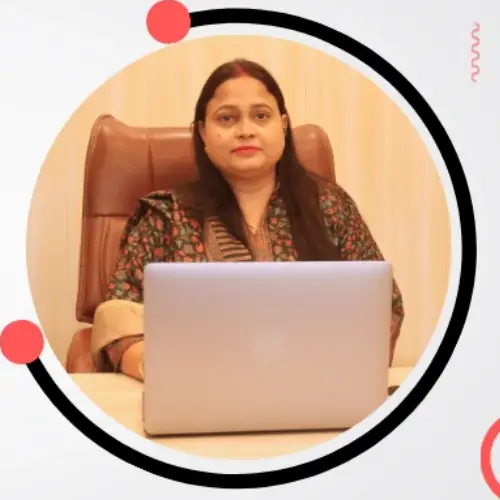
Sapna Kumari is the founder of Sanskriti Fancy Dresses (Since 2018) and a dance teacher who has been closely associated with school cultural programs and stage performances.
Through her work with schools, teachers and parents, she has gained practical experience in planning costumes for annual functions, folk dance performances and fancy dress competitions.
She writes about school costume planning, folk dance dresses and cultural event preparation to help teachers and parents organize stage performances smoothly.
Sapna Kumari has been actively working in the field of school event costumes and cultural performances.
Her experience includes:
costume planning for school annual functions
folk dance costumes for stage performances
fancy dress competition preparation
bulk costume coordination for school events
Through Sanskriti Fancy Dresses, she works closely with teachers, dance instructors and event coordinators to help them arrange costumes efficiently for school programs.