Chholiya folk dance dress looks like a warrior’s outfit. It is strong, simple, and made for action. This dance comes from the Kumaon region of Uttarakhand. It has been performed for many years, especially during weddings and processions.
The costume is inspired by old Rajput soldiers. It includes a long tunic, tight lower wear, turban, and weapons. The colors are mostly white with touches of red and gold. This gives a clean but powerful look.
The dress is not just for show. It is made for fast movement, spins, and mock fighting. Every part of the costume helps the dancer perform better and look like a real warrior.
What Is Chholiya Folk Dance and Where Is It Performed
Chholiya is a traditional warrior dance from Uttarakhand. It is mainly performed in the Kumaon region. The dance is closely linked to weddings, processions (baraat) and cultural festivals. In earlier times, it was performed to protect the wedding group. It was believed to keep away negative energy. The dance includes:
- sword fighting movements
- shield handling
- fast spins
- strong footwork
The performance is energetic and powerful. It is usually performed with live music like dhol, damau or ransingha. Because of this style, the costume must support quick movements and weapon handling. Today, Chholiya is also performed on stage and in school programs, but the warrior look is always maintained.
Why Costume Is Important in Chholiya Folk Dance
In Chholiya dance, the costume is not just for appearance. It is part of the performance. The dancer acts like a warrior. So the dress must reflect strength and control. The costume helps in:
- creating a warrior identity
- supporting fast movements
- holding weapons properly
- maintaining body balance
The long chola (tunic) creates a strong visual effect during spins. The churidar allows easy leg movement. The kamarband keeps everything secure and also holds weapons.
The turban adds height and presence. Even the colors matter. White shows peace, while red and gold show bravery. Without the proper costume, the dance loses its meaning and impact.
Types of Chholiya Folk Dance Costumes (Traditional and Stage Versions)
Chholiya costumes are used in two main ways today.
Traditional Costume
This is used in real weddings and village performances. It includes white chola, churidar, simple turban and real-style weapons. The focus is on authenticity and tradition.
Stage Costume
This is used in festivals and school programs. It may includes brighter colors like red or orange, lighter fabrics and decorative elements. The design is slightly modified to look more attractive on stage.
What Is Included in a Complete Chholiya Folk Dance Dress
A Chholiya costume is not just clothing. It is a full warrior setup. Every item has a role in movement, safety, and appearance. A complete Chholiya folk dance dress includes:
- chola (long tunic)
- churidar (tight lower)
- kamarband (waist sash)
- pagri (turban)
- weapons like sword and shield
- ghungroo
- tilak and simple jewellery
All these items work together. The dress must stay secure during fast spins and mock fighting. The costume should not feel loose or heavy.
The full setup gives a strong warrior look. Without any one part, the costume feels incomplete.
Chholiya Folk Dance Dress for Men (Warrior Style)
The men’s costume is the main traditional dress. It is designed like a soldier’s uniform.
Chola (Tunic)
The chola is long and flared. It is usually white or cream, made of cotton or silk and knee-length or below. The flare helps during spinning. It creates a strong visual effect.
Churidar (Lower Wear)
The churidar is worn under the chola. It is tight-fitting, flexible and comfortable. It allows quick leg movement, jumping and bending.
Kamarband (Waist Sash)
The kamarband is tied around the waist. It is usually red or yellow and strong and tight. It helps in holding the chola in place, supporting body movement and keeping small weapons like khukri.
Pagri (Turban)
The turban is an important part and It is tied firmly, decorated with crest (turra) and sometimes has mirrors or ornaments. It adds height and warrior identity.
Chholiya Folk Dance Dress for Boys
For boys, the costume is similar but slightly lighter. A typical Chholiya folk dance dress for boys includes shorter chola, comfortable churidar, simple kamarband and light turban.
The design remains traditional. But the weight and size are adjusted for children. This helps them move easily and perform safely.
Chholiya Folk Dance Dress for Kids and School Performances
In schools, the costume is modified for safety and comfort. A typical Chholiya folk dance dress for kids for school performance includes lightweight fabric, stitched and easy-to-wear costume, simple turban and safe or dummy weapons.
Teachers ensure costume fits properly, nothing is too heavy
movement is not restricted. The aim is to keep the warrior look while making it practical.
Fabric Used in Chholiya Dance Costume and Comfort
Fabric is very important in Chholiya dance. The dancer performs fast movements. So the dress must be comfortable. Traditional fabrics include thick cotton and silk.
Cotton is strong and breathable. It is good for long performances. Silk is used for festive look. Modern costumes may use lighter cotton blends and synthetic fabrics. The fabric should not feel heavy, allow easy movement and stay comfortable.
Chola (Tunic) Design, Flare, and Movement Support
The chola is the most visible part of the costume. Its design is very important. It is wide and flared, long enough to cover knees and stitched to allow movement. The flare helps in:
- spinning (chakra movement)
- creating dramatic effect
- maintaining balance
If the chola is too tight, movement becomes difficult. If it is too heavy, it affects speed. So the design must be balanced. A good chola supports both performance and appearance.
Churidar (Lower Wear) and Flexibility in Dance
The churidar is worn under the chola. It may not be very visible, but it is very important for movement. It is tight-fitting and stretches along the legs. This helps the dancer move quickly without any cloth getting in the way. In Chholiya dance, movements include fast steps jumps, sudden turns and wide stances.
The churidar supports all these actions. It should be properly fitted, not too tight and not loose. Loose churidar can cause discomfort or slipping. Very tight churidar can restrict movement. Good fabric like cotton or stretch blends is preferred.
Kamarband (Waist Sash) and Its Functional Use
The kamarband is not just decorative. It plays a very practical role. It is tied tightly around the waist. Usually in bright colors like red or yellow. It helps in:
- securing the chola
- giving support to the waist
- holding small weapons like khukri
During fast movements, the chola can move or lift. The kamarband keeps everything in place. It also improves posture. The dancer feels more stable. The knot of the kamarband should be tight but comfortable. A loose kamarband can create problems during performance.
Pagri (Turban) Design and Warrior Identity
The pagri is an important part of the warrior look. It is tied around the head and gives height and presence. The turban is usually white or bright colored and firm and well wrapped Many pagris include:
- a turra (fan-like crest)
- small mirrors
- decorative elements
These details make the costume more striking. The pagri must be tied properly. It should not move during spins or jumps. It also represents pride and identity of the warrior. A well-tied turban completes the strong look of the dancer.
Weapons Used in Chholiya Costume (Talwar, Dhal, Khukri)
Weapons are a key part of Chholiya costume. This dance is based on mock battle. So weapons are not optional. Common items include:
- talwar (sword)
- dhal (shield)
- khukri (small knife)
The sword is used for rhythmic striking and battle movements. The shield is used for defense actions and creating sound with sword. The khukri is usually tucked in the waist. These items make the performance look real and powerful.
How Weapons Are Handled Safely in Performance
Even though weapons are used, safety is very important. In traditional performances, real weapons were used. But today, safer versions are preferred. For stage and school lightweight swords are used, blunt edges are preferred and plastic or wooden props are common.
Dancers are trained to maintain distance, control movement and avoid sudden swings. The grip of the weapon should be firm. The choreography is planned carefully to avoid accidents. Safety should always come first, especially for kids.
Jewellery and Tilak in Chholiya Costume
Chholiya costume is mostly simple. But some elements add traditional touch. Dancers wear small earrings (murkhis) and simple necklaces. The most important part is the tilak.
It is applied on the forehead using red color or yellow sandal paste. The tilak represents energy, bravery and warrior spirit.
It also makes facial expressions more visible. The jewellery is not heavy. It should not disturb movement.
Ghungroo (Ankle Bells) and Their Role in Martial Rhythm
Ghungroo are tied around the ankles. They create sound with every step. In Chholiya dance, footwork is strong and sharp. The sound of ghungroo helps in:
- maintaining rhythm
- matching drum beats
- adding power to movements
The bells are usually heavy. They produce a deep sound. They should be tied tightly. Loose ghungroo can disturb movement.
Color Combination and Symbolism in Chholiya Dress
Colors in Chholiya costume are simple but meaningful. The main color is white. It represents peace and purity. Other colors like red and gold are added. They represent bravery and strength.
Modern costumes may include orange and bright red. These make the performance more attractive on stage. The color combination should look balanced and strong.
How Schools and Dance Groups Choose the Right Chholiya Folk Dance Dress
Schools need practical and safe costumes. They focus on:
- lightweight fabric
- proper fitting
- easy-to-wear design
- safe weapons
Teachers also make sure the costume does not feel heavy, students can move freely and all dancers look uniform. Weapons used in schools are usually plastic, wooden or blunt. The aim is to keep the traditional warrior look but ensure safety.
Common Mistakes While Choosing Chholiya Folk Dance Dress
Some mistakes can affect the performance. One common mistake is using heavy costume. It slows down movement. Another mistake is loose chola or churidar. It can disturb balance. Other mistakes include:
- poorly tied turban
- loose kamarband
- unsafe weapons
- wrong size costume
Avoiding these mistakes helps in smooth and safe performance.
Frequently Asked Questions
Q. What is the main dress in Chholiya dance?
A. The main dress includes chola, churidar, kamarband, and turban.
Q. Why are weapons used in this dance?
A. The dance represents a mock battle, so weapons are part of the costume.
Q. What fabric is used in Chholiya costume?
A. Cotton and silk are commonly used.
Q. Is Chholiya costume heavy?
A. It can be slightly heavy, but modern versions are lighter.
Q. Can Chholiya be performed in schools?
A. Yes, with safe and lightweight costumes.
Q. What is the role of ghungroo?
A. It creates rhythm and supports footwork.
Q. Why is white color used in costume?
A. It represents peace and purity.
Q. What makes Chholiya costume unique?
A. Its warrior look with weapons makes it unique.
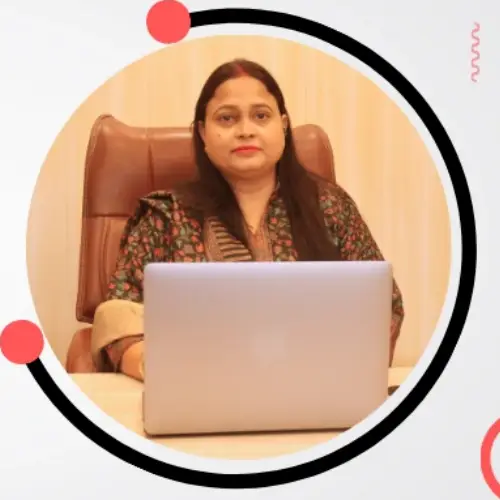
Sapna Kumari is the founder of Sanskriti Fancy Dresses (Since 2018) and a dance teacher who has been closely associated with school cultural programs and stage performances.
Through her work with schools, teachers and parents, she has gained practical experience in planning costumes for annual functions, folk dance performances and fancy dress competitions.
She writes about school costume planning, folk dance dresses and cultural event preparation to help teachers and parents organize stage performances smoothly.
Sapna Kumari has been actively working in the field of school event costumes and cultural performances.
Her experience includes:
costume planning for school annual functions
folk dance costumes for stage performances
fancy dress competition preparation
bulk costume coordination for school events
Through Sanskriti Fancy Dresses, she works closely with teachers, dance instructors and event coordinators to help them arrange costumes efficiently for school programs.