Nautanki folk dance dress is bold, bright, and theatrical. It is not like simple folk costumes. It is designed to be seen from far away. Nautanki comes from North India, especially Uttar Pradesh. It is popular in areas like Kanpur and Lucknow.
This is not just a dance. It is a mix of acting, singing and dancing. Because of this, the costume must match the character. The dress is shiny, colorful and heavily decorated. It uses fabrics like satin and velvet. These reflect light on stage.
The overall look is larger than life. Even small details are made bigger so the audience can see clearly. Each character has a different costume. A king looks different from a heroine. A joker looks completely different. Understanding the costume is important. It helps show the story clearly.
What Is Nautanki Folk Dance and Where Is It Performed
Nautanki is a traditional folk theatre form. It is mainly performed in Uttar Pradesh and North Indian regions. It is popular in village fairs, open stage shows, cultural programs and school performances. The performance includes:
- storytelling
- singing dialogues
- dance movements
The stage is usually open. The audience sits far away. Because of this, costumes must be bright, visible and easy to recognize. The costume helps the audience understand the character quickly.
Why Costume Is Important in Nautanki Folk Dance
In Nautanki, costume is very important. It is not just for decoration. It helps tell the story. The costume shows:
- who is the hero
- who is the heroine
- who is the king
- who is the joker
The dress must be eye-catching, clear from distance and suitable for movement. Heavy embroidery and shiny fabric help reflect light. Jewellery and accessories make the character look complete.
Makeup and costume together create strong expressions. Because of this, choosing the right Nautanki folk dance dress for performance is very important.
Types of Nautanki Folk Dance Costumes (Hero, Heroine, and Comic Roles)
Nautanki has different characters. Each one has a different style.
Heroine / Pari Costume
This is the most glamorous costume. It includes:
- lehenga-choli or saree
- shiny fabric
- heavy jewellery
The look is bright and decorative.
Hero / King Costume
This costume shows power and style. It includes:
- angarkha or sherwani
- dhoti or churidar
- turban
The look is royal and strong.
Comic Character (Maskhara)
This is the joker role. The costume is:
- colorful
- mismatched
- funny
It helps the audience recognize the character instantly.
What Is Included in a Complete Nautanki Folk Dance Dress
Nautanki costume is not just one outfit. It is a full stage setup. Every part helps in showing the character clearly. A complete Nautanki folk dance dress usually includes:
- main outfit (lehenga or sherwani)
- dupatta or sash
- jewellery
- headgear (pagri or accessories)
- ghungroo
- props (like sword or fan)
Each item is chosen based on the role. The costume must look bright, be visible from distance and stay secure during performance. The overall look should be strong and expressive.
Nautanki Folk Dance Dress for Women (Heroine / Pari Style)
The heroine’s costume is the most eye-catching. It is designed to look glamorous and bright on stage.
Lehenga-Choli or Saree
The main costume includes lehenga-choli or saree. The fabric is usually satin, velvet or silk blends. The colors are deep and rich like maroon, green or blue. The outfit has heavy embroidery, sequins, mirror work and gota borders. These reflect stage lights.
Odhni (Dupatta)
Dupatta is light and shiny, worn over the head and pinned properly. It allows easy movement and clear visibility.
Jewellery (Shringar)
The jewellery is bold and noticeable. It includes:
- large jhumkas
- nath (nose ring)
- layered necklaces
- bangles
Nautanki Folk Dance Dress for Men (Hero / King Style)
The male costume shows power and style. It is simple but royal.
Angarkha or Sherwani
The main outfit includes:
- long angarkha
- or sherwani
These are flared, decorated with brocade work and rich in look.
Dhoti or Churidar
Men wear dhoti or tight churidar. These allow easy movement.
Pagri (Turban)
The turban is an important part. It is colorful and decorated with brooch or feather. It shows royalty.
Kamarpatti (Waist Belt)
A cloth or belt is tied around the waist. It helps secure the dress and complete the look.
Nautanki Folk Dance Dress for Comic Characters (Maskhara Role)
The comic role has a very different look. The costume is designed to look funny and noticeable. It usually includes:
- bright mismatched clothes
- short dhoti or loose pants
- colorful waistcoat
- funny hat or headgear
The purpose is simple. The audience should recognize the character instantly. The costume supports comedy, expressions and interaction with audience.
Nautanki Folk Dance Dress for Kids and School Performances
In schools, the costume is simplified. A typical Nautanki folk dance dress for kids for school performance includes:
- lightweight fabric
- easy-to-wear costume
- simple jewellery
- safe props
Teachers focus on comfort, proper fitting and easy handling. The aim is to keep the theatrical look but make it practical.
Fabric Used in Nautanki Costume and Stage Comfort
Fabric plays a big role in Nautanki costume. It affects both look and comfort. Since performances happen on open stages, the costume must be visible from far. Traditional fabrics include satin, velvet and silk.
These fabrics shine under lights, give a rich look and make characters stand out. But these can feel heavy. So for school and stage use, lighter fabrics are used silk blends or lightweight synthetic fabric. The fabric should:
- not feel too heavy
- allow easy movement
- stay comfortable for long performance.
Lehenga-Choli and Saree Design for Female Characters
Female costumes are designed to look grand. The lehenga is flared, long and decorated. It includes sequins, mirror work and gota patti. This helps reflect light during movement.
The choli is fitted. It should allow free arm movement. Sarees, when used, are bright, tightly draped and easy to manage
The overall design should support spinning, dancing and stage presence.
Angarkha / Sherwani and Dhoti-Churidar for Male Characters
Male costumes are simple but royal. The angarkha or sherwani is long, slightly flared and decorated with brocade. It gives a strong and royal look.
The lower garment includes dhoti or churidar. These allow free leg movement and comfortable walking. The costume should stay secure during performance.
Odhni (Dupatta) Draping Style and Stage Visibility
The dupatta is important for female characters. It is worn over the head, pinned properly and kept secure. The fabric is usually light and slightly transparent.
This helps in easy movement and clear face visibility. The dupatta should not cover the face too much. It should move with the dancer but stay in place.
Pagri (Turban) and Royal Accessories in Nautanki
The turban is a key part of male costume. It shows royalty
status and character identity. The pagri is colorful and decorated. It may include brooch (sarpech) and feather.
It should be properly tied, comfortable and secure. Other accessories may includes waist sash and decorative belts. These complete the royal look.
Jewellery Used in Nautanki Costume (Jhumkas, Nath, Necklaces)
Jewellery in Nautanki is bold and noticeable. It is designed to be seen from distance. Common jewellery includes:
- jhumkas
- nath
- necklaces
- bangles
The pieces are usually large in size, gold-toned and decorative. They should not be too heavy. They should allow easy movement.
Ghungroo (Ankle Bells) and Their Role in Performance
Ghungroo are tied around the ankles. They produce sound with each step. They help in:
- maintaining rhythm
- matching music
- enhancing performance
In Nautanki, dance and acting both are important. The sound of ghungroo adds energy. They should be tied properly.
Makeup Style in Nautanki (Bold Stage Makeup and Expressions)
Makeup in Nautanki is very bold. It is designed for stage visibility. Common features include:
- thick base
- dark eyeliner
- bright lipstick
Expressions must be visible from far. So makeup is slightly exaggerated. The goal is clear facial expressions and strong character appearance.
Props Used with Nautanki Costume (Sword, Fan, Musical Items)
Props are also part of the overall look. They depend on the story. Common props include:
- sword (for king roles)
- hand fan (for romantic scenes)
- musical instruments
Props helps define the character, improve storytelling and make performance interesting. They should be light and easy to handle.
How Schools and Dance Groups Choose the Right Nautanki Folk Dance Dress
Schools need practical costumes. They focus on:
- lightweight fabric
- proper fitting
- easy-to-wear design
- simple jewellery
- safe props
Teachers also check costume should not be too heavy, accessories should stay secure and students should move freely. Stitched costumes are often preferred. Uniform costume helps create a neat group performance.
Common Mistakes While Choosing Nautanki Folk Dance Dress
Some mistakes can reduce the impact of performance. One common mistake is dull costume. Nautanki needs bright and shiny dress. Another mistake is too heavy outfit. It makes movement difficult. Other mistakes include:
- loose fitting clothes
- poorly fixed turban
- too much jewellery
- unsafe props
Avoiding these mistakes helps improve performance.
Frequently Asked Questions
Q. What is the main costume in Nautanki?
A. It depends on the role. Hero wears sherwani, heroine wears lehenga.
Q. Why are Nautanki costumes so bright?
A. They are designed to be visible from distance.
Q. What fabric is used in Nautanki costume?
A. Satin, velvet, silk, and lightweight fabrics are used.
Q. Do dancers wear jewellery in Nautanki?
A. Yes. Jewellery is an important part of the costume.
Q. What is the role of ghungroo?
A. It creates rhythm and supports dance movement.
Q. Can Nautanki be performed in schools?
A. Yes. Schools use simplified costumes.
Q. What makes Nautanki costume unique?
A. Its theatrical, bold, and character-based design makes it unique.
Q. Why is makeup important in Nautanki?
A. It helps show expressions clearly on stage.
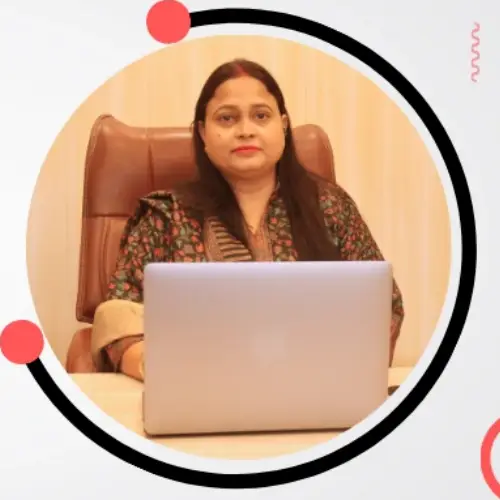
Sapna Kumari is the founder of Sanskriti Fancy Dresses (Since 2018) and a dance teacher who has been closely associated with school cultural programs and stage performances.
Through her work with schools, teachers and parents, she has gained practical experience in planning costumes for annual functions, folk dance performances and fancy dress competitions.
She writes about school costume planning, folk dance dresses and cultural event preparation to help teachers and parents organize stage performances smoothly.
Sapna Kumari has been actively working in the field of school event costumes and cultural performances.
Her experience includes:
costume planning for school annual functions
folk dance costumes for stage performances
fancy dress competition preparation
bulk costume coordination for school events
Through Sanskriti Fancy Dresses, she works closely with teachers, dance instructors and event coordinators to help them arrange costumes efficiently for school programs.