Punjab Folk Dance Dress is all about energy. The moment dances like Bhangra, Giddha, Jhumar, Sammi, or Kikli begin, you can see it in the clothes. Everything moves. The kurta swings, the dupatta flies, and the colours pop. The dress makes the dance look bigger and happier.
These dances came from village life. After working in the fields, people danced during harvest, fairs, and weddings. So the clothes had to be easy to wear and comfortable, but also festive. That’s why Punjab folk dress is loose, colourful, and light.
Today also, whether it’s a school function, a cultural program, or a proper folk performance, this dress always feels joyful. It looks free and full of life, just like the dance.
About Punjab Folk Dance Dress – Culture, Background and Meaning
Punjab folk dances are about celebrating life together. The dress supports this feeling. It is not tight. It does not restrict movement. It lets the dancer jump, spin, and enjoy the rhythm.
Earlier, people didn’t have special dance costumes. They danced in their regular festive clothes. Men wore kurta with chaadra or lungi. Women wore salwar kameez with dupatta. For dancing, colours were brighter and clothes were worn looser.
A few simple things explain Punjab folk dress:
- Clothes allow wide and open movement
- Colours look bright even from far
- Fabric stays light so dancers don’t feel tired
- Accessories add excitement, not heaviness
That same thinking is still used today.
Cultural Roots of Punjab Folk Dance Dress – Farming Life, Festivals, and Energy
Punjab folk dress comes straight from farming life. After months of hard work, people celebrated with dance. The clothes had to match that joy.
- Village and farming life: Loose clothes make it easy to move freely.
- Festivals and weddings: Bright colours and phulkari embroidery make the dress festive.
- Group dancing: Similar colours and styles help the group look united.
This is why Punjab folk dress never looks stiff. It looks happy and alive.
Fabrics Used in Punjab Folk Dance Costumes and Why They Are Chosen
Punjab folk dances are fast and energetic, so fabric matters a lot.
Most costumes use:
- Cotton for comfort
- Light blends that flow during movement
- Soft dupatta fabric that flies nicely
Heavy or stiff fabric is avoided because it makes dancing difficult. Too much shine is also avoided because it doesn’t suit the folk feel. For schools, stage shows, and cultural events, cotton blends work best. They look right and feel comfortable.
Types of Folk Dances in Punjab and Their Costumes
In Punjab, every folk dance has its own feel, and the dress changes to match that feel. Some dances are very energetic. Some are softer and playful. Because of this, the base clothing stays Punjabi, but the styling changes.
Below are the main Punjab folk dances and how the costume looks for each one:
- Bhangra Folk Dance Dress
- Giddha Folk Dance Dress
- Jhumar Folk Dance Dress
- Sammi Folk Dance Dress
- Kikli Folk Dance Dress
Bhangra Folk Dance Dress – Men’s Energy and Power Look
Bhangra is full of jumps and strong movements. The dress is made to show that energy.
Men wear a bright kurta, wide chaadra or lungi, and a vest. The most important part is the turla (fan-shaped decoration) on the turban.
Some clear points about Bhangra dress:
- Loose clothing for high jumps
- Bright colours like yellow, orange, green
- Cotton fabric for comfort
- Strong turban that stays in place
This costume makes every jump look bigger and sharper on stage.
Giddha Folk Dance Dress – Women’s Traditional Festive Style
Giddha is a dance where expressions and clapping matter more than fast footwork, so the dress needs to feel easy and festive. Women usually wear salwar kameez with a dupatta, the same style worn during Punjabi celebrations.
The clothes are bright and comfortable. The salwar is loose, the kameez allows free hand movement, and the dupatta adds colour when dancers clap and move together.
- Bright colours like red, yellow, pink, and green are common
- Cotton or light fabric is used so dancers don’t feel tired
- Phulkari dupatta or kurti is often added for a traditional touch
- Bangles and earrings are worn, but nothing heavy
Jhumar Folk Dance Dress – Softer and Graceful Look
Jhumar is slower and more graceful compared to Bhangra. The dress reflects that softness.
Men wear kurta with chaadra, but colours are softer. Women wear simple salwar kameez.
Key features of Jhumar dress:
- Pastel or earthy colours
- Light fabric
- Minimal accessories
The dress supports smooth, flowing movement.
Sammi Folk Dance Dress – Traditional Women’s Attire
Sammi is a traditional women’s dance. The costume looks neat and traditional.
Women wear salwar kameez with fitted dupatta. The dress is colourful but not too heavy.
Some points about Sammi dress:
- Traditional colour combinations
- Dupatta worn neatly
- Light jewellery
This dress keeps the focus on rhythm and steps.
Kikli Folk Dance Dress – Girls Dance Clothing
Kikli is a playful dance, often done by girls. The dress looks simple and cheerful.
Girls wear salwar kameez or ghagra with dupatta.
Important things about Kikli dress:
- Light and bright colours
- Easy-to-wear fabric
- No heavy jewellery
The dress allows easy spinning and movement.
Punjab Folk Dance Dress for Women
Women’s folk dance dress in Punjab is colourful and comfortable. It is made for clapping, spinning, and group movement. The dress should feel easy so the dancer can enjoy the steps.
Most women wear salwar kameez with a dupatta. The salwar is loose, the kameez is comfortable, and the dupatta is light so it moves nicely during dance.
How the dress changes slightly with the dance:
- Giddha: Bright salwar kameez with phulkari dupatta. Jewellery like bangles and earrings is common.
- Sammi: Neat and traditional salwar kameez. Dupatta is worn properly and stays in place.
- Kikli: Lighter salwar kameez or ghagra style. Colours are cheerful and playful.
Some common points across women’s costumes:
- Cotton or cotton-blend fabric
- Bright, happy colours
- Light jewellery only
- Dupatta pinned or tied neatly
The dress should never feel heavy. If it keeps slipping, the dance loses its rhythm.
Punjab Folk Dance Dress for Men
Men’s folk dance dress in Punjab is made for jumping and strong steps. It looks bold and lively.
Men usually wear kurta, chaadra or lungi, and a vest. The turban with turla is a key part of the look, especially in Bhangra.
How the dress changes with the dance:
- Bhangra: Very bright colours, wide chaadra, strong turban.
- Jhumar: Softer colours and simpler styling.
Common features in men’s dress:
- Loose clothing for easy movement
- Cotton fabric for comfort
- Turban fixed properly
- Minimal accessories
This dressing style makes the dance look energetic and confident.
Colours, Patterns, and Overall Look of Punjab Folk Dance Dress
Punjab folk dance dress is known for its colours. Bright shades are used so the dance looks lively even from far.
You will often see:
- Yellow, orange, red, green, and pink
- Phulkari embroidery
- Bold colour contrasts
The overall look is happy and energetic. The costume should make the dancer look free and confident. Whether it is a village fair or a big stage, this colourful style always works.
Jewellery, Headgear, and Accessories Used in Punjab Folk Dances
Punjab folk dances use accessories that move with the dance. Nothing is stiff or heavy. Jewellery and headgear are added to increase the energy, not to decorate too much.
What you usually see:
- For women: Bangles, earrings, and sometimes a necklace. Jewellery is colourful but light. Phulkari dupatta itself works like an accessory.
- For men: Turban is the most important part. In Bhangra, the turla on the turban gives height and movement. Waistbands and vests complete the look.
Dance-wise use in short:
- Bhangra: Bright turban with turla, waist band, vest.
- Giddha / Sammi: Bangles, earrings, phulkari dupatta.
- Kikli: Very minimal jewellery, mostly bangles.
Accessories should always be secured properly so they don’t fall during jumps and spins.
When and Where Punjab Folk Dance Dress Is Commonly Used
Punjab folk dance dress is worn wherever there is celebration.
You will commonly see these costumes in:
- Harvest festivals like Baisakhi
- Cultural programs and folk shows
- Weddings and community functions
- Stage performances and competitions
- School and college events
For big stages, colours are kept extra bright so the movement is visible. For local events, the dress stays closer to everyday festive wear.
Punjab Folk Dance Dress for Kids and School Programs
For children, the dress should feel fun, not tiring. Punjab folk dances involve a lot of movement, so comfort is important.
How costumes are handled for kids:
- Lighter fabric is used
- Turbans are smaller and well-pinned
- Dupattas are pinned or stitched
- Jewellery is kept minimal
For school programs, Bhangra (boys) and Giddha or Kikli (girls) are most common because the costumes are colourful and easy to manage. One practice round in full costume helps avoid problems on stage.
Common Mistakes to Avoid While Choosing Punjab Folk Dance Costumes
Some small mistakes can reduce the impact of the dance.
Avoid these:
- Using dull or dark colours
- Wearing tight clothes that restrict movement
- Heavy jewellery that pulls or hurts
- Loose turbans or dupattas
- Mixing styles from other states
Punjab folk dance dress should look free and joyful, not stiff or forced.
Frequently Asked Questions
Q. Which Punjab folk dance costume is easiest for group performances?
A. Giddha and Bhangra costumes work best because they are bright, comfortable, and easy to coordinate.
Q. Are Punjab folk dance costumes heavy?
A. No. They are designed to be light so dancers can move freely.
Q. Is phulkari compulsory for Giddha?
A. Phulkari adds a traditional touch, but simple dupatta also works if colours are right.
Q. Can these costumes be used for stage performances?
A. Yes. Punjab folk dress is commonly used in cultural festivals and stage shows.
Q. Are shoes worn in Punjab folk dances?
A. Most dances are done barefoot or with very light footwear.
Q. Can stitched costumes be used for children?
A. Yes. Stitched versions are safer and easier for kids.
Q. How early should costumes be arranged?
A. At least one to two weeks before the event.
Q. Can one costume be reused for multiple programs?
A. Yes. With proper washing and storage, it can be reused many times.
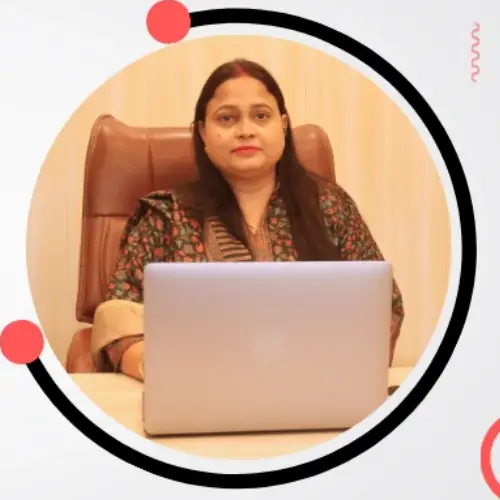
Sapna Kumari is the founder of Sanskriti Fancy Dresses (Since 2018) and a dance teacher who has been closely associated with school cultural programs and stage performances.
Through her work with schools, teachers and parents, she has gained practical experience in planning costumes for annual functions, folk dance performances and fancy dress competitions.
She writes about school costume planning, folk dance dresses and cultural event preparation to help teachers and parents organize stage performances smoothly.
Sapna Kumari has been actively working in the field of school event costumes and cultural performances.
Her experience includes:
costume planning for school annual functions
folk dance costumes for stage performances
fancy dress competition preparation
bulk costume coordination for school events
Through Sanskriti Fancy Dresses, she works closely with teachers, dance instructors and event coordinators to help them arrange costumes efficiently for school programs.