Mizoram Folk Dance Dress looks clean and well-set. When you watch dances like Cheraw (bamboo dance), Khuallam, Chheihlam, Sarlamkai, or Tlanglam, the first thing you notice is how neatly everyone is dressed. No one stands out. Everyone looks part of the group. That is how these dances are meant to be.
These dances came from village life. People danced together during festivals and gatherings. There was no idea of stage or performance earlier. So the clothes had to be light, comfortable, and easy to move in. That is why the dress looks simple and properly worn.
Today, whether it is a school program, a cultural show, or a folk dance performance, this dress works well. It keeps dancers comfortable and makes the group movement look smooth.
About Mizoram Folk Dance Dress – Culture, Background and Meaning
Mizo folk dances are about moving together. The dress supports this. It is not about showing style or decoration. It is about uniformity and comfort.
Traditional Mizo clothes are handwoven. People wear wrap skirts, shawls, and simple upper cloth in daily life. For folk dances, the same clothes are worn more neatly so everyone looks similar.
A few simple things explain this dress style:
- Clothes are light and easy to manage
- Patterns are woven, not printed
- Colours are balanced and not flashy
- Everyone in the group wears almost the same style
Because of this, the focus stays on steps and rhythm, not on costume.
Tribal Influence on Mizoram Folk Dance Dress – Mizo Community Traditions
Most folk dances in Mizoram come from the Mizo community. That is why the costume style looks similar across dances.
The main influence is the traditional woven cloth. It has straight lines and clear colour blocks. These cloths are used as skirts, shawls, and upper garments.
Things you will notice in Mizo folk dress:
- Handwoven fabric is the base
- Straight patterns and borders
- Neat tying and draping
- Uniform look for the whole group
This kind of dressing helps group dances look clean and well-coordinated.
Fabrics Used in Mizoram Folk Dance Costumes and Why They Are Chosen
Fabric choice here is very practical. Dances like Cheraw need quick steps and jumping. So the cloth must not restrict movement.
Most costumes use:
- Handwoven cotton
- Light cotton blends for stage
- Soft fabric that stays in place
Shiny or heavy fabric is avoided. It does not match the simple look and also becomes uncomfortable during dance.
For performances today, cotton blends are commonly used because they are easy to wash and still look traditional.
Types of Folk Dances in Mizoram and Their Costumes
In Mizoram, most folk dances are done in groups. The steps are clean and rhythmic, and everyone moves together. Because of this, the dress does not change too much from one dance to another. Small adjustments are made depending on movement, props, and purpose of the dance.
The main idea stays the same. The costume should be light, neat, and similar for all dancers.
Below are the main folk dances of Mizoram and how the dress is used for each one:
- Cheraw (Bamboo Dance) Folk Dance Dress
- Khuallam Folk Dance Dress
- Chheihlam Folk Dance Dress
- Sarlamkai / Solakia Folk Dance Dress
- Tlanglam Folk Dance Dress
Cheraw (Bamboo Dance) Folk Dance Dress – Movement and Safety First
Cheraw is the most well-known folk dance of Mizoram. Dancers step in and out between bamboo sticks, so the dress must allow quick leg movement and should never be loose.
Women wear wrap skirts with fitted blouses. Men wear trousers or short lower garments with simple shirts or jackets. Shawls are used carefully and tied properly.
Some important things about Cheraw dress:
- Clothes are worn short and neat
- Fabric is light so movement is easy
- No loose dupatta or long cloth
- Footwear is usually avoided
For school and stage programs, the dress is kept very simple to avoid any risk during bamboo movement.
Khuallam Folk Dance Dress – Community Celebration Look
Khuallam is a community dance, so the dress is kept simple and uniform. Everyone dances together, and the costume helps show that unity. There is no heavy styling or individual show.
Men and women wear traditional Mizo woven clothes. Wrap skirts, simple tops, and shawls are common. The shawl is worn neatly and stays in place during movement.
- Handwoven fabric is used
- Dress is light and easy to move in
- Colours are matched for the whole group
- Jewellery is minimal or not used
This dress works well for cultural festivals, group performances, and stage shows because it looks clean and organised.
Chheihlam Folk Dance Dress – Social Dance Clothing
Chheihlam is a social dance where people dance together in a relaxed way. The dress is very close to daily traditional wear.
Men and women wear simple wrap garments and upper cloth. There is no heavy styling.
Key points of Chheihlam dress:
- Everyday-style clothing
- Soft cotton fabric
- No heavy accessories
- Easy movement
Because of its simplicity, this dress is often used for school programs and informal cultural shows.
Sarlamkai / Solakia Folk Dance Dress – Warrior Style Look
Sarlamkai is a warrior-style dance. The steps are strong and energetic, and the dress reflects that.
Men wear traditional lower garments with jackets. Headgear or shoulder cloth may be added to show the warrior theme.
Some features of this dress:
- Strong and firm clothing
- Darker or solid colours
- Simple headgear
- Neat and tight fitting
For performances today, this costume is usually simplified, especially for younger dancers.
Tlanglam Folk Dance Dress – Group Dance Uniformity
Tlanglam is a group dance where coordination matters more than individual expression. The dress is uniform so the group looks organised.
Men and women wear matching traditional Mizo attire. Colours and patterns are kept the same for all dancers.
What stands out in Tlanglam dress:
- Uniform costume for the group
- Light fabric
- Proper tying and draping
- No extra accessories
This dance dress is very suitable for large group performances.
Mizoram Folk Dance Dress for Women
Women’s folk dance dress in Mizoram is very clean and well-arranged. It is not stitched tight or heavy. Most of the clothing is wrapped and tied in a simple way so movement stays easy.
Women usually wear a wrap skirt made from traditional woven cloth. A fitted blouse or simple top is worn with it. A shawl or upper cloth may be added depending on the dance.
How the dress changes slightly with the dance:
- Cheraw: Skirt is worn shorter so leg movement is clear. Shawl is tied firmly or avoided.
- Khuallam: Shawl is commonly used. The look is more festive but still uniform.
- Chheihlam: Very simple dress, close to daily wear.
Mizoram Folk Dance Dress for Men
Men’s folk dance dress in Mizoram is also simple and practical. It allows bending, jumping, and group movement without any problem.
Men usually wear trousers or wrap lower garments with a simple shirt or jacket. Sometimes a shawl or waist cloth is added.
Dance-wise dressing in short:
- Cheraw: Trousers or short lower garment. No loose cloth.
- Sarlamkai: Jacket and headgear may be added for warrior look.
- Tlanglam: Matching dress for the full group.
Colours, Patterns, and Overall Look of Mizoram Folk Dance Dress
Mizoram folk dance dress has a very clear and disciplined look. The colours and patterns come from traditional weaving, not from fashion trends.
You will mostly see:
- Red, black, white, and earthy shades
- Straight lines and geometric woven patterns
- No shine or heavy design
Jewellery, Headgear, and Accessories Used in Mizoram Folk Dances
Mizoram folk dance dress does not use heavy jewellery. Accessories are kept minimal because the dances focus on group movement and coordination. Anything heavy or loose can disturb the steps.
What is commonly used:
- Simple beaded necklaces (sometimes skipped)
- Light earrings
- Shawl or waist cloth as part of the dress, not as decoration
- Headgear only in specific dances like Sarlamkai
Dance-wise use in short:
- Cheraw: No jewellery. Safety and movement come first.
- Khuallam / Tlanglam: Very light accessories if needed, mostly shawls.
- Sarlamkai: Headgear or shoulder cloth to show warrior theme.
For performances, accessories should always be light and properly fixed.
When and Where Mizoram Folk Dance Dress Is Commonly Used
Mizoram folk dance dress is used in many settings, not limited to one type of event.
You will see these costumes in:
- State and tribal festivals
- Cultural programs and folk shows
- Community celebrations
- Dance academy performances
- School and college events
The same dress style works everywhere. Only small adjustments are made based on stage size, lighting, and age of performers.
Mizoram Folk Dance Dress for Kids and School Programs
For children, the dress must be very easy to manage. Many Mizoram dances involve jumping and quick steps, so comfort is important.
How costumes are adjusted for kids:
- Wrap skirts and shawls are pre-stitched
- Cotton or cotton-blend fabric is used
- No loose cloth around legs or shoulders
- Jewellery is avoided
For school programs, Cheraw and Tlanglam style costumes are commonly chosen because they are neat and safe.
Common Mistakes to Avoid While Choosing Mizoram Folk Dance Costumes
Some small mistakes can change the look of the dance.
Avoid these:
- Using shiny or satin fabric
- Adding heavy jewellery
- Mixing costume styles from other states
- Using loose shawls in bamboo dance
- Making each dancer wear a different colour
- Uniformity and simplicity are the key.
Frequently Asked Questions
Q. Which Mizoram folk dance dress is safest for group performances?
A. Cheraw and Tlanglam style costumes are the safest because they are neat and movement-friendly.
Q. Are Mizoram folk dance dresses heavy?
A. No. They are light and designed for long group performances.
Q. Is jewellery compulsory for these dances?
A. No. Most dances use little to no jewellery.
Q. Can these costumes be used for stage shows?
A. Yes. They are commonly used in cultural festivals and folk stage performances.
Q. Are shoes worn in Mizoram folk dances?
A. Most dances are done barefoot for better grip and safety.
Q. Can stitched costumes be used for children?
A. Yes. Stitched versions are often used for comfort and safety.
Q. How early should costumes be arranged?
A. At least one to two weeks before the event.
Q. Can one costume be reused for different programs?
A. Yes. With proper care, these costumes last long and can be reused.
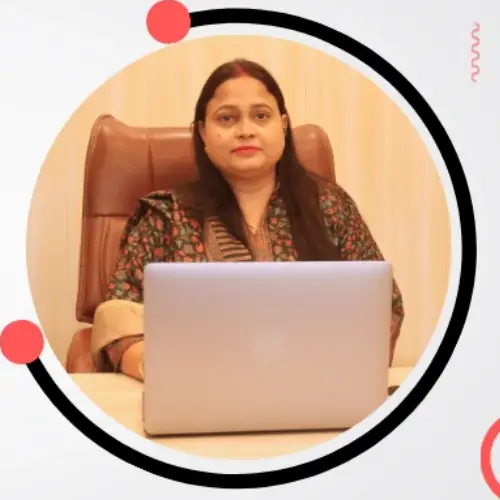
Sapna Kumari is the founder of Sanskriti Fancy Dresses (Since 2018) and a dance teacher who has been closely associated with school cultural programs and stage performances.
Through her work with schools, teachers and parents, she has gained practical experience in planning costumes for annual functions, folk dance performances and fancy dress competitions.
She writes about school costume planning, folk dance dresses and cultural event preparation to help teachers and parents organize stage performances smoothly.
Sapna Kumari has been actively working in the field of school event costumes and cultural performances.
Her experience includes:
costume planning for school annual functions
folk dance costumes for stage performances
fancy dress competition preparation
bulk costume coordination for school events
Through Sanskriti Fancy Dresses, she works closely with teachers, dance instructors and event coordinators to help them arrange costumes efficiently for school programs.