Chheihlam Folk Dance Dress is colorful, festive, and comfortable because the dance itself is relaxed and joyful. Unlike some folk dances that require very strict or heavy costumes, Chheihlam clothing is chosen to allow free movement, quick swaying, and easy participation.
In this dance, performers sit in a circle singing and clapping while one or two dancers step into the center to perform. Because the movement involves spinning, swaying, and expressive hand gestures, the costume must be light and flexible.
The most noticeable piece of clothing in Chheihlam is the Puanchei, a traditional Mizo wrap-around skirt known for its bold red, black, and white patterns. When the dancer turns or sways, the cloth moves with the rhythm of the song, adding to the visual beauty of the performance.
What Is Chheihlam Folk Dance and Where Is It Performed
Chheihlam is not a stage-style dance where everyone performs together in lines. People sit in a circle, sing songs, and clap their hands to create the rhythm.
One dancer then steps into the middle and dances to the beat of the song. After a while another person may take the turn. The whole group becomes part of the performance through singing and clapping.
This dance takes place during festivals, village gatherings, and celebrations such as Kut. Schools and cultural programs also include Chheihlam because the steps are simple and the atmosphere feels lively and joyful.
Why Costume Is Important in Chheihlam Dance
Even though Chheihlam is a joyful and informal dance, the costume still plays an important role. It helps the dancer stand out in the center while also showing the traditional identity of the Mizo community.
A good Chheihlam costume should:
- Allow easy swaying and spinning
- Stay secure during quick movements
- Show traditional Mizo weaving and colors
- Look bright and festive during celebrations
When the dancer moves in the center of the circle, the flowing motion of the Puanchei adds to the energy of the performance. A well-fitted costume makes the dance look neat and lively while keeping the performer comfortable throughout the celebration.
Types of Chheihlam Folk Dance Costumes Used in Performances
Chheihlam is not a strict stage dance. It happens during gatherings, feasts, and festivals, so the costume changes a little depending on the situation.
In village celebrations, people wear their regular festive Mizo clothes. The Puanchei skirt and traditional blouse are already part of celebration wear, so dancers simply wear their best ones.
For stage shows, dance groups prepare matching costumes so everyone looks neat together. The colors and patterns stay traditional, but the pieces are coordinated.
In school performances, the costumes are kept lighter and simpler. Children need to clap, sing, and move quickly, so heavy cloth or big accessories are avoided.
What Is Included in a Complete Chheihlam Folk Dance Dress
A complete Chheihlam folk dance dress mainly includes traditional Mizo clothing pieces that reflect the festive mood of the dance. The costume is colorful but still simple enough to allow free movement.
Women’s costume usually includes:
- Puanchei – a wrap-around skirt with bold striped patterns
- Kawrechi – a traditional blouse with woven designs
- Thihna – bead or stone necklaces
- Vakir ia headgear (sometimes used in stage performances)
Men’s costume usually includes:
- Mizo Puan – a wrap cloth tied around the waist
- Simple shirt or traditional vest
- Puandum shawl (sometimes worn in formal performances)
These items together create the traditional look of the dance. The costume should stay comfortable and secure so the dancer in the center can move easily while the rest of the group sings and claps around them.
Chheihlam Folk Dance Dress for Women
The dancer who steps into the middle of the circle needs clothing that moves nicely with the rhythm. The main piece here is the Puanchei.
The Puanchei is a wrap-around skirt with bold red, black, and white stripes. When the dancer sways or spins, the cloth moves along with the beat of the song. That movement is part of what makes the dance look lively.
On top, women wear a Kawrechi blouse. This blouse has woven patterns around the sleeves or neckline. The designs add color and make the whole outfit look festive.
Chheihlam Folk Dance Dress for Men
Men usually sit around the dancer in a circle and create rhythm by clapping their hands or tapping their knees. Because they stay seated for most of the performance, their costume is simple and comfortable.
The common dress for men includes:
- Mizo Puan – a wrap-around cloth worn around the waist
- Simple shirt or traditional vest
In some stage performances, men may also wear a Puandum shawl draped over the shoulders. This adds a traditional look and matches the colors of the women’s costumes.
Since men provide the rhythm and singing during the dance, the clothing should allow them to sit comfortably and move their arms freely.
Chheihlam Folk Dance Dress for Girls and Boys
Children performing Chheihlam wear smaller and lighter versions of the same costume.
Girls wear:
- Mini Puanchei skirt
- Kawrechi-style blouse
- Light bead necklaces
Boys wear:
- Small Mizo puan wrapped around the waist
- Comfortable shirt or vest
The goal is to keep the traditional look while making sure the costume feels light and easy for children to move in.
Chheihlam Folk Dance Dress for Kids and School Performances
Chheihlam is popular in school cultural programs because it combines singing, clapping, and dancing. For school performances, costumes are usually made simpler and lighter.
Schools often use:
- Lightweight Puanchei made from cotton or blended fabric
- Simple blouses or shirts
- Matching costumes for the whole group
When students sit together in a circle and take turns dancing in the center, coordinated costumes help the performance look organized and traditional.
Fabric Used in Chheihlam Dance Costume and Comfort During Performance
Chheihlam includes fast swaying and spinning, so the fabric should feel light and breathable.
Traditional Mizo clothing uses hand-woven cotton, which feels comfortable during long celebrations.
For stage shows and school performances, dancers may wear:
- Cotton fabric
- Cotton-blend cloth
- Lightweight woven material
These fabrics allow the costume to move naturally with the dancer while keeping the performer comfortable during the performance.
Jewellery, Headgear, and Accessories Used in Chheihlam Costume
Chheihlam costumes don’t depend on heavy jewellery. Accessories are kept simple so the dancer can move freely.
Women often wear Thihna necklaces, made with beads, stones, or amber. These necklaces add color and match the festive look of the Puanchei.
For stage performances, some dancers wear the Vakiria headgear. This headpiece is made from bamboo strips and decorated with feathers and beads. It helps the dancer in the middle stand out clearly.
Men sometimes wear a Puandum shawl across the shoulders during cultural shows. The red and black stripes match the traditional Mizo style.
How the Puanchei Movement Shapes the Look of the Dance
Puanchei plays an important role in the visual style of Chheihlam dance. Since the dancer moves in the center of a circle, the motion of the skirt becomes very noticeable.
When the dancer sways or spins, the Puanchei moves with the rhythm of the song. The bold stripes of the cloth make the movement easy to see, even from a distance.
This flowing movement adds energy to the performance and matches the rhythm created by clapping and singing.
Difference Between Daily Mizo Traditional Wear and Chheihlam Dance Costume
Daily traditional clothing and dance costumes may look similar, but they are used differently.
| Daily Traditional Wear | Chheihlam Dance Costume |
|---|---|
| Worn for everyday use | Worn during celebrations and performances |
| Simple styling | Bright and festive look |
| Minimal accessories | Decorative jewellery or headgear |
| Individual dressing | Group coordinated costume |
Dance costumes are usually chosen more carefully so the performance looks colorful and organized.
Difference Between Village Celebration Costume and Stage Performance Costume
Costumes used during village celebrations and those used on stage may have small differences.
| Village Costume | Stage Costume |
|---|---|
| Traditional hand-woven cloth | Sometimes lighter fabric |
| Natural accessories | Lightweight stage accessories |
| Individual style | Matching group costumes |
| Less focus on visual effect | Designed for audience visibility |
Stage performances usually focus more on uniformity and visual impact.
Common Mistakes While Choosing Chheihlam Folk Dance Dress
Some common mistakes can affect how the dance looks on stage.
These include:
- Choosing heavy fabric that restricts movement
- Wearing loose clothing that slips during dancing
- Using mismatched colors in group performances
- Adding too many modern accessories
- Ignoring proper traditional patterns
Frequently Asked Questions
Q. What is the main dress used in Chheihlam dance?
A. The main dress is the Puanchei, a traditional Mizo wrap-around skirt with bold red, black, and white stripes. The cloth moves nicely when the dancer sways in the center.
Q. What blouse is worn with the Puanchei?
A. The Kawrechi blouse. It has woven designs on the sleeves or around the neckline and matches the festive look of the skirt.
Q. What do men wear during Chheihlam?
A. Men wear a Mizo puan tied around the waist with a simple shirt or vest.
Q. Is headgear part of the costume?
A. Some performances include the Vakiria headpiece for decoration.
Q. Can children perform Chheihlam dance?
A. Children perform the dance in schools with lighter versions of the same costume.
Q. What fabric works best for Chheihlam costumes?
A. Cotton or light woven fabric keeps the costume comfortable and easy to move in.
Q. Is jewellery worn with this costume?
A. Dancers sometimes wear Thihna bead necklaces to add color to the outfit.
Q. Can modern clothes replace the traditional dress?
A. Traditional Mizo clothing keeps the dance connected to its cultural roots and helps the performance look authentic.
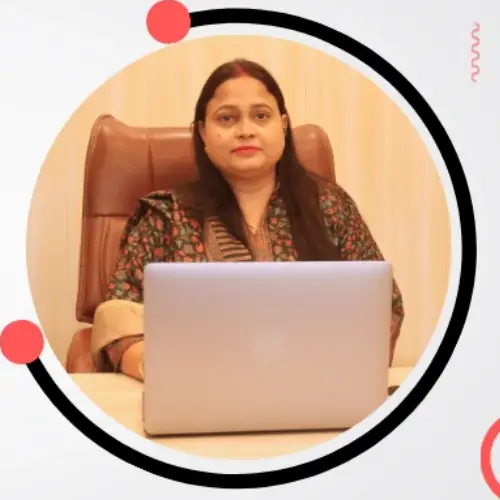
Sapna Kumari is the founder of Sanskriti Fancy Dresses (Since 2018) and a dance teacher who has been closely associated with school cultural programs and stage performances.
Through her work with schools, teachers and parents, she has gained practical experience in planning costumes for annual functions, folk dance performances and fancy dress competitions.
She writes about school costume planning, folk dance dresses and cultural event preparation to help teachers and parents organize stage performances smoothly.
Sapna Kumari has been actively working in the field of school event costumes and cultural performances.
Her experience includes:
costume planning for school annual functions
folk dance costumes for stage performances
fancy dress competition preparation
bulk costume coordination for school events
Through Sanskriti Fancy Dresses, she works closely with teachers, dance instructors and event coordinators to help them arrange costumes efficiently for school programs.