Langvir folk dance dress is very different from other dance costumes. It is not made for decoration. It is made for safety, grip, and movement. This dance comes from the Garhwal region of Uttarakhand. It is a high-energy performance where the dancer climbs a tall bamboo pole and performs balancing acts at the top.
Because of this, the costume must be very practical. It should not be loose or heavy. It should fit close to the body. The dress is usually simple. It includes a short dhoti or tight pajama, a vest or bare upper body, and a strong waist sash.
The focus is on flexibility, grip and comfort. Bright colors like red, saffron, and white are used so the dancer is clearly visible from below.
Every part of the costume is designed to support balance and safety during the performance.
What Is Langvir Folk Dance and Where Is It Performed
Langvir is a traditional folk dance from Uttarakhand. It is mainly seen in the Garhwal region. This dance is unique because it is performed on a tall bamboo pole. The dancer climbs the pole and performs acrobatic movements on top.
The performance includes climbing, balancing
spinning and holding body weight on the stomach. It requires strength and control. Langvir is usually performed during:
- Baisakhi festival
- village fairs (mela)
- cultural programs
The dancer performs while musicians play dhol, damau and ransingha. The audience watches from below. Because the dancer is at a height, the costume must be visible, secure and safe. This makes the costume very different from other folk dances.
Why Costume Is Important in Langvir Folk Dance
In Langvir dance, costume is not just about looks. It is about performance and safety. The dancer climbs a pole and performs risky movements. So the costume must not create any problem.
The dress should be tight and fitted, lightweight and free from loose parts. Loose clothing can get stuck or create imbalance.
The fabric should allow good grip. This helps the dancer hold the pole properly. The kamarband supports the waist and core. It helps maintain balance during spins.
The headband keeps sweat away from the eyes. This is important for focus. Even small details matter. A wrong costume can affect performance. So choosing the right Langvir folk dance dress for performance is very important.
Types of Langvir Folk Dance Costumes (Traditional and Stage Versions)
Langvir costume is mostly simple. But there are two main variations.
Traditional Costume
This is used in real village performances. It includes:
- short dhoti or tight pajama
- bare chest or simple vest
- strong kamarband
- headband
The focus is on function and safety.
Stage Costume
This is used in festivals and stage shows. It may include:
- brighter colors
- slightly decorated outfit
- better finishing
But the design stays tight and simple.
What Is Included in a Complete Langvir Folk Dance Dress
Langvir costume is simple but very functional. Every part has a clear purpose. Nothing extra is added. A complete Langvir folk dance dress includes:
- short dhoti or tight pajama
- vest or bare upper body
- kamarband (waist sash)
- headband or bandana
- ghungroo
- optional hand or body wraps
Each item supports movement and safety. The costume must stay close to the body. Loose cloth can create problems during climbing or spinning. The design is made for better grip on the pole, free body movement and balance at height.
The costume should not feel heavy. It should allow the dancer to focus only on performance. Everything is kept simple but strong.
Langvir Folk Dance Dress for Men
The men’s costume is the main traditional outfit. It is designed for physical performance.
Lower Wear (Dhoti or Pajama)
The dancer wears short dhoti or tight pajama. It should be well fitted, not loose and easy to adjust. This helps in gripping the pole with legs.
Upper Wear (Vest or Bare Body)
The upper body is bare or covered with a tight vest. This improves friction with the bamboo pole. Loose clothes are avoided.
Kamarband (Waist Sash)
A strong cloth is tied around the waist. It is usually red or yellow. It helps support the core, keep the outfit in place and add traditional look. The knot should be tight and secure.
Langvir Folk Dance Dress for Kids and School Performances
In schools, safety is the main concern. A typical Langvir folk dance dress for kids for school performance includes lightweight fabric, stitched and secure outfit, simple headband and light ghungroo.
The pole used is also shorter and safer. Teachers focus on proper fitting, easy movement and no loose cloth.
Fabric Used in Langvir Dance Costume and Grip Comfort
Fabric is very important in Langvir dance. It should help in grip and comfort. Traditional fabric used is cotton. It is breathable, soft and good for grip. It absorbs sweat and keeps the body comfortable.
Modern costumes may use cotton blends and stretch fabric. The fabric should not be slippery, not feel heavy and allow easy movement. Good fabric helps the dancer perform better and safely.
Dhoti / Pajama Style and Fit for Pole Movement
The style of lower wear is very important. The dhoti is usually short and tightly wrapped. The pajama is narrow and stretchable. Both are designed to allow leg grip, avoid loose cloth and support climbing.
If the cloth is loose, it can get stuck or affect balance. If it is too tight, it can restrict movement. So the fit must be perfect. A good fit improves control and safety.
Kurta / Vest or Bare Upper Body – What Is Preferred
In Langvir dance, the upper body clothing is very important for grip. Many dancers prefer to keep the upper body bare or covered with a tight vest (banyan). This helps create better friction with the bamboo pole.
Loose clothing is not used. It can slip on the pole, reduce grip and disturb balance. A tight vest is sometimes used for comfort. It should be well fitted, stretchable and not loose.
The goal is to keep the body stable while performing on height. The choice depends on comfort. But safety and grip always come first.
Kamarband (Waist Sash) and Core Support
The kamarband is one of the most important parts of the costume. It is tied tightly around the waist. It is usually bright red or yellow. It serves many purposes.
It helps in supporting the core, maintaining posture
keeping the lower garment secure. It also gives a traditional look.
During spinning and balancing, the core plays a big role. The kamarband adds extra support. It should be tied properly. It should not loosen during performance. A strong knot is very important.
Headband or Bandana and Sweat Control
Instead of a heavy turban, dancers wear a headband. It is light, tightly tied and comfortable. The main purpose is to absorb sweat and keep eyes clear. During performance, focus is very important.
Sweat in the eyes can cause loss of balance. The headband also keeps hair in place. It should be tight but comfortable and not slipping. This small piece plays a big role in safety.
Ghungroo (Ankle Bells) and Their Role in Rhythm
Ghungroo are tied around the ankles. They create sound with movement. Even when the dancer is high on the pole, the sound reaches the audience.
They help in maintaining rhythm, matching drum beats and adding energy to performance. The bells are usually light. They should not feel heavy or restrict movement.
They must be tied properly. Loose ghungroo can disturb balance.
Barefoot Performance and Grip Technique
Langvir dance is usually performed barefoot. Bare feet help in better grip on the pole, strong contact with surface and better control. Shoes are not preferred. They can slip.
The toes play an important role in gripping the pole. The dancer uses feet, legs and body pressure for balance. Barefoot performance increases stability.
Hand and Body Protection (Cloth Wraps, Palm Grip)
Climbing a bamboo pole can cause friction. To avoid injury, some protection is used. Dancers may use cloth wraps on palms and light padding on stomach
This helps in avoiding cuts, preventing splinters and improving grip. The protection should be thin, flexible and not bulky. Too much padding can reduce grip. The balance between protection and performance is important.
Color Selection and Visibility from Height
Color plays an important role in Langvir dance. The dancer performs at height. So the costume must be visible from far. Common colors includes saffron, red and white
These colors are bright, easy to see and traditional. The contrast with sky makes the dancer clearly visible. The color choice should be simple but strong.
How Schools and Dance Groups Choose the Right Langvir Folk Dance Dress
Schools need safe and easy costumes. They focus on lightweight fabric, proper fitting, no loose cloth and comfortable design.
Teachers also ensure costume supports movement, students feel confident and everything stays secure. The bamboo pole used is usually shorter more stable. Sometimes practice is done on ground before actual performance.
Common Mistakes While Choosing Langvir Folk Dance Dress
Some mistakes can be risky in this dance. One common mistake is loose clothing. It can get stuck or cause imbalance. Another mistake is slippery fabric. It reduces grip.
Other mistakes include weak kamarband, loose headband
heavy ghungroo and wrong size costume. Avoiding these mistakes is very important for safety.
The costume should always support performance, not disturb it.
Frequently Asked Questions
Q. What is the main dress in Langvir dance?
A. The dress consists of dhoti or pajama, vest (or bare upper body), and kamarband.
Q. Why is tight clothing used?
A. Tight-fitting clothing provides a grip and helps prevent accidents.
Q. What fabric is used in Langvir costume?
A. Cotton is commonly used for comfort and grip.
Q. Do dancers wear shoes?
A. No, dancers usually perform barefoot to provide better grip.
Q. What is the role of kamarband?
A. The kamarband is used for support to the waist and will hold in the rest of the outfit also.
Q. Can Langvir be performed in schools?
A. Yes, but with safety measures and lighter setup.
Q. Why are bright colors used?
A. They make the dancer visible from height.
Q. What makes Langvir costume unique?
A. Its tight, simple design made for acrobatic performance makes it unique.
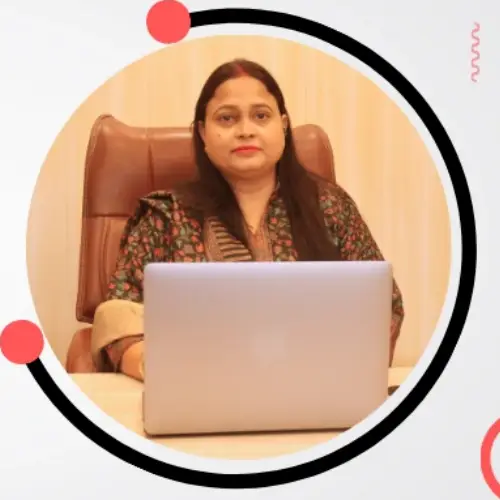
Sapna Kumari is the founder of Sanskriti Fancy Dresses (Since 2018) and a dance teacher who has been closely associated with school cultural programs and stage performances.
Through her work with schools, teachers and parents, she has gained practical experience in planning costumes for annual functions, folk dance performances and fancy dress competitions.
She writes about school costume planning, folk dance dresses and cultural event preparation to help teachers and parents organize stage performances smoothly.
Sapna Kumari has been actively working in the field of school event costumes and cultural performances.
Her experience includes:
costume planning for school annual functions
folk dance costumes for stage performances
fancy dress competition preparation
bulk costume coordination for school events
Through Sanskriti Fancy Dresses, she works closely with teachers, dance instructors and event coordinators to help them arrange costumes efficiently for school programs.