Dalkhai Folk Dance Dress is the outfit worn in the Dalkhai dance of Odisha. This dance is mostly seen in Western Odisha, especially around Sambalpur.
The dance is energetic. It is usually performed by young women. You will often see it during festivals like Bhaijiuntia and Dussehra.
The costume is very important in this dance. The main clothing piece is the Sambalpuri saree with traditional Ikkat patterns. Dancers also wear silver jewelry. Fresh flowers are placed in the hair. Sometimes a colorful scarf is also used.
In this article, we will look at the different parts of the Dalkhai folk dance dress and how the costume is worn during the dance.
What is Dalkhai Folk Dance?
Dalkhai is a well-known folk dance from the state of Odisha. It is especially popular in the western region of the state. Many people connect this dance with the Sambalpur area.
The dance is lively and full of energy. Dancers move in groups and follow strong rhythmic steps. Traditional songs are sung during the performance.
Most of the performers are young women from village communities. The dance is usually seen during festivals and celebrations. Two festivals where Dalkhai is commonly performed are Bhaijiuntia and Dussehra.
During the dance, the performers often shout the word “Dalkhai!” between the verses of the song. This is how the dance got its name.
Music plays an important role in the performance. Traditional instruments such as dhol, nisan, and tamki create the beat for the dancers.
Where Dalkhai Dance Comes From
Dalkhai dance started in Western Odisha, mainly in the Sambalpur region. Over time, it spread to nearby areas such as Bargarh, Balangir, and Jharsuguda.
The dance is closely linked to village life and local traditions. Many of the songs talk about everyday experiences, nature, and community life.
In the past, the dance was mainly performed by women from rural and tribal communities. Some of these groups include:
- Binjhal
- Kuda
- Mirdha
- Sama
Why the Dalkhai Dance Dress is Important
The costume used in Dalkhai dance is bright and colorful. It helps the audience easily recognize the dance style. The main clothing piece is the Sambalpuri handloom saree, also known as Kapta.
These sarees are famous for their Ikkat tie-and-dye patterns. The designs are created during the weaving process. Some common patterns include:
- Shell designs
- Wheel motifs
- Floral shapes
The colors used in the costume are usually bright and bold. The most common ones are:
- Red
- Orange
- Black
These colors make the dancers stand out during the performance.
Sambalpuri Saree (Kapta) in Dalkhai Dance
The most important clothing piece in Dalkhai dance is the Sambalpuri saree, often called Kapta. This saree gives the dance its traditional look.
Sambalpuri sarees are famous for their Ikkat weaving technique. In this method, the threads are dyed before they are woven into cloth. This creates clear and beautiful patterns in the fabric.
These sarees usually have traditional designs such as:
- Shell motifs
- Wheel patterns
- Floral shapes
The patterns are simple but very eye-catching.
The colors used in Dalkhai sarees are usually bright and bold. The most common colors include:
- Red
- Orange
- Black
These colors help the dancers stand out on stage. They also represent energy and the connection with the earth.
The saree is the centerpiece of the entire costume. Once the saree is worn, the rest of the dress is built around it.
Blouse Used with the Dalkhai Saree
The saree is paired with a blouse. The blouse can either match the saree color or create a contrast.
In earlier times, blouses were very simple. They were made from plain cloth and had basic designs.
Today, especially in stage performances, blouses sometimes include small decorative details such as:
- Mirror work
- Embroidered sleeve borders
- Decorative stitching
These details help the blouse match the decorative end of the saree, which is known as the palla.
How the Saree is Draped for Dance
The saree in Dalkhai dance is worn a little differently from everyday saree styles. The draping is adjusted so the dancer can move easily.
First, the saree is wrapped firmly around the waist. It is then kept knee-length instead of full length. This makes it easier for the dancer to perform strong footwork.
The decorative end of the saree, called the palla, is placed neatly over the shoulder. It stays secure during the performance.
This style of draping allows the dancer to move freely while still keeping the traditional appearance of the Sambalpuri saree.
Traditional Jewelry in Dalkhai Dance
Jewelry is an important part of the Dalkhai dance costume. It completes the traditional look of the dancer.
Most of the jewelry used in this dance is made from silver or silver-plated metal. In earlier times, these ornaments were part of everyday traditional wear in rural Odisha.
Some common jewelry pieces worn by Dalkhai dancers include:
- Khagala – a thick silver neck ring worn close to the neck
- Beaded necklaces – simple layered necklaces that add color
- Jhalka earrings – large traditional ear studs
Hairstyles and Flower Decorations
Hair styling is another important part of the Dalkhai dance appearance.
Most dancers tie their hair in a neat bun at the back of the head. This keeps the hair secure while performing energetic steps.
The bun is then decorated with fresh flowers. The most common flowers used are:
- Jasmine
- Marigold
These flowers create a beautiful and natural look. They also add fragrance and color to the costume.
The Scarf (Uttariya) in Dalkhai Dance
Another element sometimes used in Dalkhai dance is the Uttariya, which is a decorative scarf. The Uttariya helps make the movements look more graceful.
Dancers often use the scarf to:
- Emphasize arm movements
- Create flowing motions during turns
- Add color contrast to the costume
Fabrics, Colors, and Patterns in Dalkhai Dance Dress
Dalkhai dance costume mainly uses handloom fabric. The most common material is cotton. Sometimes silk is also used for special performances.
Sambalpuri sarees are known for their Ikkat weaving technique. In this method, the threads are dyed before the cloth is woven. This creates clear and detailed patterns in the fabric.
Some common design motifs include:
- Shell patterns
- Wheel designs
- Floral shapes
These patterns are part of the traditional handloom style of Western Odisha.
The colors used in Dalkhai costumes are usually bright and bold. Some of the most common colors are:
- Red
- Orange
- Black
Red and orange represent energy and celebration. Black creates contrast and makes the patterns stand out.
Dalkhai Dance Costume for School and Stage Performances
Dalkhai dance is often performed in schools, cultural festivals, and folk dance competitions. Some common adjustments include:
- Lighter cotton sarees instead of heavy fabric
- Artificial jewelry instead of real silver ornaments
- Simplified hairstyles and flower decorations
- Blouses with decorative mirror work for stage effect
Common Mistakes When Choosing Dalkhai Dance Dress
Sometimes people preparing a performance make small mistakes with the costume. This usually happens when the traditional details are not fully understood.
Some common mistakes include:
- Using sarees that are not Sambalpuri style
- Ignoring the traditional Ikkat patterns
- Choosing very bright synthetic fabrics that look unnatural
- Adding too many modern decorations
Keeping the costume simple and close to the traditional style usually works best.
Frequently Asked Questions
Q. What is the main clothing piece in Dalkhai dance costume?
A. The Sambalpuri saree, also known as Kapta, is the main item of clothing.
Q. What is the reason for using shorter lengths of saree when performing Dalkhai dance?
A. The shorter length allows dancers to make fast and precise movements using footwork.
Q. What kind of jewelry do the dancers wear while performing Dalkhai dance?
A. The dancers typically wear silver jewelry such as Khagala neck rings, jhalka earrings and necklaces made with beads.
Q. Which flowers are placed in a dancer’s hair?
A. Jasmine and marigold flowers are the most commonly used types of flowers to adorn the dancer’s bun.
Q. What is the Uttariya in Dalkhai dance?
A. The Uttariya is a decorative scarf that is held by the hands of the dancers or placed on their shoulders while dancing.
Q. What colors are typically used in clothing for Dalkhai dance?
A. The colors that are commonly seen in clothing for Dalkhai dance are red, orange and black.
Q. Is Dalkhai dance only performed in rural areas?
A. No, Dalkhai dance is also performed in schools, festivals and cultural events today.
Q. Are original Dalkhai costume pieces made by hand?
A. Yes, original Dalkhai costume pieces are manufactured by hand from traditional Sambalpuri sarees woven using an Ikkat technique.
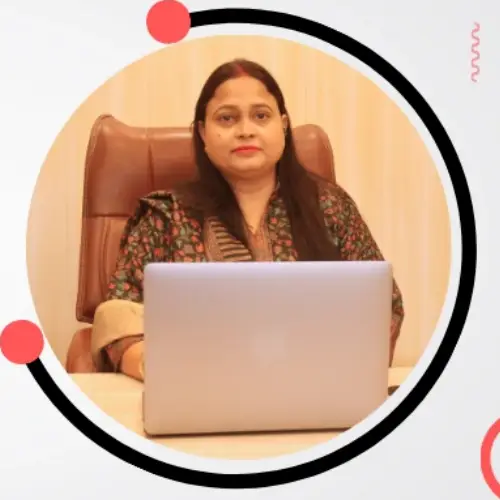
Sapna Kumari is the founder of Sanskriti Fancy Dresses (Since 2018) and a dance teacher who has been closely associated with school cultural programs and stage performances.
Through her work with schools, teachers and parents, she has gained practical experience in planning costumes for annual functions, folk dance performances and fancy dress competitions.
She writes about school costume planning, folk dance dresses and cultural event preparation to help teachers and parents organize stage performances smoothly.
Sapna Kumari has been actively working in the field of school event costumes and cultural performances.
Her experience includes:
costume planning for school annual functions
folk dance costumes for stage performances
fancy dress competition preparation
bulk costume coordination for school events
Through Sanskriti Fancy Dresses, she works closely with teachers, dance instructors and event coordinators to help them arrange costumes efficiently for school programs.