Rangma Folk Dance Dress is closely connected to the traditions of the Rengma tribe of Nagaland, one of the well-known Naga communities in Northeast India. When people watch this dance for the first time, they usually notice the powerful movements, the spears, and the colorful shawls. But in reality, the costume is doing just as much storytelling as the dance itself.
Among the Rengma people, clothing has always carried meaning. It isn’t just decoration. The patterns, colors, and ornaments tell you something about the dancer their status in the community, their family background, and sometimes even their achievements.
Rengmas were historically known as strong warriors and hardworking agriculturists. Because of this history, many of their dances celebrate courage, victory, and unity within the village. The Rangma dance is one such performance. It is usually performed during festivals or gatherings where the whole community participates.
Why the Rangma Dress is More Than Just a Costume
When people think about folk dance costumes, they often imagine colorful outfits made only for stage performances. With Rangma dance, the idea is quite different. Clothing reflects achievements:
In earlier times, certain shawl patterns could only be worn by people who had completed important responsibilities within the community.
The Feast of Merit tradition:
One of the most respected achievements was hosting a large village feast known as the Feast of Merit.
- It required significant resources and effort.
- People who completed it were allowed to wear special shawl designs.
Ornaments also carry meaning:
- Boar tusks represent strength and bravery.
- Hornbill feathers symbolize honor and prestige.
- Bead necklaces often indicate wealth or family heritage.
Because of these meanings, the Rangma dress is not just clothing for a performance. It represents culture, history, and identity.
Rangma Folk Dance Dress for Men – The Warrior Look
The men’s costume in Rangma dance is meant to look strong and bold. It reflects the old warrior traditions of the Rengma tribe. When the dancers enter the stage, their outfit immediately gives that powerful tribal look.
The most important part is the Rengma shawl, also called Mhong. It usually has a dark base color like black or deep blue. Across the cloth, you will see wide red bands. These patterns were not just decoration in earlier times. They often showed a man’s status in the community.
Another striking element is the headgear. It is traditionally made from cane. Boar tusks and hornbill feathers are attached to it. The feathers move when the dancer jumps or turns. This movement makes the performance more lively.
Men also wear armlets and leggings. These may be made of brass, ivory, or woven cane. They add detail to the costume and highlight the dancer’s movements.
Many dancers also carry a spear. In the past, it symbolized bravery and warrior skill. In the dance, it becomes part of the performance. The steps often include spear movements.
Rangma Folk Dance Dress for Women – The Weavers of Identity
If you watch a Rangma dance performance carefully, you’ll notice something interesting. The men’s costume looks bold and warrior-like, but the women’s costume feels very different. It’s more about color, weaving, and jewelry.
That difference reflects real life in the Rengma community. Women are traditionally known for their exceptional weaving skills. In fact, much of the tribe’s textile identity comes from the work of women who weave shawls, wrappers, and cloth patterns at home.
So when women perform the Rangma dance, their costume quietly shows this artistry.
Instead of weapons or warrior symbols, their dress focuses on:
- Handwoven textiles
- Bright bead jewelry
- Traditional ornaments
- Decorative headbands
The Traditional Wrapper (Skirt)
The most important garment in the women’s costume is the wrapper, which is basically a wrap-around skirt.
This skirt is handwoven and usually has a dark base color, most commonly black. What makes it stand out are the colorful horizontal stripes woven into the fabric.
Typical features of the wrapper include:
- A black base cloth
- Bright red and yellow stripes running across the fabric
- Strong cotton weaving that holds its shape during movement
Necklaces and Bead Jewelry
One thing people quickly notice about the women’s Rangma costume is the amount of jewelry worn during the dance.
The necklaces are usually layered, colorful, and quite bold. They are not meant to be subtle.
One of the most recognizable ornaments is the Carnelian bead necklace.
These beads are usually:
- Bright orange
- Deep reddish-orange
- Smooth and slightly shiny
Women often wear several strands of these beads at the same time, creating a thick layered necklace that covers a good part of the upper chest.
Headbands and Hair Decorations
Another small but important detail in the women’s costume is the headband.
Compared to the men’s dramatic headgear, women’s headbands are much simpler. But they still add charm to the overall appearance.
Common types of headbands include:
- Beaded headbands
- Woven cloth bands
- Decorative bands with small natural elements
Sometimes dancers also decorate the headband with fresh forest flowers or seeds, which adds a natural touch to the costume.
Brass Bangles and Earrings
Women also wear brass ornaments, which are another recognizable part of the Rangma costume.
Typical jewelry pieces include:
- Heavy brass bangles worn on the wrists
- Traditional brass earrings
These ornaments are not only decorative. Because brass jewelry has weight, it moves slightly as the dancer performs.
Rangma Folk Dance Dress for Children
In many Rengma villages, traditional culture is not something children learn only when they grow up. Kids are introduced to their customs quite early, especially during community festivals.
The children’s Rangma dance costume usually includes:
- A smaller version of the traditional shawl
- Lightweight headgear or cloth caps
- Simple bead ornaments
- Safe practice props for the dance
Simplified Shawls for Young Boys
When children perform Rangma dance, their costumes are usually lighter and simpler than the adult versions. But the basic idea remains the same so that kids can still learn about their cultural traditions.
Young boys wear a smaller version of the tribal shawl. These shawls follow the same general color patterns used by the Rengma community, usually combinations of black, red, or dark blue.
The designs are simpler, but they still reflect the traditional style. The shawl is draped across the shoulders just like the adult costume.
Lightweight Headgear for Kids
The traditional headgear worn by adult men can be quite heavy because it includes cane structures, tusks, and hornbill feathers.
For children, a lighter version is usually used.
These may include:
- Cloth caps decorated with beads
- Simple headbands with a single feather
- Lightweight decorative pieces inspired by the traditional helmet
This keeps the look similar to the original costume while making it easier for children to move during the dance.
Safe Dance Props for Practice
Spears are an important part of Rangma dance. But children do not use real spears when learning. They practice with light bamboo sticks. During practice, children learn basic actions such as:
- Moving the stick forward
- Pulling it back in rhythm
- Coordinating with other dancers
Fabrics, Colors, and Patterns Used in Rangma Dance Dress
Traditional Rangma clothing was originally handwoven. Most fabrics were made from cotton.
The colors used in these costumes are simple but striking.
Common colors include:
- Black or deep blue as the base
- Red stripes across the cloth
- Yellow or orange highlights
The patterns appear as bold stripes or geometric designs. These designs come from traditional weaving techniques passed down through generations.
Common Mistakes When Choosing Rangma Dance Costume
Sometimes people preparing a dance performance make small mistakes with the costume.
These mistakes usually happen when the traditional details are not understood properly.
Some common ones include:
- Using random tribal patterns that do not belong to the Rengma tribe
- Ignoring the traditional shawl design
- Adding too many artificial decorations
- Using shiny synthetic fabrics that look very modern
Keeping the costume simple and close to the traditional design usually works best.
Rangma Dance Dress for School and Stage Performances
Rangma dance is often performed at schools and cultural festivals. Some common changes include:
- Lighter fabrics for easier movement
- Simplified headgear
- Artificial bead jewelry instead of heavy original ornaments
- Bamboo sticks instead of real spears
Frequently Asked Questions
Q. What is the most important clothing item in Rangma dance dress?
A. The Rengma shawl is the most important piece. Its design and colors represent tradition and community identity.
Q. Why do males use spears in the Rangma dance?
A. The spear symbolises the Rengma Tribe’s warrior heritage and is also a prop in the dancing movements.
Q. What jewelry do women wear in Rangma dance?
A. Women wear layered bead necklaces, Carnelian beads, shell necklaces, and brass bangles.
Q. What colors are commonly used in Rangma dance costume?
A. Black, deep blue, red, and yellow are the primary colours used.
Q. Do children wear the same costume as adults?
A. The children wear clothing with simpler designs and use smaller shawls and simpler accessories than adults.
Q. When is Rangma dance performed?
A. It is usually performed during festivals, harvest celebrations, and cultural events.
Q. Are Rangma dance clothes handmade?
A. Traditionally, many garments such as shawls and wrappers were handwoven by women in the community.
Q. Why are hornbill feathers used in the headgear?
A. Hornbill feathers are symbols of honor and prestige in many Naga tribal traditions.
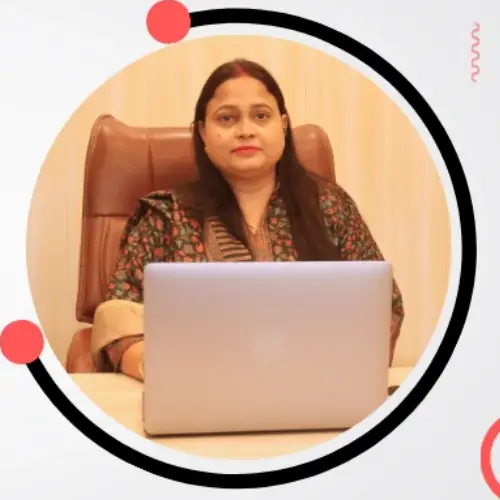
Sapna Kumari is the founder of Sanskriti Fancy Dresses (Since 2018) and a dance teacher who has been closely associated with school cultural programs and stage performances.
Through her work with schools, teachers and parents, she has gained practical experience in planning costumes for annual functions, folk dance performances and fancy dress competitions.
She writes about school costume planning, folk dance dresses and cultural event preparation to help teachers and parents organize stage performances smoothly.
Sapna Kumari has been actively working in the field of school event costumes and cultural performances.
Her experience includes:
costume planning for school annual functions
folk dance costumes for stage performances
fancy dress competition preparation
bulk costume coordination for school events
Through Sanskriti Fancy Dresses, she works closely with teachers, dance instructors and event coordinators to help them arrange costumes efficiently for school programs.