Veeragase folk dance dress is bold, intense, and instantly noticeable. This is not a soft or decorative costume. It is designed to show strength, aggression, and devotion at the same time.
When a dancer wears this costume, they are not just performing steps, they are representing the fierce energy of Lord Veerabhadra.
You will mostly see this dress during temple festivals, religious processions, village events, and now in school and cultural stage programs.
What Is Veeragase Folk Dance and Where Is It Performed
Veeragase is a traditional folk dance from Karnataka that is known for its strength and high energy. It is mainly performed during temple festivals and religious events, especially those connected to Lord Shiva and Veerabhadra. You will usually see this dance in temple premises, village streets, or open festival grounds, with powerful drum beats setting the pace.
The movements are fast and forceful, with jumps, knee lifts, and strong foot stamping. Since the dance happens in open spaces and in front of large crowds, everything about it including the costume is made to look bold and easy to notice from a distance.
Why Costume Is Important in Veeragase Folk Dance
In Veeragase, the costume carries meaning and function. The costume is important because:
- Movements are fast, aggressive, and high-energy
- The dance involves jumps, knee lifts, and stomping
- The character represents a warrior-saint, not an ordinary person
The saffron dhoti allows free leg movement. The rudraksha beads and vibhuthi connect the dancer to Shiva traditions. The waist belt keeps everything secure during intense movement.
Without the proper Veeragase folk dance dress, the dance loses both safety and visual impact.
Types of Veeragase Folk Dance Costumes
Veeragase does not have many costume variations. There is one main traditional costume, and any changes you see are usually for safety or stage convenience, not style.
The costume may look slightly different based on:
- Temple or ritual performance
- Stage, school, or competition performance
- Age of the performer
But the core elements remain the same in every Veeragase performance.
What Is Included in a Complete Veeragase Folk Dance Dress
A complete Veeragase folk dance dress is simple in parts but strong in impact. Every item is worn for a reason either to support movement or to show devotion.
A full costume usually includes:
- Kavi Dhoti – a saffron or orange dhoti tied tightly in Kachche style for free leg movement
- Rudraksha Maale – multiple strands of rudraksha beads worn across the chest and neck
- Vibhuthi-Peta – a saffron turban, often with sacred ash marking on the forehead
- Odyana (Waist Belt) – a thick belt that keeps the dhoti secure during fast steps
- Lingadevaru plaque – a metal or lightweight plaque showing Lord Veerabhadra, worn or carried
When these pieces are worn properly, the dancer looks and moves like a true Veeragase performer strong, stable, and fully in character.
Kavi Dhoti and Why It Is Worn This Way
The saffron Kavi Dhoti is tied tightly and tucked between the legs.
This style is important because:
- It allows high knee lifts and jumps
- It prevents cloth from loosening during fast movement
- It keeps the legs clearly visible
Loose draping does not work for Veeragase and can be unsafe.
Rudraksha Beads and Chest Appearance
Rudraksha beads are not decorative jewellery.
- They are worn in multiple heavy strands
- Cover the chest and neck area
- Represent devotion to Lord Shiva
The weight also helps keep the upper body grounded during aggressive steps.
Vibhuthi-Peta (Headgear)
The headgear is usually a large saffron turban.
- Tied firmly around the head
- Marked with a horizontal stripe of vibhuthi (sacred ash) on the forehead
- Adds height and authority to the dancer’s appearance
For stage performances, the turban is often pre-stitched for stability.
Waist Belt (Odyana) and Its Role
The Odyana is a thick waist belt.
- Holds the dhoti in place
- Supports the lower back
- Prevents costume shifting during vigorous movement
Without a strong waist belt, the costume will not stay secure.
Lingadevaru Plaque and Symbolism
Many dancers wear or carry a Lingadevaru plaque.
- Made from silver or brass
- Shows Lord Veerabhadra
- Acts like a shield or chest ornament
In school performances, this is often lighter or symbolic rather than heavy metal.
Veeragase Folk Dance Dress for Men
The dress for men in Veeragase is the full traditional warrior look. Adult performers usually wear the complete costume without reduction.
Men’s costume includes:
- Bright saffron Kavi Dhoti tied tightly in Kachche style
- Multiple heavy Rudraksha Maale across chest and neck
- Large Vibhuthi-Peta tied firmly on the head
- Thick Odyana waist belt
- Lingadevaru plaque worn on the chest or held during the dance
This costume is designed to handle aggressive movements, jumps, and fast footwork without slipping.
Veeragase Folk Dance Dress for Boys and School Performances
For dress for boys and school programs, the costume keeps the same look but reduces weight.
Common adjustments include:
- Lighter rudraksha bead strands
- Pre-stitched or elastic dhoti
- Smaller turban for balance
- Lightweight plaque instead of metal
These changes help students move freely and safely while keeping the traditional appearance intact.
Veeragase Folk Dance Dress for Kids and Group Programs
The dress for kids is a simplified version.
Schools usually choose:
Soft cotton or satin dhoti
- Minimal rudraksha strands
- Fabric or foam plaques
- Secure, stitched headgear
The goal is to show the Veeragase identity without overloading the child with heavy elements.
Why Costume Needs to Match the Performer
Veeragase is fast and forceful. If the costume is too heavy or loose, it affects balance and safety.
That’s why the Veeragase folk dance dress must always match the dancer’s age, strength, and performance setting.
Fabric and Material Used in Veeragase Dance Costume
Veeragase costumes are made to handle strong movement and sweating.
Common materials used are:
- Cotton dhoti for breathability and grip
- Cotton or blended fabric for waist belts
- Natural or imitation rudraksha beads
- Cotton cloth turbans
Silk is generally avoided because it slips during jumps and fast steps. Cotton keeps the costume stable.
Headgear, Rudraksha, and Waist Accessories Explained
Each accessory in Veeragase has a job.
- Vibhuthi-Peta keeps the head look strong and traditional
- Rudraksha Maale adds weight and spiritual identity
- Odyana keeps the dhoti secure and supports the waist
Loose headgear or weak waist belts can cause problems mid-performance.
Difference Between Daily Traditional Wear and Veeragase Dance Costume
Daily traditional wear is simple and light.
The Veeragase folk dance dress is:
- Brighter in colour
- More tightly tied
- Heavier on the chest
- Designed for movement and impact
The dance costume is not worn casually.
Difference Between Ritual / Temple Costume and Stage / Competition Costume
Temple or ritual costumes:
- Use natural rudraksha
- Heavy metal plaques
- Larger turbans
Stage and school costumes:
- Use lighter replicas
- Focus on safety
- Shorter performance duration
For schools, stage versions are always recommended.
Common Mistakes While Choosing Veeragase Folk Dance Dress
Some common mistakes include:
- Using loose dhoti tying
- Choosing slippery fabric
- Too many heavy rudraksha strands for kids
- Poorly tied turbans
- Skipping waist support
These issues affect both safety and performance quality.
Frequently Asked Questions
Q. Is Veeragase costume suitable for school children?
A. Yes, with lightweight and simplified versions.
Q. Which colour is compulsory in Veeragase costume?
A. Saffron or orange is essential.
Q. Can silk dhoti be used for Veeragase?
A. Not recommended due to slipping.
Q. Is Lingadevaru plaque compulsory?
A. Traditional performances use it; schools may use symbolic versions.
Q. How many rudraksha strands are usually worn?
A. Adults wear many; students wear fewer for comfort.
Q. Are shoes allowed in Veeragase dance?
A. Usually barefoot, but soft footwear may be used for safety.
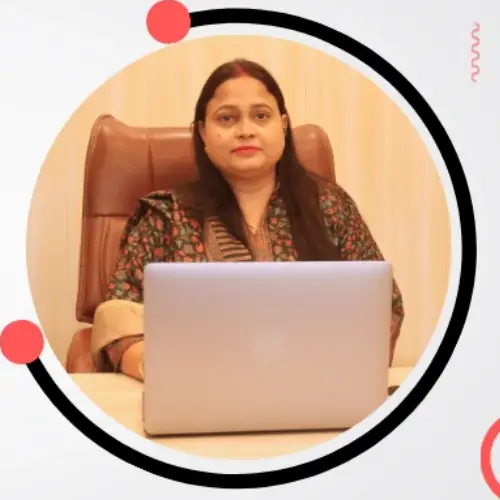
Sapna Kumari is the founder of Sanskriti Fancy Dresses (Since 2018) and a dance teacher who has been closely associated with school cultural programs and stage performances.
Through her work with schools, teachers and parents, she has gained practical experience in planning costumes for annual functions, folk dance performances and fancy dress competitions.
She writes about school costume planning, folk dance dresses and cultural event preparation to help teachers and parents organize stage performances smoothly.
Sapna Kumari has been actively working in the field of school event costumes and cultural performances.
Her experience includes:
costume planning for school annual functions
folk dance costumes for stage performances
fancy dress competition preparation
bulk costume coordination for school events
Through Sanskriti Fancy Dresses, she works closely with teachers, dance instructors and event coordinators to help them arrange costumes efficiently for school programs.