Perini Shivatandavam dress is powerful and simple. It is not heavy or decorative like other dance costumes. It is made to show strength and energy. This dance comes from Telangana. It is known as a warrior dance. In old times, soldiers performed it before going to battle.
The dance is dedicated to Lord Shiva. It is inspired by his Tandavam, which is a strong and energetic form of dance. Because of this, the costume is different. It focuses on movement, body strength, and expression.
The dress includes a short dhoti, waist cloth, sacred markings, and a rudraksha jewellery. The upper body is usually bare. This helps show the power and movement of the dancer.
In school programs and cultural events, this dance is performed in a simplified way. But the basic costume style remains the same. Understanding the costume is important. Every part supports movement, rhythm, and the warrior look.
What Is Perini Shivatandavam Dance and Where Is It Performed
Perini Shivatandavam is an ancient dance from Telangana. It started during the Kakatiya dynasty. It is a spiritual and warrior dance. It was performed in front of Lord Shiva before going to war.
The dance is strong and energetic. It includes fast footwork, jumps, powerful expressions and intense rhythm. Today, the dance is performed in cultural festivals, temple events, stage performances or school programs.
The dance is usually performed by men. But now boys and students also perform it in schools. The performance is done with strong music like mridangam, or cymbals. The costume supports this powerful style.
Why Costume Is Important in Perini Shivatandavam
In Perini dance, the costume is very important. It is not just for looks. It supports the entire performance. The dance includes strong movements. So the costume must allow jumping, bending and fast footwork.
The dhoti is worn in a tight style. This helps in free leg movement. The upper body is open. This shows strength and body movement clearly. Sacred markings like vibhuti and tilak are also important. They connect the dancer to Lord Shiva.
Jewellery like rudraksha beads adds to the traditional look. The sound of salangai (ankle bells) is also part of the costume. It adds rhythm to the dance. Because of this, choosing the right Perini Shivatandavam dance dress for performance is very important.
Types of Perini Shivatandavam Dance Costumes
There are two main types of Perini costumes.
Traditional Costume
This is the original style used in temple and ritual performances. It includes simple dhoti, bare upper body, natural sacred markings and rudraksha beads. The focus is on tradition and devotion.
Stage Performance Costume
This is used in modern performances and school programs. It includes brighter dhoti, slightly more decoration, clear makeup for stage visibility and lighter jewellery. The look is more polished for audience viewing.
What Is Included in a Complete Perini Shivatandavam Dance Dress
Perini costume is simple but powerful. It does not have many layers. But every part has meaning. The dress is made for strength and movement. A complete Perini Shivatandavam dance dress usually includes:
- short dhoti (kacham style)
- angavastram (waist cloth)
- bare upper body
- sacred markings
- rudraksha jewellery
- waist belt
- salangai (ankle bells)
Each item supports the dance. Together they create the warrior look.
Perini Shivatandavam Dress for Men
The Perini dress for men is the original form. It is strong and minimal.
- Dhoti
The dhoti is short and tightly tied. It is worn in kacham style. This helps in wide leg movement, jumping and fast steps. Common colors included are red, saffron and white. These colors have spiritual meaning.
- Angavastram (Waist Sash)
A cloth is tied around the waist. This is called angavastram. It helps support the core, keep the dhoti secure an dadd contrast to the costume.
- Upper Body
The upper body is usually bare. This shows strength, muscle movement and energy of the dance. It also connects to the traditional warrior style.
Perini Shivatandavam Costume for School Performances
In schools, the Perini costume is kept simple and comfortable. It follows the traditional look but is easier to wear. The main focus is on safety and movement. A school costume includes:
- short dhoti (easy to tie)
- waist cloth
- light rudraksha jewellery
- simple vibhuti and tilak
- comfortable salangai
Sometimes, a light upper cloth is added for students. This makes them feel more comfortable. The fabric is usually lightweight. It helps students move easily during jumps and steps.
Dhoti Style in Perini Dance
The dhoti style is very important in Perini. It is worn in kacham style. This means the cloth is passed between the legs and tucked at the back.
This style helps in:
- wide leg stretching
- high jumps
- strong footwork
If the dhoti is loose, it can disturb movement. So it must betightly tied, properly tucked and secure during performance. This style supports the powerful movements of the dance.
Sacred Markings and Makeup
In Perini dance, makeup is very important. It is not just for looks. It has spiritual meaning. The dancer represents a devotee of Lord Shiva. So the body is decorated with sacred markings. The most common marking is Vibhuti (sacred ash). It is applied as:
- three horizontal lines on the forehead
- lines on the chest
- marks on the arms
These lines are a symbol of Shiva. Another important marking is the Tilak or Third Eye. This is usually a red mark on the forehead, and drawn in the center above the eyebrows.
It represents the third eye of Lord Shiva. Sometimes, sandalwood paste is also used. It highlights the face and gives a strong look. These markings make the dancer look intense and spiritual.
Jewellery Used in Perini Shivatandavam
Jewellery in Perini is simple but meaningful. It is not heavy or decorative. The most important jewellery is Rudraksha beads. Rudraksha is strongly connected to Lord Shiva. Dancers usually wear:
- rudraksha necklaces
- rudraksha bracelets
These beads give a traditional and spiritual look. Some dancers also wear simple temple-style jewellery. The jewellery should not be heavy. It should allow free movement.
Armlets, Waist Belt, and Accessories in Perini Costume
Some additional accessories are used to complete the costume.
Armlets (Bhujakeerthulu)
These are worn on the upper arms. They helps highlight arm movements and add strength to the look. They are usually gold-toned or brass.
Waist Belt (Oddiyanam)
A belt is worn around the waist and It helps keep dhoti secure and support the waist during movement.
Salangai (Ankle Bells) and Their Importance in Perini Dance
Salangai are one of the most important parts of the Perini costume. They are heavy ankle bells tied around the legs. They create strong sound with every step. Salangai help in:
- keeping rhythm
- matching the music
- making footwork powerful
In Perini, footwork is very strong. So the sound of the bells must be loud and clear. The bells are usually heavier than other dance forms. They are tied tightly so they do not move or loosen. The sound of salangai adds energy to the performance.
Fabric Used in Perini Dance Costume and Climate Comfort
Perini dance involves intense movement. So the fabric must be light and comfortable. Common fabrics used include:
- cotton
- silk
- cotton blends
Cotton is good for comfort. It absorbs sweat and keeps the body cool. Silk is used for a richer stage look. The fabric should allow free movement, not feel heavy and stay secure during jumps. Lightweight fabric is always better for this dance.
How Schools and Dance Groups Choose the Right Perini Dance Dress
Schools choose costumes based on comfort and safety. Important points includes proper dhoti fitting, lightweight fabric, simple jewellery, clear sacred markings and comfortable salangai. Teachers also ensure that:
- costume does not loosen
- movement is not restricted
- students feel comfortable
The aim is to keep the traditional look while making it practical.
Common Mistakes While Choosing Perini Shivatandavam Costume
Some mistakes can affect the performance. One common mistake is loose dhoti. It can disturb movement. Another mistake is heavy jewellery. It makes movement difficult. Other common mistakes include:
- incorrect sacred markings
- weak salangai sound
- dull colors
- uncomfortable fabric
Avoiding these mistakes helps improve performance.
Frequently Asked Questions
Q. What is the main costume of Perini dance?
A. A short dhoti, waist-cloth, sacred markings and rudraksha jewellery.
Q. Why is the upper body bare in perni?
A. To show strength while expressing the force of movements.
Q. What does vibhuti mean?
A. Vibhuti is a sacred ash applied to the body as a symbol of Lord Shiva.
Q. What kind of jewellery is used in Perini?
A. Rudraksha beads, as well as simple temple-style ornaments.
Q. What purpose does the salangai serve?
A. The salangai has a sonic quality and provides a rhythmic quality for dance movements made through footwork.
Q. Can Perini dance be performed at school?
A. Yes, schools use simplified costumes in order for students to perform.
Q. What is the best fabric for the Perini costume?
A. Cotton, and other lightweight materials will provide the dancer with comfort.
Q. What is the main characteristic of Perini dance?
A. Perini dance has strong footwork and very physical movements.
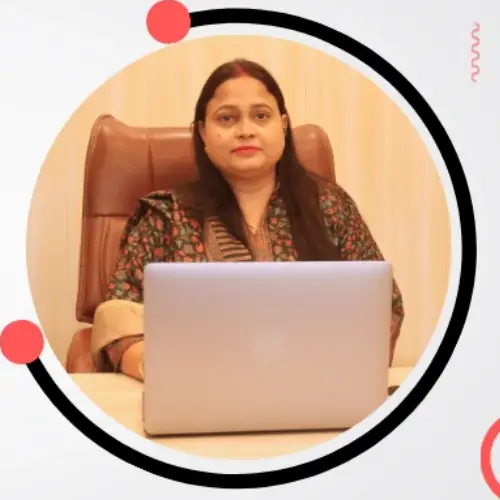
Sapna Kumari is the founder of Sanskriti Fancy Dresses (Since 2018) and a dance teacher who has been closely associated with school cultural programs and stage performances.
Through her work with schools, teachers and parents, she has gained practical experience in planning costumes for annual functions, folk dance performances and fancy dress competitions.
She writes about school costume planning, folk dance dresses and cultural event preparation to help teachers and parents organize stage performances smoothly.
Sapna Kumari has been actively working in the field of school event costumes and cultural performances.
Her experience includes:
costume planning for school annual functions
folk dance costumes for stage performances
fancy dress competition preparation
bulk costume coordination for school events
Through Sanskriti Fancy Dresses, she works closely with teachers, dance instructors and event coordinators to help them arrange costumes efficiently for school programs.