Oppana folk dance dress is all about celebration. When an Oppana group comes in, you immediately feel that it is something special, something connected to a wedding or a happy occasion. The silk clothes, the flowing headscarves, and the gold jewellery together create a very festive look. This is not a simple stage costume. It is meant to look like wedding wear.
Oppana comes from the Mappila Muslim community, so the costume has a very traditional and elegant feel. The women performers are dressed neatly and uniformly, while the bride or groom is dressed more heavily so that everyone knows who the focus of the event is. Even in school or stage performances, this difference is always maintained.
You will mostly see Oppana performed at weddings, but today it is also common in school programs, college festivals, and cultural shows. No matter where it is performed, the costume always keeps that wedding mood alive.
Why Costume Is Important in Oppana Folk Dance
In Oppana, the costume is not just for looks. It sets the mood of the whole performance. Oppana is part of a wedding celebration, and the costume has to reflect that joy and importance.
The costume is important because it:
- Makes the performance look festive and special
- Clearly shows who the bride or groom is
- Matches the slow and graceful movements of the dance
- Highlights facial expressions during clapping and singing
The performers wear similar outfits so the group looks neat and coordinated. The bride’s dress is heavier and more decorated to show that it is her special day. Jewellery, headscarf, and makeup all help make the expressions more visible.
Core Look and Festive Style of Oppana Costume
The Oppana costume is meant to look rich and celebratory, but it is not random or overdone. There is a clear balance between elegance and comfort. Since the dance involves sitting, standing, clapping, and gentle swaying, the costume needs to look grand without becoming uncomfortable.
The overall look is soft, shiny, and coordinated. Silk fabrics are preferred because they reflect light well, especially during evening weddings and stage programs. Colours are usually warm and festive like gold, cream, green, maroon, or pastel shades. Loud or harsh colours are generally avoided.
Another important part of the Oppana look is uniformity. All performers are dressed in a similar style so that the group looks neat. At the same time, the bride or groom is dressed more heavily so they clearly stand out as the central figure.
Oppana is a close range performance, so details matter. Jewellery, headscarf, and fabric texture are all visible to the audience, which is why the costume is always styled carefully.
What Is Included in a Complete Oppana Folk Dance Dress
A complete Oppana folk dance dress has several parts, and each one plays a role in the final look. Missing any element makes the costume feel incomplete.
For women performers, a full costume usually includes:
- A Jhuba, which is a long sleeved silk tunic
- A Mundu with a gold border, worn neatly around the waist
- A Thattam, which is the headscarf draped over the head and shoulders
- Gold or gold finish jewellery including necklaces, earrings, and bangles
- Mehendi on the hands and sometimes on the feet
- Light but clear makeup for stage visibility
For the bride, the same elements are used, but in a much heavier and more decorative form. Her jewellery is richer, the fabric is heavier, and the overall styling is more elaborate.
Headscarf (Thattam) Draping Style and Pinning Method
Thattam is one of the most important parts of the Oppana costume. Without it, the look feels incomplete.
Scarf is usually made of soft silk or net fabric so it falls gently over the head and shoulders. It is draped in a way that frames the face but does not cover it completely. Proper pinning is very important because the performers clap and move throughout the dance.
Golden brooches or pins are often used to secure the Thattam. These also add to the festive look. If the scarf is loose or badly pinned, it can slip and distract the performer during the dance.
Oppana Folk Dance Dress for Women Performers
The women performers in Oppana are dressed to look festive but coordinated. Their costume should look rich, but not overpower the bride.
Most women performers wear:
- A silk or silk blend Jhuba, usually long sleeved
- A white or cream Mundu with a gold border
- A neatly draped Thattam over the head and shoulders
- Traditional gold or gold finish jewellery
- Mehendi on the palms
The colours are chosen carefully so that everyone in the group looks similar. Jewellery is heavy enough to sparkle under lights, but not so heavy that it becomes uncomfortable during clapping. The aim is to look elegant and joyful, not flashy.
Oppana Folk Dance Dress for the Bride (Mappila Pennu)
The bride is always the centre of an Oppana performance, and her costume reflects that clearly.
She usually wears:
- A heavily embroidered silk saree or lehenga choli
- A richly decorated Thattam
- Heavy gold jewellery like long necklaces, waist belt, and earrings
- Detailed mehendi on hands and feet
- Brighter and more detailed makeup
Her costume is intentionally heavier and more decorative than the performers. Even when she is seated, everyone should be able to identify her instantly as the bride.
Oppana Folk Dance Dress for Men (Oppana Murukan)
Oppana is mostly performed by women, but there are also Oppana performances for the groom, known as Oppana Murukan. The men’s costume is simple and dignified.
Men usually wear:
- A white Mundu with a gold border
- A plain white kurta or shirt
- A traditional prayer cap called Thoppi
There is very little jewellery involved. The focus is on neatness and grace rather than decoration. This simple style suits the calm, rhythmic nature of the men’s Oppana performance.
Oppana Folk Dance Dress for Girls and School Performances
For school performances, the Oppana costume is adapted to suit younger dancers.
Schools usually choose:
- Lightweight Jhuba and Mundu sets
- Pre stitched Mundu to avoid slipping
- Artificial jewellery instead of real gold
- Artificial Thattam fabric that is easy to pin
The goal is to keep the look traditional while making it easy for students to manage on stage.
Oppana Folk Dance Dress for Kids and Cultural Programs
Oppana is a popular choice for school and cultural programs because it looks colourful and festive on stage. For children, the costume is adjusted for safety and ease.
Kids usually wear:
- Miniature Jhuba and Mundu sets
- Pre stitched Mundu or skirt style bottom
- Lightweight imitation jewellery
- Securely pinned headscarf
Makeup is kept light but clear enough to be seen under stage lights. The aim is to keep children comfortable while maintaining the traditional Oppana look.
Jewellery Used in Oppana Folk Dance Dress and Its Importance
Jewellery is one of the most noticeable parts of an Oppana costume. It adds shine, movement, and that proper wedding feel to the performance. When dancers clap and sway, the jewellery catches the light and makes the dance look lively.
Women performers usually wear:
- Long layered necklaces like Aaram
- Bell shaped earrings or Jimikkis
- Bangles on both hands
- Sometimes a waist belt for added richness
The bride wears heavier versions of the same jewellery, often in multiple layers. For school and stage programs, imitation gold jewellery is commonly used. It looks similar on stage but is lighter and safer.
The key point is balance. Jewellery should look festive, but it should not be so heavy that it becomes uncomfortable during long performances.
Mehendi, Makeup, and Stage Appearance in Oppana
Mehendi is an important part of Oppana, especially for women performers and the bride. Henna designs on the palms and sometimes on the feet become visible when the dancers clap, adding beauty to the performance.
Makeup in Oppana is simple and expressive:
- Even base makeup
- Kohl for the eyes
- Bright but balanced lip colour
For kids, makeup is kept minimal. Overall, mehendi and makeup help bring out expressions and complete the festive wedding feel of Oppana.
Seating Arrangement and Costume Difference Between Bride and Performers
In a traditional Oppana performance, the bride or groom sits in the centre on a decorated chair. The performers sit or move in a circle around them.
Because of this arrangement:
- The bride’s costume is always heavier and more decorative
- Performers wear coordinated but simpler outfits
- The centre figure stands out clearly
Even in stage performances, this difference is maintained to keep the traditional structure intact.
Difference Between Daily Mappila Wear and Oppana Dance Costume
Daily Mappila clothing is simple and practical. Oppana costumes are designed specifically for celebration.
- Key differences include
- Richer fabrics like silk
- Heavier jewellery
- More detailed makeup
- Carefully styled headscarf
Oppana dress is not everyday wear. It is meant for special occasions, especially weddings.
Difference Between Wedding Oppana Costume and Stage or Competition Costume
Wedding Oppana costumes are heavier and more detailed because comfort is less important than appearance.
Stage and competition costumes focus on:
- Lighter fabrics
- Secure stitching and pinning
- Artificial jewellery
- Easy movement under lights
The look remains festive, but the weight is reduced.
Common Mistakes While Choosing Oppana Folk Dance Dress
Some common mistakes people make:
- Choosing dull or mismatched colours
- Overloading kids with heavy jewellery
- Loose Thattam pinning
- Ignoring uniformity among performers
- Making the bride’s costume too similar to performers
Avoiding these mistakes helps the performance look polished and traditional.
Frequently Asked Questions
Q. Is Oppana costume compulsory to look like wedding wear?
A. Yes. Oppana is a wedding related dance, so the costume must look festive and celebratory.
Q. Can Oppana be performed without jewellery?
A. Jewellery is an important part of the look. For kids, light or imitation jewellery is enough.
Q. Is Thattam compulsory for women performers?
A. Yes. The headscarf completes the Oppana look and should always be worn.
Q. What fabric is best for Oppana costumes?
A. Silk or silk blend fabrics are preferred for their festive look.
Q. How many performers are usually there in Oppana?
A. It is usually a group performance, with one bride or groom and several performers around them.
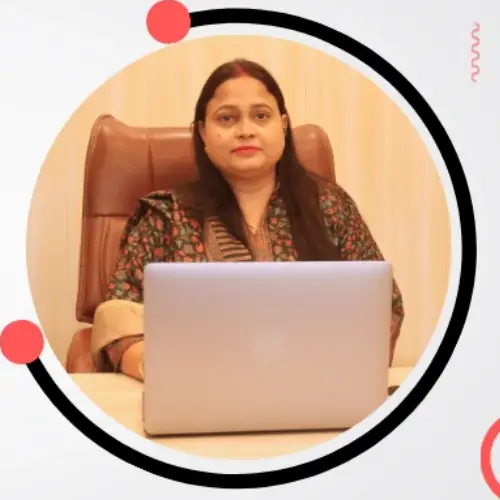
Sapna Kumari is the founder of Sanskriti Fancy Dresses (Since 2018) and a dance teacher who has been closely associated with school cultural programs and stage performances.
Through her work with schools, teachers and parents, she has gained practical experience in planning costumes for annual functions, folk dance performances and fancy dress competitions.
She writes about school costume planning, folk dance dresses and cultural event preparation to help teachers and parents organize stage performances smoothly.
Sapna Kumari has been actively working in the field of school event costumes and cultural performances.
Her experience includes:
costume planning for school annual functions
folk dance costumes for stage performances
fancy dress competition preparation
bulk costume coordination for school events
Through Sanskriti Fancy Dresses, she works closely with teachers, dance instructors and event coordinators to help them arrange costumes efficiently for school programs.