Delhi Folk Dance Dress does not belong to just one culture. It is a mix. When you see dances like Jhumar, Phag, Gidda, Bhangra, or folk-style Sufi performances, the dress changes with the area and the people. That is because Delhi has villages, old cities, and migrant communities living side by side.
In outer and rural parts of Delhi, folk dance dress looks very similar to Haryanvi village clothing. In urban and community events, Punjabi folk dresses are common. In Old Delhi areas, the dressing shows Mughal and Sufi influence, especially in slow, graceful folk or folk-classical performances.
So when we talk about Delhi folk dance dress, we are not talking about one fixed costume. We are talking about three clear styles, each used in different settings.
About Delhi Folk Dance Dress – Culture, Background, and Meaning
Delhi’s folk dance dress comes from people who live here, not from one original tribe or region. Over time, people from Haryana, Punjab, Rajasthan, and nearby areas settled here. Their dances and clothes became part of Delhi’s folk culture.
In villages around Delhi, dances were performed during harvest, weddings, and fairs. People danced in their regular traditional clothes, worn neatly. In city areas, folk dances became part of weddings, stage shows, and cultural programs, so the clothes became more colourful and presentable.
Some important things that shape Delhi folk dance dress costumes:
- Influence of Haryanvi village life
- Strong Punjabi community presence
- Mughal and Sufi heritage in Old Delhi
- Use of dress to show identity, not fashion
That is why Delhi folk costumes change with the dance and the location.
Cultural Roots of Delhi Folk Dance Dress
Delhi folk dance dress comes from people, not one tradition. Delhi has always been a meeting point. Villages on the outskirts, Punjabi families in the city, and Old Delhi’s Mughal culture all shaped how folk dances look today.
In rural areas, dance dress follows Haryanvi village life. Clothes are heavy, covered, and modest. Women wear wide Daaman skirts and silver jewellery. Men wear kurta–dhoti and pagri. This dressing shows respect and tradition.
In urban and community settings, Punjabi folk culture is more visible. Gidda and Bhangra costumes are bright, colourful, and energetic, matching the fast rhythm of the dance.
In Old Delhi, folk performances carry Sufi and Mughal influence. The clothing is flowing and graceful, suited for slow movement and expression.
That is why Delhi folk dance dress does not look the same everywhere. The costume always reflects where the dance comes from and who is performing it.
Fabrics Used in Delhi Folk Dance Costumes
Fabric choice in Delhi folk dance depends on the style of dance and season.
In village-style dances like Jhumar and Phag, heavy cotton is used. The Daaman skirt needs weight and volume, so thick cotton works best. Sometimes these skirts use a very large amount of fabric to create proper flare.
In Punjabi dances like Gidda and Bhangra, lighter cotton, silk-blend, or satin fabric is used. These fabrics look bright on stage and support fast movement.
In Old Delhi folk or Sufi-style performances, flowing fabrics like cotton-silk or light blends are preferred because they move well during spins.
Types of Folk Dances in Delhi and Their Costumes – Region and Community Based
Delhi does not have one single folk dance of its own. The folk dances seen in Delhi come from different regions and communities that settled here over time. That is why the dance style and costume always depend on where the dance comes from and who is performing it.
In Delhi, folk dances are mainly seen in three clear groups. Each group has its own dressing style:
Rural / Haryanvi Folk Dances of Delhi
- Jhumar Folk Dance and Costume
- Phag Folk Dance and Costume
Punjabi Community Folk Dances of Delhi
- Gidda Folk Dance and Costume
- Bhangra Folk Dance and Costume
Mughal / Sufi Folk–Classical Dances of Old Delhi
- Sufi Folk Dance and Costume
Rural / Haryanvi Folk Dances of Delhi
Rural folk dances of Delhi are mainly seen in outer and village areas. The dressing here follows traditional Haryanvi style. The costume looks heavy, modest, and fully covered. Every part of the dress has a purpose and supports slow, graceful movement.
Jhumar Folk Dance and Costume
Jhumar is a slow and graceful women’s folk dance. The costume is heavy on purpose so the movements look full and flowing.
- Skirt (Daaman): A very wide, ankle-length skirt made from heavy cotton. It uses a large amount of fabric to create a strong flare during turns.
- Kurti (Top): A short, fitted kurti worn above the waist. It keeps the upper body neat and balanced.
- Chunder / Odhni (Dupatta): A long dupatta worn over the head and tucked at the waist. Borders often have gotapatti or cloth tassels.
- Jewellery: Heavy silver jewellery such as Hansli (neck ring), Jhalra (coin necklace), and Kari (anklets).
The overall look is traditional, covered, and dignified.
Phag Folk Dance and Costume
Phag is performed during the spring and Holi season. The costume is similar to Jhumar but looks slightly more festive.
- Daaman (Skirt): Heavy cotton skirt with wide flare, usually in dark shades with bright borders.
- Kurti: Short kurti in brighter colours to match the festive mood.
- Chunder (Dupatta): Colourful dupatta worn over the head and secured at the waist.
- Jewellery: Traditional silver jewellery similar to Jhumar, worn slightly lighter for comfort.
Men usually wear kurta–dhoti with pagri. The costume stays traditional and village-style.
Punjabi Community Folk Dances of Delhi
Punjabi folk dances are very common in Delhi weddings and community programs. The costumes are bright, lively, and easy to move in.
Gidda Folk Dance and Costume
Gidda is a cheerful women’s dance full of claps and expressions. The costume looks colourful and festive.
- Dress (Salwar Kameez or Sharara): Bright colours like pink, orange, yellow, or green. Fabric is light so movement feels easy.
- Phulkari Dupatta: Heavily embroidered dupatta. This is the main highlight of the costume.
- Jewellery: Saggi Phul on the head and Pippal Pattiyan earrings.
The dress supports fast hand movements and group dancing.
Bhangra Folk Dance and Costume
Bhangra is a high-energy dance performed by men. The costume looks bold and strong.
- Chhadra: Colourful cloth tied firmly around the waist.
- Jugi: Sleeveless waistcoat worn over the kurta.
- Turban with Turla: Turla is the fan-like decoration on top of the turban.
The dress allows jumping, shoulder shakes, and big movements.
Mughal / Sufi Folk–Classical Dances of Old Delhi
In Old Delhi, folk performances often show Sufi influence. The dressing here is soft and flowing.
Sufi Folk Dance and Costume
These dances focus on smooth movement and expression. The costume helps the body move freely.
- Anarkali or Angarkha: Long, flowing outfit with pleats that open while turning.
- Churidar: Tight-fitting trousers gathered at the ankles.
- Shawl or Scarf: Light shawl draped over the shoulder, especially in winter shows.
Jewellery is kept minimal. The beauty comes from how the fabric moves, not from decoration.
Fabrics Used in Delhi Folk Dance Costumes and Why They Are Chosen
Fabric choice in Delhi folk dance costumes depends on movement and purpose, not decoration.
For Haryanvi folk dances like Jhumar and Phag, heavy cotton is used. The Daaman skirt needs weight so it opens properly during slow turns. Light fabric does not give the correct look.
For Punjabi dances like Gidda and Bhangra, lighter cotton, cotton-blend, or satin-blend fabrics are preferred. These fabrics feel light on the body and look bright on stage during energetic steps.
For Sufi and Old Delhi folk performances, soft and flowing fabrics like cotton-silk or light blends are chosen. These help the dress move smoothly during spins and graceful steps.
Delhi Folk Dance Dress for Women
Women’s folk dance dress in Delhi changes clearly with the dance style. There is no single “Delhi costume” for women.
In Haryanvi-style dances, women wear heavy Daaman skirts with kurti and chunder. The look is modest and fully covered.
In Punjabi dances, women wear salwar kameez or sharara with Phulkari dupatta. The dressing is bright and expressive.
In Sufi folk performances, women wear Anarkali or Angarkha-style dresses with churidar. The focus is on flow and grace.
Delhi Folk Dance Dress for Men
Men’s folk dance dress in Delhi is simple but clearly styled for each dance.
- Rural dances: kurta–dhoti, pagri, and sometimes kamari
- Punjabi dances: chhadra, jugi, turban with turla
- Sufi folk: Angarkha or long kurta with churidar and shawl
Colours, Patterns, and Overall Look of Delhi Folk Dance Costumes
Colours in Delhi folk dance costumes depend on the community.
- Haryanvi dances use darker base colours with contrast borders
- Punjabi dances use bright, festive colours
- Sufi dances prefer softer, elegant shades
Patterns are simple. Heavy embroidery is used only where tradition demands it, like Phulkari.
When and Where Delhi Folk Dance Dress Is Commonly Used
Delhi folk dance costumes are worn mostly during community and cultural occasions. The type of dress depends on the event and the audience.
You will usually see these costumes used in:
- School annual days and cultural programs
- College festivals and inter-school competitions
- Weddings and community functions
- Government and private cultural events
- Folk festivals and stage shows
In village or community settings, the dress stays closer to original traditional wear. On stage, colours may be slightly brighter, and fittings are tighter for clean movement and visibility.
Delhi Folk Dance Dress for Kids and School Programs
For children, the costume must be safe, light, and easy to manage. Heavy or loose clothing can create problems on stage.
How costumes are adjusted for school programs:
- Daaman skirts are stitched lighter and shorter for Jhumar or Phag
- Phulkari dupattas are pinned properly for Gidda
- Chhadra for Bhangra is stitched with elastic instead of tying
- Jewellery is reduced or replaced with lightweight options
- Turbans and dupattas are secured firmly
Schools often choose Gidda, Bhangra, or simplified Jhumar because these costumes are easier for children to handle.
Common Mistakes to Avoid While Choosing Delhi Folk Dance Costumes
Some mistakes can make the dance look incorrect or uncomfortable.
Avoid these common issues:
- Mixing Haryanvi, Punjabi, and Sufi styles together
- Using very light fabric for heavy Daaman skirts
- Adding unnecessary jewellery to energetic dances
- Choosing loose dupattas that slip during movement
- Ignoring comfort for children
Choosing the right costume style for the right dance makes all the difference.
Frequently Asked Questions
Q. Is there one traditional folk dance costume for Delhi?
A. No. Delhi folk dance dress changes by region and community, such as Haryanvi, Punjabi, or Sufi styles.
Q. What costume is used for Jhumar dance in Delhi?
A. Jhumar uses the Haryanvi Daaman skirt, kurti, chunder, and silver jewellery.
Q. What is the correct dress for Gidda in Delhi programs?
A. Salwar kameez or sharara with Phulkari dupatta is the correct Gidda costume.
Q. Can Bhangra costume be used for school children?
A. Yes. A simplified Bhangra costume with stitched chhadra and light turban works well for kids.
Q. What fabric is best for Daaman skirts?
A. Heavy cotton is best because it gives proper flare and weight.
Q. Are Sufi folk dance costumes heavily decorated?
A. No. Sufi folk costumes focus on flowing fabric, not heavy decoration.
Q. How early should costumes be arranged for a school event?
A. Around 10–15 days is ideal, especially for group performances.
Q. Can one costume be reused for different dances?
A. Only if the dance style matches. Mixing styles usually looks incorrect.
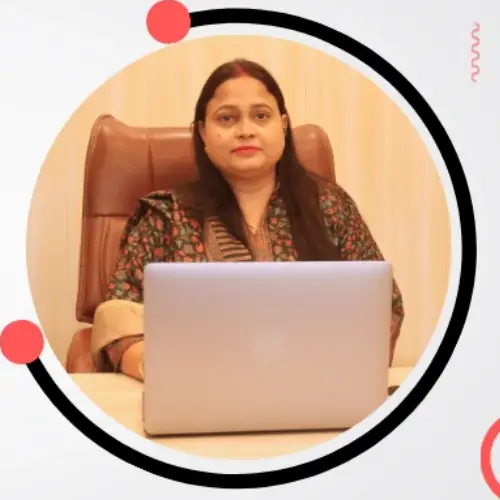
Sapna Kumari is the founder of Sanskriti Fancy Dresses (Since 2018) and a dance teacher who has been closely associated with school cultural programs and stage performances.
Through her work with schools, teachers and parents, she has gained practical experience in planning costumes for annual functions, folk dance performances and fancy dress competitions.
She writes about school costume planning, folk dance dresses and cultural event preparation to help teachers and parents organize stage performances smoothly.
Sapna Kumari has been actively working in the field of school event costumes and cultural performances.
Her experience includes:
costume planning for school annual functions
folk dance costumes for stage performances
fancy dress competition preparation
bulk costume coordination for school events
Through Sanskriti Fancy Dresses, she works closely with teachers, dance instructors and event coordinators to help them arrange costumes efficiently for school programs.