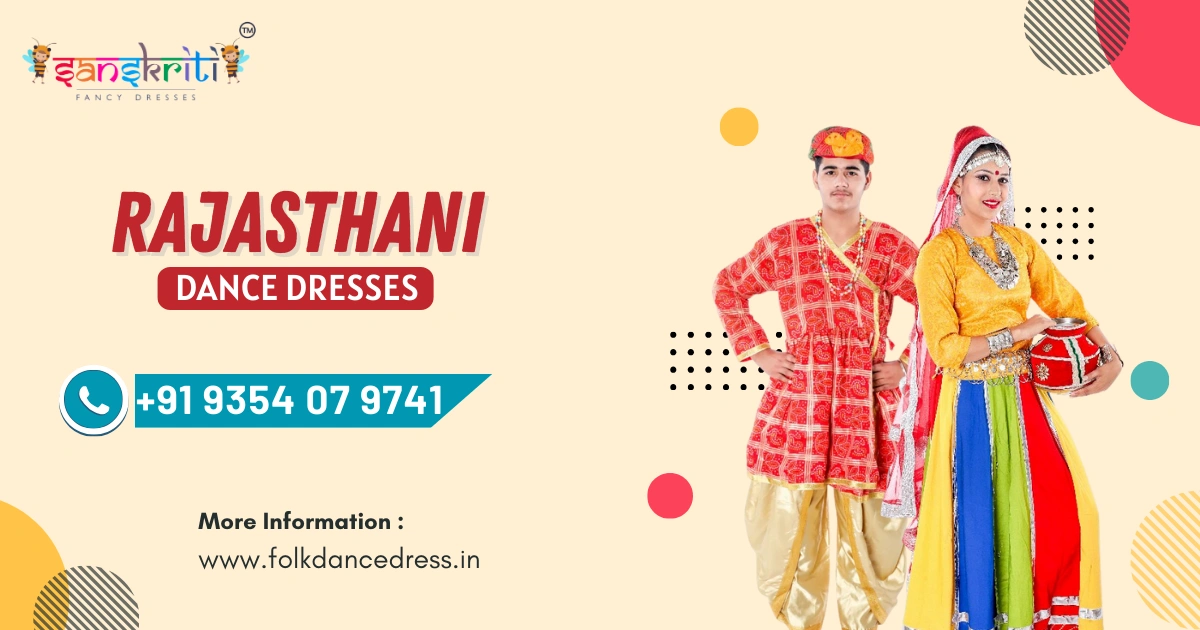
Rajasthani dance dress burst with color and tradition. They don’t just look beautiful they tell a story. Every swirl of the ghagra choli, every shimmer of jewelry and every flutter of the odhni pulls you into Rajasthan’s vibrant culture. On stage, the dancers really shine.
Each Rajasthani dance has its own style of dress.Ghoomar, Kalbelia, Bhavai and Terah Taali all use different colours, fabrics and patterns. These dresses are designed to move nicely with the steps, twirls and hand actions.
Whether it is for a school event, a cultural show or a professional performance, the Rajasthani Dance Dress always stands out. It shows tradition, beauty and pride. In this blog, we will look at the colours, fabrics, designs and small details that make these outfits so special.
Rich culture behind Rajasthani Dance Dress
Rajasthani dance dress really capture the spirit of the state full of color, history, and tradition. Rajasthan’s famous for its royal past, lively festivals, and a kind of warmth you feel in its people. You see all of that in what dancers wear.
The bright colours of the outfits represent joy and celebration. Villages in Rajasthan use strong shades like red, yellow, blue and green to express happiness. The clothes also protect people from the hot desert weather, which is why the fabrics are light and airy.
Traditional prints like bandhej and leheriya come from old dyeing techniques that have been used for generations. Crafts like gota work and mirror work are handmade by skilled artisans. These designs make the dresses shine beautifully when dancers move.
Jewellery also has a cultural meaning. The borla, necklaces, bangles and anklets show Rajasthan’s love for detailed craftsmanship.
Popular Rajasthani Folk Dances and their Dress Styles
Rajasthan bursts with folk dances, and honestly, the costumes are half the magic. Every dance has its own look that matches the music, the mood, and even the way the dancers move. Here’s how some of the most popular Rajasthani dances dress up:
- Ghoomar: Picture a swirl of color. Women glide in bright ghagras, matching cholis, and long odhnis draped over their heads. The outfits sparkle with gota and mirror work, and the soft borders fly beautifully when they spin.
- Kalbelia: This one’s wild and bold. The Kalbelia tribe’s dancers wear mostly black, but with pops of color and plenty of mirror work. Their skirts are long and flowy, perfect for quick spins. The whole look grabs your attention.
- Bhavai: This is a dance in which women balance pots on their heads while performing. The costume consists of a heavy, colourful skirt and a bodice finished with bright, colourful embroidery. The scarf worn during this dance is a long scarf that is evenly draped, which keeps it from shifting during the performance.
- Terah Taali: This dance is performed with manjiras tied on the body. The dress includes a colourful ghagra choli and a short odhni. The costume is kept simple so the manjiras can be tied comfortably.
- Chari Dance: Chari dancers balance pots with fire. The dress is similar to Ghoomar but has less flare to keep balance. Bright colours and light borders make the dance look festive.
- Kathputli Dance: This is the puppet dance, but the performers also dress traditionally. They wear bright Rajasthani outfits with simple prints and long odhnis.
Each dance has its own charm, and the dress plays a big part in bringing the real Rajasthani feel to the performance.
Key Elements of Traditional Rajasthani Costumes
The elements of the Rajasthani traditional costume are full of colour, details and cultural appeal and enhance the visual attractiveness of the dancer. The primary elements of the traditional costume include:
Ghagra: is a long, flared skirt that sways with every move. It’s usually bright, think bold colors, prints, and a bit of mirror work catching the light.
- Choli: It is a fitted blouse that is worn under the ghagra. It will usually be colour-matched to the ghagra and have elaborate borders or designs and, therefore, enhances the traditional style of the costume.
- Odhni: It is a long, draped dupatta that completes the outfit. The odhni may be worn on the head or draped around the shoulders. The odhni will often have gota borders, prints or mirror work.
- Traditional Prints: Bandhej and leheriya are two famous prints of Rajasthan.They add a special touch to the outfit and show the state’s textile art.
- Embroidery: Gota patti and zari work enhance the dazzling appearance of the costume. All these colourings and embellishments have been made by highly skilled artisans.
- Jewellery: It is worn in Rajasthan includes borla, necklaces, bangles, earrings and anklets. The jewellery is traditionally made from precious and semi-precious metals and specimens of natural stones.
- Footwear: Women often wear traditional jutti.It is soft, colourful and matches the dress.
These elements together create the classic Rajasthani look that makes the dance vibrant and beautiful.
Rajasthani dance dress for kids
Rajasthani dance ress for kids burst with color and feel light as air. Kids can move, jump, and twirl without feeling weighed down. The style keeps things simple, but you can’t miss that lively Rajasthani vibe.
Girls usually wear a soft ghagra, a matching choli, and a light odhni. The fabric feels gentle, and nothing gets in the way of dancing. Red, yellow, blue, green, these bright colors really pop under stage lights. You’ll see just a hint of mirror work or a simple border, which gives a little sparkle without making the dress heavy.
Boys usually go for a kurta, paired with a dhoti or pajama, plus a bright, playful turban. It’s a clean, classic look, just right for folk dances.
Accessories stay simple for kids. A couple of bangles, tiny earrings, or a small bindi do the trick. Flowers or ribbons in the hair add a little extra charm.
Buying vs Renting Rajasthani Dance Dress
Deciding whether to buy or rent a Rajasthani dance dress depends on how often you’ll wear it and how much you want to spend.
If you’re performing a lot or you’re in a dance group or take part in cultural events all the time then buying makes sense. Bought costumes usually last longer and feel fresher, since nobody’s worn them before. Dance teams, frequent performers, or folks involved in regular cultural events usually go for this route.
On the other hand, renting is great if you just need the dress for a single school show or a last-minute event. It’s cheaper and super convenient. Rental shops often provide the full set ghagra, choli, odhni, and some basic jewelry. After the event, you hand everything back, so you don’t have to worry about finding space in your closet. Just make sure the dress fits well and feels comfortable before you take it home.
How to Choose the Right Rajasthani Dress
Selecting the appropriate clothing for dancing will help ensure that the dancer looks neat, feels comfortable, and enjoys the performance. To select your ideal outfit consider the following:
- Rajasthani dresses look beautiful in strong colours. Red, yellow, pink, green and blue show the real spirit of Rajasthan. Bright colours also look nice on stage.
- Cotton blends, georgette and light silk blends are good options. They are easy to move in and do not feel heavy during dance steps.
- The skirt should have enough flare to move nicely but should not be too long. A good flare makes twirls look graceful.
- Bandhej, leheriya, gota work and light mirror work add a traditional touch. Avoid very heavy embroidery for school events or long performances.
- The blouse should be comfortable. It should not be too tight or too loose so the dancer can move freely.
- The dupatta should stay in place. Pick an odhni that is not too slippery and sits well on the head or shoulders.
- A few bangles, earrings and a small necklace are enough. Light accessories help the dancer move easily.
- Ask the dancer to walk, bend, twist and lift their arms. This shows if the dress is right for dancing.
A good Rajasthani dress should look traditional, fit well and allow smooth movement. This helps the performer dance with full confidence and joy.
Frequently Ask Questions
Q. What is a Rajasthani dance dress?
A. It is the traditional outfit worn for folk dances of Rajasthan. It usually includes a ghagra, choli and odhni.
Q. What colours are common in Rajasthani costumes?
A. Bright colours like red, yellow, blue, green and pink are widely used.
Q. Which fabrics are best for these dresses?
A. Cotton blends, georgette and light silk blends work well. They are comfortable and easy to move in.
Q. What designs are popular on Rajasthani dance costumes?
A. Bandhej, leheriya, mirror work and gota patti are common.
Q. What are the types of Rajasthani Dance Dress?
A. Ghoomar, Kalbelia, Bhavai and Terah Taali all have different dress styles.
Q. What jewellery is worn with the dress?
A. Borla, earrings, bangles, necklaces and anklets are often used.
Q. Can kids wear Rajasthani dance dress for school events?
A. Kids wear lighter and simpler versions that are easy to manage.
Q. Should I buy or rent the costume?
A. Buy if you need it many times. Rent if it is for a single event.
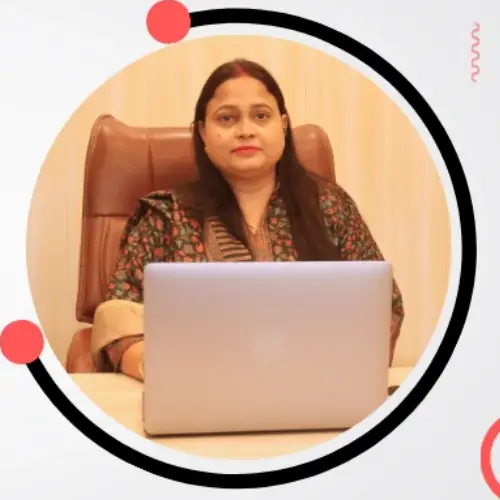
Sapna Kumari is the founder of Sanskriti Fancy Dresses (Since 2018) and a dance teacher who has been closely associated with school cultural programs and stage performances.
Through her work with schools, teachers and parents, she has gained practical experience in planning costumes for annual functions, folk dance performances and fancy dress competitions.
She writes about school costume planning, folk dance dresses and cultural event preparation to help teachers and parents organize stage performances smoothly.
Sapna Kumari has been actively working in the field of school event costumes and cultural performances.
Her experience includes:
costume planning for school annual functions
folk dance costumes for stage performances
fancy dress competition preparation
bulk costume coordination for school events
Through Sanskriti Fancy Dresses, she works closely with teachers, dance instructors and event coordinators to help them arrange costumes efficiently for school programs.