Traditional clothing for the Dollu Kunitha Dance (a vibrant folk dance from Karnataka) is called “Dollu Kunitha Dance Dress”.
Dollu Kunitha Dance features a resounding beat and is performed by groups of dancers wearing traditional dresses and holding oversized drums called “Dollus”. The Dollu Kunitha Dance Dress is constructed to allow dancers to participate in heavy, active performances, and to provide support for the dancers as they jump, perform synchronized group choreography, and do other things that require intense physical activity.
Dollu Kunitha Dance Dress’s design reflects the three primary qualities of strength, discipline, and devotion to the dollu kunitha dance. Dollu Kunitha Dance has historic ties to religious festivals, temple festivities, and similar social occasions, with Dollu Kunitha Dance being the most popular of all forms of folk dances in India.
The costume aids in creating dramatic visual effects in addition to providing an impressive and dynamic appearance. Bright colours, bold patterns, and heavy durable material add to the visually cohesive group appearance of the dancers.
Dollu Kunitha Dance Costume is typically worn by males, and is intended for practicality, comfort, and ease of movement when carrying the drum. The Dollu Kunitha Dance Costume continues to be used today for cultural programs, folk festivals, school events, and fancy dress competitions.
The primary purpose of the dress is to promote an understanding of Karnataka’s rich folk traditions while helping to create a dramatic stage presence for dancers.
Origin and Cultural Significance of Dollu Kunitha Dance
Dollu Kunitha Dance is found mainly in the southern districts of Karnataka most notably in Shimoga and Chitradurga. It was traditionally performed during temple festivals and processions by devotees of Lord Beereshwar, an incarnation of Lord Shiva.
Dollu Kunitha consists of groups of people dancing while balancing large drums attached to the body. As the Dollu drum provides an intense pounding sound, it helps create a fast rhythm to accompany the dancers’ ability to express themselves in a group coordination. Movements done in the dance include jumping, bending and rotating, which all show the strength of the dancers and how well they work as a team.
Dollu Kunitha represents unity, love, and discipline within the community. The dance is one of the few folk dances that bind communities together during festivals and celebrations. Today the Dollu Kunitha style of dance has become synonymous with the culture of Karnataka. In addition, it is regularly performed on cultural stages throughout India and is taught to preserve and promote traditional folk dance in schools.
Traditional Dollu Kunitha Dance Costume for Men
Men’s Dollu Kunitha dance outfit is designed to be colourful and functional to complement a dynamic performance. Its design emphasise visual drama, as well as provide support during a strenuous activity. The major elements of the costume include:
- Tops: Typically men wear either a bare-chested look or sometimes wear short vests, allowing for comfortable mobility.
- Lower section: Lower garments are typically knee-length dhotis, or during summer may be pleated skirts and tied securely at the waist.
- Waist Belt: Thick cloth that serves as a support for the drum and holds the costume securely in place.
- Headwear: Traditional-style turbans or cloth wraps used for stability in the dancers’ head.
- Ankle Accessories: Sometimes anklets are added for additional rhythm while dancing.
Men’s Dollu Kunitha dance costume is designed to be very tight so that the dancers can execute fast step movements and leaps while still appearing synchronized and powerful in their performance. Bright colors and bold patterns give the dancer a sense of power. At schools and for theatrical events, there are less heavy versions of the costumes that allow the dancer to perform comfortably while maintaining the traditional look.
Role of Dollu (Drum) in the Costume and Performance
Dollu, a large circular handmade wooden drum with a circular head made out of smeared leather, serves as the backdrop for the Dollu Kunitha performance as well as being an integral part of the dancer’s costume. The Drum has two sides: one side has the leather head and the other is exposed to the air and has a hollow body.
This is tied around the dancer’s waist using a heavy cloth strap; thus it becomes part of the dancer during the performance. Dancer’s every movement coincides with the beat of the drum; whether it is a step, jump or other movement will sync with the drumbeat. The dancer produces a very loud, strong beat by means of either wooden sticks or the palm of their hand to hit a Dollu. When performed quickly enough, this strong rhythm can be heard from miles away.
The speed of the drum determines how quickly dancers perform the sequence of steps, and thus is a major contributor to the quality of the performance overall. Dollu’s weight needs to be supported when executing fast movements, therefore the performance is designed for maximum stability and balance through the support provided by the drum itself.
Properly tying the Drum will ensure that the dancer’s body maintains proper form throughout the performance. The visual look of the Dollu enhances the strength and visual appeal of the performance, therefore the Dollu Kunitha ranks high among Karnataka’s most colorful and spirited folk dances.
Fabric, Colors, and Patterns Used in Dollu Kunitha Dress
Fabrics, colors, and designs of the Dollu Kunitha costumes are selected to reflect the vigor, dynamism, and intensity associated with this incredible traditional folk dance. The costume includes many dynamic movements performed in Dollu Kunitha performances, including jumping, bending, and quick foot movement, and therefore, the fabric must be robust and easy to wear.
Historically, caffeine was used to create many of the fabrics for the Dollu Kunitha costumes because they are durable, breathable, and easy to use during extended performances. Cotton also helps absorb moisture, which allows the dancer to be comfortable while dancing in hot weather or stage conditions during an outdoor event. Sacred handwoven cloth is still utilitarian in some traditional cultures and helps provide authenticity to the costume.
The colors used in Dollu Kunitha costumes are also very significant in determining the meaning of the garment. Bright, striking colors such as red, black, yellowish orange, and white are common. Red stands for power and energy; Black stands for strength; Yellow stands for devotion; and White stands for harmony. The patterns on the costumes generally have a bold and simple appearance, and may be patterned as large solid-color rectangles and stripes or with a thick border around each rectangular section.
Accessories and Props Used with Dollu Kunitha Dance Dress
Accessories and props associated with the dance of Dollu Kunitha (Dollu Kunitha) are functional in nature, fostering rhythm and support for the instrument, as well as enhancing the traditional appearance of the dancers while allowing them free range of motion to perform the dance.
Arguably, the most significant prop for a Dollu Kunitha dancer is the Dollu (drum), which is secured around a dancer’s waist with strong cloth straps that ensure it remains in place during jumps and other movements. The drummers use either wooden drum sticks or the palms of their hands to beat out a rhythm, and the audience will hear deep and resonant percussions as the dancers perform.
Additionally, dancers may wear long and wide waist belts and ropes to help hold the drum securely in place, while at the same time supporting the drum’s weight during jump movements.
The use of turbans or headbands helps contribute to the uniform, disciplined look of the dancers as they perform in synchronization with one another. Other accessory items worn are anklets or bells, which help create a rhythmic sound as the dancers move throughout their performances and traditional forehead markings that symbolize cultural devotion or identity.
As part of their educational activities and fancy dress competitions, lightweight and easily reversible versions of these types of accessories are available for students or participants, ensuring both comfort and an authentic folk costume appearance when moving through these two events.
Frequently Ask Questions
Q. What is the Dollu Kunitha Dance Costume?
A. Dollu Kunitha Dance Costume is a traditional attire worn while performing the folk dance “Dollu Kunitha” in Karnataka. The Dollu Kunitha Dance costume is designed for energetic dancers to support their movement while swinging around the Dollu drum.
Q. What state does the Dollu Kunitha Dance originate from?
A. Dollu Kunitha Dance was created in the southern Indian state of Karnataka. The dance can be traced back specifically to the southern Karnataka regions of Shimoga, Chitradurga, and Davangere.
Q. Which gender of people perform the Dollu Kunitha Dance?
A. Historically the Dollu Kunitha Dance would only be performed by men in large groups during temple fests and cultural festivities.
Q. What does the term Dollu mean in the Dollu Kunitha Dance?
A. The term Dollu means a large drum that is fastened to the waist of the dancer and produces heavy rhythms that accompany the dance movements.
Q. Which type of material do you use when making Dollu Kunitha Dance Costumes?
A. Dollu Kunitha Dance Costumes are made of many different types of fabric; however, the most popular type of fabric used is thick cotton. The thickness of the cotton allows the dancers to perform at high energy levels in a safe, comfortable, and breathable environment.
Q. What kind of colors are present on Dollu Kunitha Dance Costumes?
A. Bright colors (red, black, yellow, and white) are typically used on Dollu Kunitha Dance Costumes as they represent the dancer’s devotion to their god, the dancer’s energy, and the dancer’s ability to be strong while dancing.
Q. Do Dollu Kunitha dance costume accessories have a significant meaning?
A. Accessories such as waist bands, strap to support the drum as well as headgear and drumsticks are important in terms of both performance and traditional appearance.
Q. Are Dollu Kunitha dance costumes appropriate for school functions?
A. Many schools will use lighter weight and safer versions of the costumes for cultural programs and school functions.
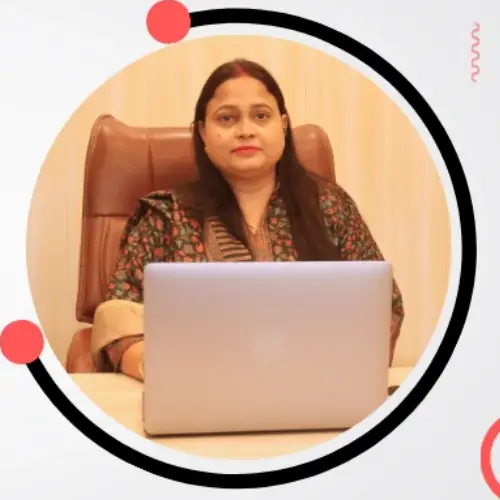
Sapna Kumari is the founder of Sanskriti Fancy Dresses (Since 2018) and a dance teacher who has been closely associated with school cultural programs and stage performances.
Through her work with schools, teachers and parents, she has gained practical experience in planning costumes for annual functions, folk dance performances and fancy dress competitions.
She writes about school costume planning, folk dance dresses and cultural event preparation to help teachers and parents organize stage performances smoothly.
Sapna Kumari has been actively working in the field of school event costumes and cultural performances.
Her experience includes:
costume planning for school annual functions
folk dance costumes for stage performances
fancy dress competition preparation
bulk costume coordination for school events
Through Sanskriti Fancy Dresses, she works closely with teachers, dance instructors and event coordinators to help them arrange costumes efficiently for school programs.