Bihar folk dance fancy dress usually means simple clothes like dhoti–kurta with gamcha for boys and cotton saree with blouse for girls. Sometimes it also includes folk dance looks like Jat-Jatin, Bidesia, or Jhijhiya dance dress. These are not costumes created for stage glamour. These are clothes people in Bihar actually wear in daily life, festivals, and village gatherings.
That is the most important thing to understand. Bihar fancy dress does not come from royalty or heavy traditions. It comes from normal people and real life. When someone tries to add shine, glitter, or too much jewellery, the costume stops looking like Bihar.
I have seen many school events where a simple dhoti, kurta, and gamcha looked more correct than an expensive costume. Bihar culture looks best when it feels comfortable and honest. If the child looks relaxed wearing it, the costume is already right.
What Bihar Folk Dance Fancy Dress Actually Represents
Bihar Folk Dance fancy dress represents daily life in Bihar. It reflects how people dress while working, celebrating festivals, or attending local gatherings. The clothing style developed for comfort because most traditional work involved farming and outdoor activity.
When someone wears Bihar fancy dress correctly, it shows:
- village life
- farming culture
- folk traditions
- simplicity and dignity
In schools, Bihar fancy dress is often chosen to explain rural India. It helps children understand that culture is not always about heavy clothes or jewellery. Sometimes culture is about how people live every day.
Traditional Clothes of Bihar Used for Folk dance Fancy Dress
Bihar fancy dress is based on clothes that people still wear today, especially in villages and during festivals.
For men and boys, the look is very straightforward. A dhoti, a kurta, and a gamcha. That’s it. The gamcha is very important. It is not an accessory added for decoration. It is a daily-use cloth. People use it to wipe sweat, cover the head, or carry things. In fancy dress, wearing the gamcha correctly makes the outfit look complete.
For women and girls, the base is usually a saree with a blouse. The saree is worn in a simple style, not the modern fashion drape. In some folk dance performances, girls may wear lehenga-style skirts, but even those are kept plain and comfortable.
Folk Dances of Bihar and How the Costumes Look
Many Bihar fancy dress costumes are inspired by folk dances. These dances show everyday stories, emotions, and village life.
Jat-Jatin dance shows the life of common people. The costumes look like daily wear. Men wear dhoti and kurta with a gamcha. Women wear simple sarees. Colours are soft and earthy.
Bidesia is more like folk theatre. The costumes again look like normal village clothing. Nothing dramatic. That is what makes it powerful.
Jhijhiya dance is performed by women during festivals. The costumes are sarees or lehenga-style skirts with blouses. Jewellery is minimal.
In school performances, these dance costumes are simplified, but the basic look is always kept real.
Bihar Folk Dance Fancy Dress for Boys – Simple and Comfortable
For boys, Bihar Folk Dance fancy dress is one of the easiest costumes to wear. It is light, comfortable, and easy to manage.
Usually, boys wear a kurta with dhoti-style bottoms. For school children, dhotis are often replaced with loose pajamas so they can walk and dance easily. The gamcha is worn around the neck or on the head. That single piece changes the entire look.
This costume is used for school annual days, fancy dress competitions, and folk dances. Footwear is usually not needed. Most performances are done barefoot, which actually suits the look.
Bihar Fancy Dress for Girls – Grace in Simplicity
Bihar Folk Dance fancy dress for girls looks graceful without trying too hard. It usually represents rural women or folk dancers.
Girls wear a cotton saree with a blouse. For school use, the saree is often pre-pleated or stitched slightly so it stays in place. The drape is simple, not fashionable.
Colours like yellow, red, green, or off-white are commonly used. Jewellery is kept minimal. Bangles, small earrings, and a bindi are more than enough.
When a girl wears this costume comfortably and confidently, it naturally looks like Bihar culture on stage.
Bihar Folk Dance Fancy Dress for Kids and School Programs
For children, Bihar fancy dress must be easy to wear. Traditional clothes are loose, and loose clothes can confuse kids on stage. So the style is kept traditional, but the fitting is made practical.
For boys, dhoti-style outfits are often converted into loose pajama-style bottoms. From outside, it still looks like a dhoti. Inside, it feels like a pajama. This helps children walk, sit, and dance without fear. The kurta is kept simple and breathable. The gamcha is worn around the neck or tied on the head, but it is lightly pinned so it does not fall during the performance.
For girls, cotton sarees are usually pre-pleated or stitched from the inside. The drape looks natural from outside, but it stays in place. This makes it easier for girls to move confidently. Blouses are stitched with soft fabric so they are comfortable even under stage lights.
These adjustments are commonly done for:
- School annual days
- Fancy dress competitions
- Cultural assemblies
- Folk dance programs
When the child is comfortable, the costume automatically looks better.
Fabrics Used in Bihar Folk Dance Fancy Dress
Bihar fancy dress works best with simple fabric. Most traditional clothes in Bihar are made for daily use, so heavy or shiny fabric never looks right.
Cotton is the best choice. It is light, breathable, and easy to manage. For sarees, soft cotton or cotton-blend fabric works well. For kurtas and dhotis, plain cotton is enough.
Avoid:
- Shiny silk
- Satin or synthetic fabric
- Heavy embroidery
The costume should look like real village clothing, not a stage costume.
Colours and Patterns in Bihar Folk Dance Fancy Dress
Colours used in Bihar fancy dress are natural and earthy. Bright or neon colours do not belong here.
Common colours include:
- Off-white
- Cream
- Yellow
- Red
- Light green
Patterns are simple. Plain fabric, light borders, or basic prints are enough. Checks are common in gamchas. Over-designing the costume removes the Bihar feel completely.
If many children are performing together, similar colours should be used so the group looks balanced on stage.
Jewellery and Accessories in Bihar Folk Dance Fancy Dress
Jewellery in Bihar fancy dress is minimal. It supports the look but never becomes the focus.
For girls, small earrings, bangles, and a bindi are more than enough. For boys, no jewellery is needed at all.
The gamcha is the most important accessory. It completes the dhoti-kurta look. Without it, the costume looks incomplete. It should be cotton, not printed or shiny.
Footwear is usually not required. Most folk dance and fancy dress performances are done barefoot, which matches the traditional look.
Common Mistakes People Make with Bihar Folk Dance Fancy Dress
One common mistake is adding shine. Bihar fancy dress is not meant to look rich. It is meant to look real.
Another mistake is mixing styles. Using Rajasthani jewellery or Punjabi elements with Bihar clothing makes the costume incorrect.
People also forget comfort. Tight blouses, loose dhotis, or heavy fabric create problems on stage.
Bihar fancy dress looks best when it feels like normal clothing, worn neatly.
When and Where Bihar Folk Dance Fancy Dress Is Commonly Used
Bihar fancy dress is usually chosen for programs where culture, tradition, or rural life needs to be shown. It is not a costume meant only for competitions. It is used in many simple school and cultural settings because it represents real life.
You will mostly see Bihar fancy dress in school annual days, where different Indian states are shown on stage. In such programs, children wear dhoti–kurta with gamcha or cotton saree and simply walk or give a short introduction. For this kind of event, the costume does not need extra styling. Clean clothes and proper draping are enough.
It is also used during:
- Cultural assemblies
- State culture presentations
- National integration events
Difference Between Daily Bihar Wear and Bihar Folk Dance Fancy Dress
This is something many people get confused about. Daily Bihar clothing and Bihar fancy dress look similar, but they are not exactly the same.
Daily wear is loose and casual. It is worn for comfort at home or work. Fancy dress is styled slightly more neatly so it looks clear from a distance on stage.
| Daily Wear | Fancy Dress |
|---|---|
| Worn casually | Worn for stage |
| Loose draping | Secured draping |
| Faded colours | Fresh, clean colours |
| No styling | Neatly styled |
How to Choose the Right Bihar Folk Dance Fancy Dress for Stage
Choosing Bihar fancy dress is not about buying something expensive. It is about choosing something correct.
First, decide what the child is representing. Is it a village boy, a farmer, a folk dancer, or a cultural presentation? That decides whether you need a simple dhoti-kurta look, a folk dance outfit, or a saree-based dress.
Then check:
- Is the fabric cotton and comfortable?
- Is the colour simple and natural?
- Is the draping secure for movement?
- Is the gamcha or dupatta worn properly?
For group performances, all costumes should look similar. Mixed colours or different styles spoil the group effect.
Frequently Asked Questions
Q. What is the most correct Bihar Folk Dance fancy dress for school functions?
A. The safest and most correct option is dhoti–kurta with gamcha for boys and cotton saree with blouse for girls. These represent Bihar clearly and are easy for children to wear.
Q. Can pajama be used instead of dhoti for kids?
A. Yes. For school children, pajama-style bottoms are often used under a dhoti look. It keeps the traditional appearance while making movement easy and safe.
Q. Which fabric works best for Bihar Folk Dance fancy dress?
A. Cotton is the best choice. It looks natural, stays comfortable under stage lights, and matches Bihar’s traditional clothing style.
Q. Are folk dance costumes like Jat-Jatin or Jhijhiya compulsory?
A. No. Folk dance costumes are optional. Simple traditional dress is enough unless the child is performing a specific folk dance.
Q. Is jewellery necessary for Bihar Folk Dance fancy dress?
A. No. Bihar fancy dress does not require heavy jewellery. For girls, bangles and small earrings are enough. Boys do not need jewellery at all.
Q. What is the role of the gamcha in Bihar Folk Dance fancy dress?
A. The gamcha completes the costume. Without it, the dhoti–kurta look feels incomplete. It should be simple cotton, not shiny or printed.
Q. Can Bihar Folk Dance fancy dress be used for dance performances?
A. Yes. Bihar fancy dress is commonly used for folk dances. Just make sure the clothes are secured properly so the child can move freely.
Q. What should be avoided while selecting Bihar Folk Dance fancy dress?
A. Avoid shiny fabric, heavy decoration, bright colours, and mixing elements from other states. Bihar fancy dress looks best when it stays simple and real.
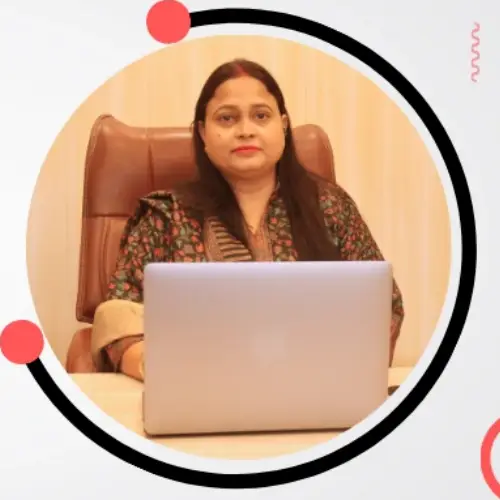
Sapna Kumari is the founder of Sanskriti Fancy Dresses (Since 2018) and a dance teacher who has been closely associated with school cultural programs and stage performances.
Through her work with schools, teachers and parents, she has gained practical experience in planning costumes for annual functions, folk dance performances and fancy dress competitions.
She writes about school costume planning, folk dance dresses and cultural event preparation to help teachers and parents organize stage performances smoothly.
Sapna Kumari has been actively working in the field of school event costumes and cultural performances.
Her experience includes:
costume planning for school annual functions
folk dance costumes for stage performances
fancy dress competition preparation
bulk costume coordination for school events
Through Sanskriti Fancy Dresses, she works closely with teachers, dance instructors and event coordinators to help them arrange costumes efficiently for school programs.