Rajasthan Folk Dance Dress is made for movement. When dances like Ghoomar, Kalbelia, Bhavai, Chari, Gair, or Kachhi Ghodi start, the dress starts moving even before the dancer does. Big skirts open up when someone spins. Dupattas flow. Mirrors catch the light. You can feel the dance just by looking at the clothes.
These dances didn’t start on stages. They started in villages, open grounds, fairs, and community gatherings. People danced for long hours, often in heat. The dress had to be loose, light, and comfortable. Tight or heavy clothes would never work.
Even today, when children perform in schools or groups perform on stage, the same style is followed. The dress looks colourful and traditional, but it is still practical. It is made to dance in, not just to show.
About Rajasthan Folk Dance Dress – Culture, Background and Meaning
In Rajasthan, traditional folk dance dress costume comes straight from daily traditional wear. There was no idea of a “costume” earlier. People danced in what they already wore.
Women wore ghagra, choli, and odhni. Men wore dhoti, kurta, and safa. When there was a festival or celebration, they chose brighter colours and wore the clothes properly. That’s it.
Some dances came from royal areas, so the dress looked richer. Some came from desert villages, so the dress stayed simple and strong. Slowly, these clothes became linked to specific dances.
The thinking behind the dress is very clear:
- Clothes should not restrict movement
- Fabric should suit hot weather
- Colours should be visible from far
- The dress should feel familiar, not new
The meaning is simple. The dress supports the dance. It never becomes more important than the dance.
Cultural Roots of Rajasthan Folk Dance Dress
Rajasthan traditional folk dance dress comes from three main parts of life.
- Desert life: Loose clothing and covered heads protect from sun and heat.
- Royal influence: Rich colours, detailed work, and layered dressing are seen in some dances.
- Village traditions: Simple and strong clothes that allow long dancing and balance.
Fabrics Used in Rajasthan Folk Dance Costumes and Why They Are Chosen
Fabric choice is very practical in Rajasthan.
Most costumes use:
- Cotton for breathability
- Light cotton blends for stage durability
- Soft fabric that flows during turns
Heavy fabric is avoided because it becomes uncomfortable in hot weather. Very shiny fabric is also limited because it does not suit the folk feel. For school programs and cultural events, cotton-based costumes are always the safest and easiest option.
Types of Folk Dances in Rajasthan and Their Costumes
In Rajasthan, every folk dance has its own movement style, and the costume is chosen to match that movement. Some dances are slow and graceful. Some are fast and energetic. Some involve balance or props. Because of this, the dress changes, but it always stays traditional.
Below are the main folk dances of Rajasthan and how the costume looks for each one:
- Ghoomar Folk Dance Dress
- Kalbelia Folk Dance Dress
- Bhavai Folk Dance Dress
- Chari Folk Dance Dress
- Kachhi Ghodi Folk Dance Costume
- Gair Folk Dance Dress
Ghoomar Folk Dance Dress – Flowing Skirts and Grace
Ghoomar is known for spinning movements. The dress is designed so the spin looks beautiful and full.
Women wear long ghagra, fitted choli, and odhni. The skirt is wide so it opens fully when dancers turn.
Some key points of Ghoomar dress:
- Long, flared ghagra
- Bright colours with traditional borders
- Light fabric that flows during spins
- Odhni worn properly over the head
This dress is popular for school and stage programs because it looks elegant and traditional.
Kalbelia Folk Dance Dress – Snake Dancer Style
Kalbelia dance is fast and flexible. The costume matches the sharp movements.
Women usually wear black ghagra-choli with colourful embroidery or mirror work. The dark base helps the movement stand out.
Things to notice in Kalbelia dress:
- Black or dark base colour
- Tight-fitting upper wear for flexibility
- Strong embroidery or mirror work
- Minimal but secure accessories
This dress looks powerful on stage and suits solo or small group performances.
Bhavai Folk Dance Dress – Balance and Practical Dressing
Bhavai is all about balance. Dancers perform while balancing pots, so the dress must stay secure and light. There is no scope for heavy clothes or loose dupattas here.
Women usually wear ghagra, choli, and odhni, but everything is tied properly. The skirt is not too heavy, and the odhni is fixed so it does not slip during movement.
- Light cotton fabric is used
- Ghagra is kept manageable, not very wide
- Jewellery is minimal
- Comfort and safety come first
In Bhavai, a simple and firm costume always works better than a decorative one.
Chari Folk Dance Dress – Pot Dance and Safety
Chari dance also involves balancing pots, often with fire. The dress needs to be safe and well-fitted.
Women wear ghagra-choli in bright colours. The skirt is not too wide so it does not disturb balance.
Important points about Chari dress:
- Flame-safe fabric where possible
- Skirt tied properly
- Minimal accessories
- Focus on stability
This dress is used mostly in cultural demonstrations and festivals.
Kachhi Ghodi Folk Dance Costume – Horse Dance Look
Kachhi Ghodi is a male dance where performers wear a dummy horse.
Men wear kurta, dhoti, and colourful turban. The horse costume is worn around the waist.
Key features:
- Bright turban and kurta
- Lightweight dummy horse
- Secure straps for movement
This costume is more about visual impact than fabric flow.
Gair Folk Dance Dress – Group Dance Uniformity
Gair is a group dance, often done by men. The costume is uniform so the group looks coordinated.
Men wear dhoti-kurta with turbans. Colours are matched across the group.
Some points about Gair dress:
- Simple and matching outfits
- Comfortable fabric
- Easy movement for group steps
This costume works well for large group performances.
Rajasthan Folk Dance Dress for Women
Women’s folk dance dress in Rajasthan is all about movement. The clothes are loose, layered, and made to flow. Most of the time, women wear ghagra, choli, and odhni. This is the same traditional dress worn daily, just brighter and better arranged for dance.
How the dress changes with the dance:
- Ghoomar: Long, wide ghagra so spins look full. Odhni is worn over the head or shoulder.
- Kalbelia: Fitted choli and flexible skirt. Dark colours with embroidery make movement stand out.
- Bhavai / Chari: Lighter ghagra and tightly secured odhni for balance work.
Common points across women’s costumes:
- Cotton or light fabric
- Bright colours with traditional borders
- Proper tying so the dress stays in place
- Jewellery kept light for comfort
The dress should never feel heavy. If it pulls or slips, it affects the dance.
Rajasthan Folk Dance Dress for Men
Men’s folk dance dress in Rajasthan is practical and sturdy. It supports group movement, jumps, and props.
Men usually wear dhoti, kurta, and safa (turban). The style changes slightly based on the dance.
Dance-wise look:
- Gair: Matching dhoti-kurta and turban for group coordination.
- Kachhi Ghodi: Kurta-dhoti with bright turban and dummy horse costume.
Common features in men’s dress:
- Light cotton fabric
- Secure tying at waist and head
- Minimal jewellery or accessories
This keeps movement free and safe.
Colours, Patterns, and Overall Look of Rajasthan Folk Dance Dress
Rajasthan folk dance dress is known for its colours. Bright shades are used so the dance looks lively even from far.
You will often see:
- Red, yellow, green, blue, and pink
- Mirror work and embroidery
- Bold borders and traditional prints
The overall look is lively and traditional. The costume should feel festive but still practical. Whether it is a village fair or a big stage, this colourful style always works.
Jewellery, Headgear, and Accessories Used in Rajasthan Folk Dances
Rajasthan folk dances use jewellery and accessories to complete the look, but they are chosen carefully. They should add beauty without making the dancer uncomfortable.
What is commonly used:
- For women: Bangles, earrings, necklaces, and sometimes nose rings. Jewellery looks heavy but is usually light for dance. Odhni itself is an important part of the look.
- For men: Safa (turban) is the main accessory. Waist belts or light ornaments may be added depending on the dance.
Dance-wise use in short:
- Ghoomar / Kalbelia: Traditional jewellery with mirror work. Accessories are secure and balanced.
- Bhavai / Chari: Minimal jewellery so balance is not disturbed.
- Gair / Kachhi Ghodi: Focus is more on turban and overall costume than jewellery.
- For stage and school programs, jewellery is often made lighter so dancers can move freely.
When and Where Rajasthan Folk Dance Dress Is Commonly Used
Rajasthan folk dance dress is worn in many places, not just on stage.
You will see these costumes in:
- Folk and cultural festivals
- Village fairs and celebrations
- Cultural programs and competitions
- Dance academy shows
- School and college events
For big stages, colours are kept bright so movement is visible. For local events, the dress stays closer to everyday traditional wear.
Rajasthan Folk Dance Dress for Kids and School Programs
For children, Rajasthan folk dance costumes need to be easy to wear and easy to manage. Heavy skirts, long dupattas, and big jewellery only create problems on stage.
Kids usually wear lighter ghagra-choli or simple dhoti-kurta. Odhni is pinned or stitched so it stays in place. Jewellery is kept very minimal or skipped.
- Cotton fabric for comfort
- Shorter skirts and lighter layers
- No heavy accessories
- Safe and secure fitting
For school programs, Ghoomar and Gair-style group costumes are most commonly used because they look good and are easy for children to handle.
Common Mistakes to Avoid While Choosing Rajasthan Folk Dance Costumes
These mistakes are seen very often:
- Using very heavy fabric or jewellery
- Mixing styles from different dances
- Choosing dark colours that hide movement
- Loose odhni or unsafe props
- Ignoring proper fitting
A simple, well-fitted costume always looks better than something overdone.
Frequently Asked Questions
Q. Which Rajasthan folk dance costume works best for group performances?
A. Ghoomar and Gair costumes work well because they look balanced and coordinated.
Q. Are Rajasthan folk dance costumes heavy?
A. Traditional ones can be heavy, but stage and school versions are usually light.
Q. Is jewellery compulsory for all dances?
A. No. Some dances need minimal jewellery, especially balance-based dances.
Q. Can these costumes be used for stage shows?
A. Yes. They are widely used in cultural festivals and folk performances.
Q. Are shoes worn in Rajasthan folk dances?
A. Most dances are performed barefoot.
Q. Can stitched costumes be used for kids?
A. Yes. Stitched versions are safer and easier for children.
Q. How early should costumes be arranged?
A. At least one to two weeks before the event.
Q. Can one costume be reused?
A. Yes. With proper care and storage, they can be reused many times.
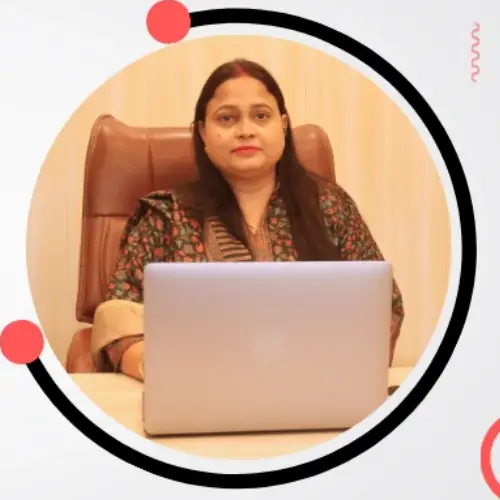
Sapna Kumari is the founder of Sanskriti Fancy Dresses (Since 2018) and a dance teacher who has been closely associated with school cultural programs and stage performances.
Through her work with schools, teachers and parents, she has gained practical experience in planning costumes for annual functions, folk dance performances and fancy dress competitions.
She writes about school costume planning, folk dance dresses and cultural event preparation to help teachers and parents organize stage performances smoothly.
Sapna Kumari has been actively working in the field of school event costumes and cultural performances.
Her experience includes:
costume planning for school annual functions
folk dance costumes for stage performances
fancy dress competition preparation
bulk costume coordination for school events
Through Sanskriti Fancy Dresses, she works closely with teachers, dance instructors and event coordinators to help them arrange costumes efficiently for school programs.