Tippani folk dance dress does not come from celebration first. It comes from work. Heavy work. The kind done under the sun, on hard ground, with no music except the sound of tools hitting the floor.
The costume reflects that origin. Skirts are controlled, dupattas are tied tight, jewellery is solid, and nothing is loose or delicate. This is a dance built around strength and rhythm, not softness.
Tippani is performed mainly in coastal Saurashtra, Gujarat. Whether it is danced on a village ground, a cultural stage, or a school program, the costume always carries the same feel, strong, practical, and deeply connected to labour.
What Does the Tippani Folk Dance Dress Look Like During Performance
When Tippani starts, the costume immediately feels powerful. Women stand in rows, holding long wooden sticks, and the dress moves with weight and purpose.
The chaniya does not fly freely like Garba. It stays controlled so it doesn’t come in the way of the stick. The dupatta is tied firmly, often around the waist or head.
Jewellery is bold but stable. Bangles stay close. Anklets add sound without overpowering the heavy thud of the Tippani hitting the ground.
What is Tippani Folk Dance and Who Performs It
Tippani is a folk dance from the Saurashtra region of Gujarat. It was originally performed by women from Koli and Kharva fishing communities.
While the men were away at sea, women worked at construction sites, leveling floors using heavy sticks called Tippanis. Over time, this work turned into rhythm and then into dance.
Because the dance comes from labour, the costume had to allow strength, balance, and repetition. Fancy or flowing clothes would never survive this movement.
Why Tippani Dance Costume Is Built for Heavy Movement and Stomping
Tippani dance involves lifting and striking a heavy stick again and again. The body moves up and down with force.
That’s why the costume is built tight and secure.
- Skirts are shorter or tucked so they don’t get caught
- Dupattas are tied, not draped
- Jewellery is sturdy, not dangling
Footwork includes strong stomping. Anklets add rhythm, but they are balanced against the deep sound of the Tippani hitting the earth.
What is Included in a Complete Tippani Folk Dance Dress
A complete Tippani folk dance dress includes clothing and tools working together.
For women, this usually includes:
- Chaniya choli in bright, earthy colours
- A short or firmly tied dupatta
- Heavy oxidized silver jewellery
- Ghungroos on the ankles
- The Tippani stick with the Garbo at the base
For men, who usually play instruments, the costume is different and supportive.
Tippani Folk Dance Dress for Women
Tippani folk dance dress for women is built around strength and repetition. This is not a light or decorative costume. The dancers lift and strike a heavy stick again and again, so the clothing has to stay out of the way and hold its shape.
Below is a simple breakdown of each part of the women’s Tippani folk dance dress and why it is worn that way.
| Costume Part | What Is Worn | Why It Is Worn This Way |
|---|---|---|
| Chaniya (Skirt) | A flared skirt, often shorter than Garba skirts or slightly tucked | Keeps fabric away from the Tippani stick and feet during heavy stomping |
| Choli (Blouse) | Fitted blouse, usually simple and sturdy | Stays in place during repeated up-down body movement |
| Odhnî (Dupatta) | Short dupatta tied around the waist or over the head | Prevents loose fabric from interfering with stick movement |
| Colours | Bright shades like red, yellow, green, deep blue | Reflect energy and visibility, even in dusty or open grounds |
| Jewellery | Heavy oxidized silver bangles, necklaces, nath | Traditional, durable, and worn close to the body |
| Ghungroos | Brass ankle bells | Add rhythm that supports the heavy sound of the Tippani hitting the ground |
| Footwear | Barefoot or minimal support | Allows better grip and balance during strong stomping |
| Tippani Stick | Long wooden stick with a weighted base (Garbo) | Core of the dance, used as both tool and rhythm instrument |
Chaniya Choli Worn in Tippani Folk Dance
Women in Tippani wear chaniya choli, but it is not the same as Garba or Dandiya style. This one is made for strength, not spin.
The chaniya is flared but controlled. It should allow leg movement without flying around when the stick is lifted or struck.
The choli is fitted and sturdy. It has to stay in place during repeated up-and-down movement.
What matters most is balance. The outfit should feel solid on the body, not light or decorative.
Skirt Length and Tucking Style in Tippani Dance Costume
Skirt length is very important in Tippani. Long, flowing skirts become a problem the moment the stick hits the ground.
That’s why the chaniya is often worn shorter or tucked slightly at the waist.
Common practices include:
- Keeping the hem above the ankles
- Tucking one side of the skirt to free the legs
- Securing pleats firmly so they don’t open
The skirt must stay away from the Tippani stick and the feet at all times.
Odhni (Dupatta) Style and How It Is Secured in Tippani Dance
The dupatta in Tippani is not draped loosely. It is tied with purpose.
Women often secure the odhnî around the waist or over the head. This keeps the upper body free and avoids any loose fabric.
Why this matters:
- Loose dupattas interfere with stick movement
- Tying helps absorb sweat and heat
- It keeps the look practical and uniform
The dupatta works as part of the workwear feel of the costume.
Jewellery Worn by Women in Tippani Folk Dance Costume
Jewellery in Tippani is heavy and traditional. Oxidized silver is common.
Typical pieces include:
- Thick bangles
- Nose ring (nath)
- Chunky necklaces
The jewellery sits close to the body. Nothing is sharp or swinging freely.
These pieces come from tribal traditions and are worn with confidence, not delicacy.
Ghungroos and Sound Support in Tippani Dance
Ghungroos are tied around the ankles to add rhythm to the dance.
In Tippani, they don’t overpower the sound. They support it.
The main beat comes from the Tippani stick hitting the ground. Ghungroos add a lighter layer of sound around that heavy thud.
The balance between the two sounds is important. Too many bells would spoil the rhythm.
What Is a Tippani Stick and How It Is Made
The Tippani stick is not a prop. It is a real working tool that became part of the dance.
The stick is long, usually around the height of the dancer. It is made from strong wood so it can handle repeated striking.
At the bottom of the stick is extra weight. This weight is what gives Tippani its deep, heavy sound.
Because the stick is heavy, dancers need full control over their body and clothing. Any loose costume would immediately get in the way.
Garbo (Iron Block) at the Base and Its Role in Rhythm
The Garbo is the block fixed at the bottom of the Tippani stick. It can be iron or solid wood.
This part does two things. It adds weight, and it creates sound.
When the Garbo hits the ground, it produces a deep thud. That sound becomes the main beat of the dance.
Other instruments follow this rhythm. Ghungroos, manjira, and dhol all layer on top of it.
Because of this, the Garbo must stay stable. If the stick slips or tilts, the rhythm breaks.
How Costume and Stick Work Together in Tippani Folk Dance
In Tippani, the costume is designed around the stick, not the other way around.
Every clothing choice supports the tool:
- Shorter or tucked skirts keep fabric away from the Garbo
- Tied dupattas prevent obstruction during lifting
- Bare feet allow better grip while striking
The stick sets the rhythm. The body follows. The costume adapts.
Tippani Folk Dance Dress for Men (Musicians & Accompaniment)
In Tippani performances, men are not the main dancers. Their role is to support the rhythm and structure of the dance. Because of that, their costume is simpler and lighter than the women’s, but it still follows traditional Gujarati style.
Below is a breakdown of what men usually wear in Tippani folk dance performances and why each part is chosen.
| Costume Part | What Is Worn | Why It Is Worn This Way |
|---|---|---|
| Kedia Jacket | Short, frilled Gujarati-style jacket | Allows free arm movement while playing instruments |
| Churidar / Trousers | Tight-fitting lower wear | Prevents tripping and keeps movement controlled |
| Pheta (Turban) | Colourful Gujarati turban | Adds traditional identity without distracting from dance |
| Fabric | Cotton or cotton-blend | Keeps the performer comfortable during long performances |
| Colours | Bright but balanced shades | Matches the festive mood without overpowering the women dancers |
| Jewellery | Minimal or none | Avoids noise and distraction during music performance |
| Footwear | Barefoot or simple traditional footwear | Allows steady posture while playing instruments |
| Instruments | Dhol, manjira, zanz, or other percussion | Provide rhythm layered over the Tippani stick beat |
Kedia Jacket Worn by Men in Tippani Performances
Men in Tippani are usually musicians, not dancers, but their dress still matters. The kedia jacket is the most common upper wear.
The kedia is short and flared slightly. It allows free arm movement while playing instruments like dhol or manjira.
Colours are bright, but not overpowering. The jacket supports the women’s performance without stealing attention.
Churidar and Lower Wear for Male Performers
Men usually wear churidar or tight-fitting trousers. This keeps the lower body clean and controlled.
Since musicians often sit, stand, and move around the dancers, loose bottoms would get in the way.
The narrow fit near the ankles helps avoid tripping over instruments or wires on stage.
Comfort matters here. Performances can go on for long stretches, so breathable fabric is preferred.
Pheta (Turban) Style in Tippani Folk Dance
The pheta completes the men’s look. It adds colour and ties the costume to Gujarati tradition.
Phetas are tied firmly so they don’t loosen during drumming or movement.
Decoration is simple. No heavy mirror work or hanging pieces.
The turban gives presence without distraction, which is exactly what’s needed for accompanists.
Tippani Folk Dance Dress for Kids and School Performances
For children, Tippani costume is always adapted. Schools do not use the full heavy version, especially the original Tippani stick.
The aim is safety first, look second.
What usually changes for kids:
- Lighter chaniya choli with shorter skirt length
- Soft wooden Tippani sticks without heavy iron Garbo
- Minimal jewellery to reduce weight
- Ghungroos used only if the child is comfortable
Dupattas are stitched or tightly tied so nothing slips during movement. The costume still looks like Tippani, just easier to manage.
Common Mistakes While Choosing Tippani Folk Dance Dress
Most mistakes happen when Tippani is treated like a festive dance.
Common issues include:
- Using very long or loose skirts
- Leaving dupattas draped instead of tied
- Choosing very light sticks that lose rhythm
- Overloading jewellery
If the costume looks pretty but makes movement difficult, it’s wrong for Tippani.
Frequently Asked Questions
Q. Tippani folk dance dress belongs to which region?
A. Tippani comes from the Saurashtra region of Gujarat. It is mainly linked to coastal communities like the Koli and Kharva.
Q. Why does Tippani dance costume look different from other Gujarati dances?
A. Because Tippani comes from labour, not celebration. The costume is built for strength and repetition, not spinning or graceful turns.
Q. What do women wear in Tippani folk dance?
A. Women wear chaniya choli with a controlled skirt, tightly tied dupatta, heavy silver jewellery, ghungroos, and carry the Tippani stick.
Q. What is the Tippani stick made of?
A. It is a long wooden stick with a heavy iron or wooden block at the base. That weight creates the strong rhythm when it hits the ground.
Q. Do men also wear Tippani folk dance costume?
A. Men usually don’t dance in Tippani. They play instruments and wear kedia, churidar, and pheta as supporting performers.
Q. Are ghungroos important in Tippani dance dress?
A. Yes. They add a lighter rhythm that balances the heavy sound of the Tippani stick hitting the floor.
Q. Can Tippani folk dance dress be used for school performances?
A. Yes, but in a simplified form. Schools use lighter sticks, shorter skirts, minimal jewellery, and safer fittings.
Q. What is the most common mistake in Tippani dance costume?
A. Treating it like a festive dance. Long skirts, loose dupattas, and very light sticks don’t work for Tippani.
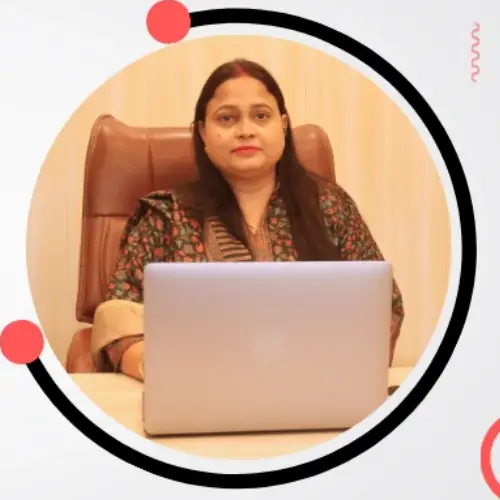
Sapna Kumari is the founder of Sanskriti Fancy Dresses (Since 2018) and a dance teacher who has been closely associated with school cultural programs and stage performances.
Through her work with schools, teachers and parents, she has gained practical experience in planning costumes for annual functions, folk dance performances and fancy dress competitions.
She writes about school costume planning, folk dance dresses and cultural event preparation to help teachers and parents organize stage performances smoothly.
Sapna Kumari has been actively working in the field of school event costumes and cultural performances.
Her experience includes:
costume planning for school annual functions
folk dance costumes for stage performances
fancy dress competition preparation
bulk costume coordination for school events
Through Sanskriti Fancy Dresses, she works closely with teachers, dance instructors and event coordinators to help them arrange costumes efficiently for school programs.