Lebang Boomani folk dance dress is colorful, light, and very traditional. It comes from the Tripuri community of Tripura. This dance is linked to the harvest season. It shows people catching small insects called Lebang in the fields.
The costume reflects this theme. It uses bright colors and handwoven designs. The dress includes traditional wrap garments, geometric patterns, tribal jewellery and bamboo sticks. The overall look is simple but very lively.
In performances, the costume moves with the dancer. The colors stand out. In school programs and cultural events, this dance looks unique. The clicking sticks and bright dress create a strong effect.
What Is Lebang Boomani Folk Dance and Where Is It Performed
Lebang Boomani is a traditional dance from Tripura. It is performed by the Tripuri community during the harvest season. The dance is based on a simple idea. Dancers try to catch “Lebang” insects.
The performance includes rhythmic stepping, hand movements and clicking bamboo sticks. The dance is usually seen in village celebrations, harvest festivals, cultural events and school programs.
The movements are playful and coordinated. The costume supports this style. It allows easy movement and group performance.
Why Costume Is Important in Lebang Boomani Folk Dance
In Lebang Boomani, the costume plays a big role. It is not heavy or complex. But it is very meaningful. The costume helps in:
- showing tribal identity
- supporting free movement
- creating bright stage presence
- matching the harvest theme
The colors are bright like yellow, red and green. These colors represent crops and nature. The jewellery adds shine and sound. The bamboo sticks also become part of the overall look.
Because of this, choosing the right Lebang Boomani folk dance dress for performance is important.
Types of Lebang Boomani Folk Dance Costumes
Lebang Boomani is performed by both women and men. Their costumes are different.
Women’s Costume
Women wear traditional Tripuri dress. It includes:
- Rignai (wrap skirt)
- Risa (upper cloth)
- Rikutu (shoulder cloth)
The dress is colorful and patterned.
Men’s Costume
Men wear simple traditional clothing. It includes:
- dhoti or waistcloth
- shawl
- turban
The look is simple but traditional.
What Is Included in a Complete Lebang Boomani Folk Dance Dress
Lebang Boomani costume looks simple at first. But it has many important parts. Each piece has a role in movement and appearance.
A complete Lebang Boomani folk dance dress includes both clothing and accessories. For women, the main components are:
- Rignai (wrap skirt)
- Risa (upper cloth)
- Rikutu (shoulder cloth)
- traditional jewellery
- bamboo sticks
For men, the costume includes:
- waistcloth or dhoti
- shawl (rikutu)
- turban
- bamboo sticks
The bamboo sticks are not just props. They are a key part of the dance and overall look.
All items are lightweight. This is important because the dance involves bending, stepping, and quick hand movements. The costume must stay secure during movement. At the same time, it should look bright and traditional.
Lebang Boomani Folk Dance Dress for Women
The women’s costume is the highlight of this dance. It is colorful and based on Tripuri handloom.
Rignai (Lower Garment)
The Rignai is a wrap-around skirt. It is the base of the costume. It is handwoven, strong and durable and comfortable for movement. The design is very important. It includes:
- bright colors like red, yellow, blue
- horizontal patterns
- traditional motifs (butta designs)
Some patterns are inspired by nature. They may represent flowers or even the Lebang insects. The skirt is tied securely. It should not loosen during dance.
Risa (Upper Cloth)
The Risa is worn on the upper body. It is a short cloth that is wrapped around the chest, tied firmly and decorated with detailed patterns. This is often the most decorated part of the costume. It may include:
- embroidery
- geometric designs
- bright thread work
The Risa must fit properly. It should allow free arm movement.
Rikutu (Shoulder Cloth)
The Rikutu is a long cloth. It is worn over the shoulders or sometimes on the head. It adds a layered look to the costume.
When the dancer moves, the cloth flows slightly. This adds grace to the performance. It is usually:
- lightweight
- simple but colorful
Lebang Boomani Folk Dance Dress for Men
Men’s costume is simple but meaningful. It reflects the traditional lifestyle of farmers or hunters.
Kamchwlwi Borok (Waistcloth)
This is a short dhoti or cloth worn around the waist. It is:
- light
- easy to wear
- suitable for movement.
It allows bending, walking and quick steps.
Rikutu (Shawl)
Men also wear a shawl. It is draped over the shoulder, simple and handwoven. It adds a traditional touch to the costume.
Turban (Pagri)
A turban is worn on the head. It is usually:
- white
- made of cotton.
Sometimes it is decorated with leaves and flowers. This connects the costume with the harvest theme.
Lebang Boomani Folk Dance Dress for Kids and School Performances
In schools, the costume is modified for comfort and safety. A Lebang Boomani folk dance dress for kids for school performance includes:
- lightweight fabric
- stitched or easy-to-wrap design
- simple jewellery
- safe bamboo sticks
Rignai (Wrap Skirt) Design, Colors, and Motifs
Rignai is the main garment in the costume. It defines the overall look. It is a wrap-around skirt. It is not stitched like modern skirts. The design of the Rignai is very important. It includes:
- bright colors like red, yellow, blue
- horizontal stripe patterns
- traditional motifs (butta designs)
In Lebang Boomani, some motifs represent:
- insects (Lebang)
- flowers
- nature elements
These designs connect the costume to the harvest theme. The weaving is done using traditional methods. This makes each piece unique.
Rignai is worn tightly around the waist. It should stay secure during movement. It allows easy walking, smooth turning and comfortable dancing.
Risa (Upper Cloth) Design and Embroidery Details
Risa is a small but important part of the costume. It is worn around the upper body. It is:
- wrapped around the chest
- tied securely
- decorated with detailed patterns
The Risa often has the most detailed design. It may include:
- embroidery work
- geometric patterns
- bright thread designs
The colors are usually vibrant. They match the Rignai. The Risa must fit properly. It should not loosen during the dance. It allows free arm movement, which is important for handling bamboo sticks.
Rikutu (Shoulder Cloth) and Its Styling in Dance
Rikutu is an additional cloth. It adds style and movement to the costume. It is usually:
- long and narrow
- lightweight
- handwoven
It can be worn in different ways:
- draped over the shoulders
- wrapped on the head
During the dance, the Rikutu moves slightly with the dancer. This adds grace. It also gives a layered look to the costume. Even though it is simple, it completes the outfit.
Tribal Jewellery Used in Lebang Boomani Costume (Coin Necklace, Bangles, Earrings)
Jewellery in Lebang Boomani is traditional and noticeable. It adds shine and movement to the costume. The most important jewellery is the coin necklace (Rangbauga).
It is made with metal coins and long chains. It creates a soft jingling sound during movement.
Other jewellery includes:
- bangles (Wakhum)
- earrings (Sangai)
- simple necklaces
These are usually made from silver, brass and metal. The jewellery is slightly heavy but manageable. It enhances the overall look of the dancer.
Bamboo Sticks (Lebang Props) and Their Role in Costume Look
The bamboo sticks are the main highlight of this dance. They are not just props. They are part of the costume identity. Dancers hold small bamboo sticks in their hands. These sticks are:
- light in weight
- smooth
- easy to handle
When struck together, they make a clicking sound. This sound represents catching the Lebang insects. The sticks also add to the visual look.
They are often polished and neatly shaped. The movement of sticks makes the dance more engaging.
Anklets and Sound Elements in Lebang Boomani Dance
Sound plays a big role in this dance. Apart from sticks, anklets also create rhythm. Dancers wear metal anklets and sometimes light bells. These produce sound when the dancer steps. The sound helps in:
- maintaining rhythm
- coordinating group movement
- enhancing performance
Hairstyle and Natural Makeup in Lebang Boomani Dance
Hair and makeup are kept simple. The focus is on natural look. For women and girls hair is tied in a bun or braid and sometimes decorated with flowers.
The style is neat and traditional. Makeup is minimal. It includes light base, simple eye makeup and small bindi. Some dancers may add tribal-style markings. The overall look remains natural and clean.
How Schools and Dance Groups Choose the Right Lebang Boomani Folk Dance Dress
Schools focus on comfort and uniformity. Important points include:
- lightweight fabric
- easy-to-wear costume
- proper fitting
- safe bamboo sticks
- matching colors for all dancers
Stitched costumes are often used. They save time and stay secure. Teachers also ensure students can move freely, costume does not loosen and performance looks neat.
Common Mistakes While Choosing Lebang Boomani Folk Dance Dress
Some mistakes can affect the performance. One common mistake is heavy costume. It makes movement difficult. Another mistake is poor-quality fabric. It reduces comfort. Other mistakes include:
- loose wrapping of rignai or risa
- mismatched colors
- missing jewellery
- unsafe or heavy bamboo sticks
Avoiding these mistakes helps in better performance.
Frequently Asked Questions
Q. What is the main dress in Lebang Boomani dance?
A. Rignai, Risa, and Rikutu are the main parts of the costume.
Q. What are bamboo sticks used for?
A. They are used to create clicking sound and represent catching insects.
Q. What fabric is used in Lebang Boomani costume?
A. Handwoven cotton is commonly used.
Q. Is the costume heavy?
A. Traditional costumes can be heavier. Stage costumes are lighter.
Q. Can Lebang Boomani be performed in schools?
A. Yes. Schools use simplified and lightweight costumes.
Q. What jewellery is used in the dance?
A. Coin necklaces, bangles, and earrings are used.
Q. What makes this costume unique?
A. Handwoven patterns and bamboo sticks make it unique.
Q. Why is uniform costume important?
A. It helps create synchronized group performance.
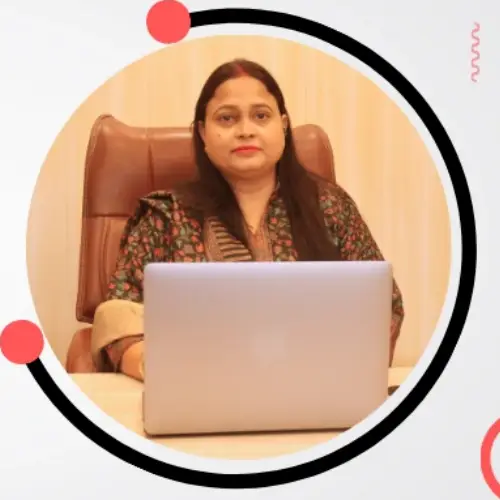
Sapna Kumari is the founder of Sanskriti Fancy Dresses (Since 2018) and a dance teacher who has been closely associated with school cultural programs and stage performances.
Through her work with schools, teachers and parents, she has gained practical experience in planning costumes for annual functions, folk dance performances and fancy dress competitions.
She writes about school costume planning, folk dance dresses and cultural event preparation to help teachers and parents organize stage performances smoothly.
Sapna Kumari has been actively working in the field of school event costumes and cultural performances.
Her experience includes:
costume planning for school annual functions
folk dance costumes for stage performances
fancy dress competition preparation
bulk costume coordination for school events
Through Sanskriti Fancy Dresses, she works closely with teachers, dance instructors and event coordinators to help them arrange costumes efficiently for school programs.