Jhora folk dance dress is simple, traditional, and very graceful. It is not heavy or dramatic like warrior dances. It is made for smooth group movement. This dance comes from the Kumaon region of Uttarakhand. It is a community dance where people stand in a circle and dance together.
The costume reflects daily life and local culture. It is not designed for battle or drama. It is designed for comfort and rhythm. The dress includes traditional Kumaoni clothing, bright and earthy colors and simple jewellery.
The most special part is how all dancers look together. When they move in a circle, the colors flow like a pattern. The costume supports steady steps, group coordination and long performance. It feels natural and easy to wear.
What Is Jhora Folk Dance and Where Is It Performed
Jhora is a traditional folk dance of Uttarakhand. It is mainly performed in the Kumaon region. This dance is special because everyone can join. It is not limited to one group. It is performed during festivals, village gatherings, seasonal celebrations and cultural programs.
People stand in a circle and dance together. They move with slow steps, hand movements and coordinated rhythm. The dance is joyful and relaxed. The costume supports this style. It allows free movement and comfort.
Why Costume Is Important in Jhora Folk Dance
In Jhora dance, the costume helps create a group look. Since dancers move in a circle, everyone is connected. The dress should look uniform, move smoothly and feel comfortable. The Pichora and sash create a flowing effect when the circle moves.
The costume also shows Kumaoni culture. It reflects daily life, tradition and festive mood. Heavy or tight clothing can disturb movement. So the costume must be light and easy. Choosing the right Jhora folk dance dress for school performance is very important for group coordination.
Types of Jhora Folk Dance Costumes (Women and Men Styles)
Jhora dance is performed by both women and men. Their costumes are different but match in style.
Women’s Costume
Women wear colorful traditional dress. It includes Pichora (yellow stole), Ghagra (long skirt) and Aangra (blouse). The look is bright and elegant.
Men’s Costume
Men wear simple traditional clothing. It includes kurta, pajama, jacket and topi. The colors are mostly light with some contrast.
Jhora Folk Dance Dress for Women (Pichora, Ghagra, Aangra)
The women’s costume is the most colorful part of Jhora dance. It reflects Kumaoni tradition.
Pichora (Rangwali)
The Pichora is the most important piece. It is yellow or saffron in color, decorated with red dots and bordered with traditional designs. It is worn over the head and shoulders.
It is considered a symbol of good luck, tradition and celebration. It stands out clearly when dancers move in a circle.
Ghagra (Skirt)
The ghagra is long and wide. It is usually made of cotton or velvet and dark in color like green, maroon, or blue. The dark color creates contrast with the bright Pichora.
The skirt allows smooth steps, easy movement and proper flow during dance.
Aangra (Blouse)
The blouse is simple and full-sleeved. It is fitted
comfortable and matching or contrasting. It allows free arm movement. The design is not heavy. It is practical and neat.
Jhora Folk Dance Dress for Men (Kurta, Pajama, Jacket, Topi)
The men’s costume is simple but balanced.
Kurta and Pajama
Men wear plain kurta and churidar or pajama. These are usually white or cream and made of cotton. They are light and comfortable.
Jawahar Jacket (Sadri)
A sleeveless jacket is worn over the kurta. It is darker in color
simple in design. It adds structure to the costume.
Topi (Cap)
The traditional Kumaoni cap is worn. It is black or grey
simple and neat. Sometimes it is decorated with a small flower.
Sash (Waist Cloth)
A cloth is tied around the waist. It adds color contrast and traditional touch.
Fabric Used in Jhora Dance Costume and Climate Comfort
Fabric in Jhora costume is chosen for comfort. The dance happens in hilly areas, so the dress must feel easy on the body. Traditional fabrics include cotton, wool (for colder areas) or velvet (for festive look). Cotton is the most common. It is breathable, light and comfortable for long duration.
In colder regions, slightly thicker fabric is used. For stage and school use, lighter fabrics are preferred. The costume should:
- not feel heavy
- allow easy movement
- stay comfortable in long performances
Comfort is more important than heavy design in this dance.
Pichora (Rangwali) Design, Color, and Cultural Meaning
The Pichora is the most important part of the women’s costume. It is usually:
- yellow or saffron
- decorated with red dots
- bordered with traditional patterns
It is worn on the head and shoulders. The Pichora is not just a cloth. It has cultural meaning. It represents good luck, tradition and festive identity.
In Kumaon, it is worn during important occasions. During Jhora dance, it creates a beautiful visual effect. When dancers move in a circle, the Pichora forms a flowing pattern.
Ghagra (Skirt) Design, Flare, and Movement Support
The ghagra is long and wide. It is designed for smooth movement. It is usually made of cotton or velvet and dark in color. Common shades includes green, maroon and blue. The dark color balances the bright Pichora.
The flare of the skirt helps in easy walking, smooth turning and natural flow. It should not be too heavy. It should allow steady steps in group dance.
Aangra (Blouse) Design and Fit
The Aangra is a simple blouse. It is usually full-sleeved
fitted and comfortable. It matches or contrasts with the ghagra. The blouse should:
- stay secure
- allow free arm movement
- not feel tight
Since the dance involves hand movements, comfort is important. The design is simple. It focuses more on function than decoration.
Traditional Jewellery Used in Jhora Costume (Galaoband, Nath)
Jewellery in Jhora dance is traditional and meaningful. It is not very heavy. But it is important for the look. Common jewellery includes:
- Galaoband (choker necklace)
- Nath (nose ring)
- earrings
- bangles
The Galaoband is a signature piece. It is worn close to the neck. The Nath is large and noticeable. These pieces reflect Kumaoni culture. Jewellery should stay secure, not disturb movement and match the costume.
Topi and Accessories in Men’s Costume
Men’s costume includes a traditional cap called topi. It is usually black or grey and simple and neat. Sometimes it is decorated with small flower and leaf. This adds a festive touch.
Other accessories includes waist sash and simple ornaments. These complete the traditional look.
Sash and Its Role in Group Dance Look
The sash is tied around the waist. It is simple but important. It adds color contrast and uniform look. When dancers stand in a circle, the sash creates a continuous line.
This improves the visual effect of the group. The sash should be tied properly, not too loose and comfortable.
Footwear and Grip in Jhora Dance
Footwear is important for movement. Traditionally, dancers perform barefoot or in simple footwear. Barefoot dancing gives better grip.
It helps in steady movement and balance on uneven ground. In modern performances, simple shoes or juti may be used. The focus is on grip, comfort and safety.
Color Combination and Visual Effect in Circle Formation
Color plays a big role in Jhora dance. The combination is usually bright Pichora (yellow), dark ghagra and simple blouse
For men light kurta, dark jacket and colored sash. When dancers move in a circle, these colors create a flowing pattern.
The group looks connected and balanced. The costume is designed to enhance this circular movement.
How Schools and Dance Groups Choose the Right Jhora Folk Dance Dress
Schools focus on comfort and uniformity. Important points include:
- lightweight fabric
- proper fitting
- easy-to-wear costume
- matching colors for all dancers
Teachers also ensure costume is not heavy, students can move freely and dress stays secure. Stitched costumes are often used.
The aim is to keep the traditional look while making it practical.
Common Mistakes While Choosing Jhora Folk Dance Dress
Some mistakes can affect the performance. One common mistake is heavy costume. It makes movement difficult. Another mistake is wrong color combination. It breaks the group look.
Other mistakes include loose Pichora, uncomfortable blouse
too much jewellery and poor fitting. Avoiding these mistakes helps in smooth group performance.
Frequently Asked Questions
Q. What is the main dress in Jhora dance?
A. Women wear Pichora, ghagra, and blouse. Men wear kurta and pajama.
Q. What is Pichora?
A. It is a traditional yellow stole with red designs.
Q. What fabric is used in Jhora costume?
A. Cotton and light fabrics are commonly used.
Q. Do dancers wear jewellery in Jhora?
A. Yes, simple traditional jewellery is used.
Q. Can Jhora be performed in schools?
A. Yes. It is very common in school programs.
Q. Why is uniform costume important?
A. It helps create a neat and coordinated group look.
Q. Do dancers wear footwear?
A. Usually barefoot or simple footwear is used.
Q. What makes Jhora costume unique?
A. Its simple, colorful, and group-friendly design makes it unique.
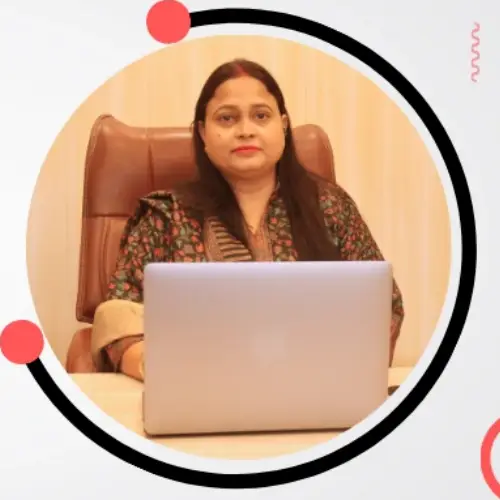
Sapna Kumari is the founder of Sanskriti Fancy Dresses (Since 2018) and a dance teacher who has been closely associated with school cultural programs and stage performances.
Through her work with schools, teachers and parents, she has gained practical experience in planning costumes for annual functions, folk dance performances and fancy dress competitions.
She writes about school costume planning, folk dance dresses and cultural event preparation to help teachers and parents organize stage performances smoothly.
Sapna Kumari has been actively working in the field of school event costumes and cultural performances.
Her experience includes:
costume planning for school annual functions
folk dance costumes for stage performances
fancy dress competition preparation
bulk costume coordination for school events
Through Sanskriti Fancy Dresses, she works closely with teachers, dance instructors and event coordinators to help them arrange costumes efficiently for school programs.