Maharashtra Folk Dance Dress is easy to recognise. When you see dances like Lavani, Koli, Dhangari Gaja, Tamasha, Gondhal, or Powada, the dress looks strong and well-tied. Nothing is loose. Nothing is extra. The costume is made so the dancer can move fast, turn quickly, and still look confident on stage.
These dances did not start on big stages. They started in villages, coastal areas, fairs, and temple spaces. People danced during festivals, storytelling programs, and community gatherings. So the clothes had to stay in place even when the dance was energetic. That is why Maharashtra folk dress uses firm draping, bold colours, and clear shapes.
In school programs, this dress works very well. Children feel confident, the group looks powerful, and the dance is clearly visible even from the last row.
About Maharashtra Folk Dance Dress – Culture, Background and Meaning
Maharashtra folk dances are not soft or slow. They are expressive and full of energy. The dress follows the same thinking. It is worn tight, neat, and practical.
People did not create special costumes earlier. They danced in their regular clothes. Women wore sarees. Men wore dhoti and pheta. For dance, these clothes were tied more firmly and colours were chosen a little brighter so movements could be seen clearly.
Some very simple points explain this dress style:
- The dress is tied properly so it does not move during fast steps
- Colours are bold so the dancer stands out in open spaces
- Fabric is comfortable because dances go on for long time
- Headgear and jewellery show local identity, not show-off
For school children, this means one thing. The costume should feel secure. If a child keeps fixing the dress, the dance will never look good.
Types of Folk Dances in Maharashtra and Their Costumes – How Dress Changes with Dance Form
Each folk dance in Maharashtra has its own way of dressing. The base remains traditional, but the way the clothes are worn changes with the dance.
Some dances need free leg movement. Some focus more on expressions. Some are group dances with strong rhythm. Because of this, the costume is adjusted.
Here is how some common dances look:
- Lavani: Women wear nauvari saree tied tightly so legs move freely. The look is bold and confident.
- Tamasha: A stage performance dance. Costumes are colourful but still based on traditional clothing.
- Koli Dance: A coastal dance. Dress looks simple and practical, inspired by fisher community wear.
- Dhangari Gaja: A shepherd dance. The costume looks strong and rustic to match energetic steps.
- Gondhal and Powada: Ritual and storytelling forms. The dress is simple, traditional, and serious in look.
For school events, teachers usually choose Lavani (simplified), Koli dance, or general Maharashtra folk themes. These costumes are easy to manage, clearly Maharashtra in style, and comfortable for children.
Lavani Folk Dance Dress – Saree Style, Fabric, Colours, and Look
Lavani is a fast and expressive folk dance, so the dress must allow free leg movement and quick turns. That is why women wear the nauvari saree, tied tightly in a dhoti style.
Both cotton and satin fabrics are used in Lavani sarees.
- Cotton is used for long performances, outdoor shows, and school programs because it is comfortable and easy to manage.
- Satin is used for stage shows because it gives shine and looks bright under lights, but it needs proper fitting so it does not slip.
Other important points about Lavani dress:
- Colours are bold like red, green, purple, or mustard
- Borders are strong so the drape looks sharp
- Blouse is fitted and secure
- Jewellery is visible but not too heavy
For schools, pre-stitched nauvari sarees are always better. They give the same look without the risk of the saree coming loose during dance.
Tamasha Folk Dance Dress – Performance Costume and Traditional Feel
Tamasha is more of a stage performance folk form. It includes dance, music, and acting. Because of this, the costume looks slightly more colourful than regular folk dress, but it is still traditional.
Women wear nauvari saree or performance-style saree with bright colours. Men wear dhoti, kurta, and sometimes a pheta. The look is lively because Tamasha is meant to entertain.
Things to note about Tamasha dress:
- Colours are bright to match stage lighting
- Fabric is light so performers can move freely
- Jewellery is used but kept balanced
- Costumes are well-fitted to avoid distractions
For school programs, Tamasha dress is simplified so it does not look too dramatic or heavy.
Koli Folk Dance Dress – Coastal Influence and Practical Dressing
Koli dance comes from the fisher community of Maharashtra. The dress reflects coastal life and daily working clothes. It looks simple, cheerful, and very practical.
Women usually wear sarees tied shorter, often above the ankle. Blouses are comfortable, and a scarf or cloth is sometimes tied around the waist or head. Men wear short dhoti or lungi with shirt or vest.
Key points of Koli dress:
- Bright colours like blue, yellow, green, and orange
- Cotton fabric for comfort
- Saree tied short for easy movement
- Very light jewellery or none
Koli dance costume is very popular in schools because it is easy to wear and looks lively on stage.
Dhangari Gaja Folk Dance Dress – Shepherd Community Style
Dhangari Gaja is a folk dance of the shepherd community. The dance is energetic, and the dress looks strong and rustic.
Men wear dhoti, kurta, and a traditional cap or pheta. A blanket or shawl is sometimes carried to show the shepherd lifestyle. The colours are earthy and solid.
Important points about this dress:
- Fabric is thick enough to hold shape
- Colours like white, brown, and dull red are common
- Accessories are minimal and meaningful
- The look matches the strong steps of the dance
For schools, the costume is kept light, and heavy items are avoided.
Gondhal Folk Dance Dress – Ritual Dance Clothing
Gondhal is a ritual folk dance connected to devotion and storytelling. The dress is simple and serious in look.
Men wear dhoti, kurta, and pheta. Colours are usually white, saffron, or light shades. Jewellery is minimal because the focus is on singing and rhythm.
Some basic features:
- Clean and traditional clothing
- No bright or flashy colours
- Comfortable fabric for long performance
In school programs, Gondhal dress is usually shown in a very simple form.
Powada Folk Performance Dress – Storytelling Style
Powada is not a dance but a folk performance that tells stories of bravery and history. The dress reflects pride and strength.
Men wear dhoti, kurta, and pheta. Sometimes a shawl or sword prop is added to show the warrior theme.
Things to remember:
- Dress looks strong and traditional
- Colours are solid and bold
- Accessories are symbolic, not decorative
For schools, Powada costumes are kept safe and simple, without heavy props.
Maharashtra Folk Dance Dress for Women
Women’s folk dance dress in Maharashtra is all about firm draping and confidence. The dress must stay in place, because most dances have fast steps and strong expressions. There is no scope for loose fabric here.
Common women’s folk dances and their dressing style in short:
- Lavani: Nauvari saree worn in dhoti style. Cotton is used for comfort, satin is used for stage shine. Blouse is fitted. Jewellery is visible but controlled.
- Koli Dance: Short-tied saree, above ankle length. Bright colours. Comfortable blouse. Sometimes a scarf or cloth tied around the waist.
- Tamasha: Performance-style saree with brighter colours. Look is lively but still traditional. Jewellery is slightly more than other folk dances but kept balanced.
Maharashtra Folk Dance Dress for Men
Men’s folk dance dress in Maharashtra is simple and strong. It supports energetic movement and long performances. Most of the clothing comes from daily traditional wear.
Common men’s folk dances and dress in short:
- Dhangari Gaja: Dhoti, kurta, and traditional cap or pheta. Colours are earthy.
- Gondhal: Dhoti, kurta, and pheta. Colours are plain like white or saffron.
- Powada: Dhoti, kurta, and pheta. Sometimes a shawl or symbolic prop to show storytelling style.
When and Where Maharashtra Folk Dance Dress Is Commonly Used
Maharashtra folk dance costumes are used in many settings. Most of the time, they are part of group performances.
You will commonly see these dresses in:
- School annual day programs
- Inter-school folk dance competitions
- State cultural celebrations
- College festivals and community events
In schools, costumes are always simplified. Heavy jewellery, long drapes, and complex tying are avoided. Teachers prefer costumes that children can wear confidently without constant adjustment.
Maharashtra Folk Dance Dress for Kids and School Programs
When children perform Maharashtra folk dances, the costume should never become a worry for them. If a child is busy fixing the dress, the dance will not come out well. That is why school versions of folk costumes are always simplified.
Teachers usually pick styles that look correct but are easy to wear.
Here is how common Maharashtra folk dance dresses are handled for kids:
- Lavani (girls): Pre-stitched nauvari saree is the safest option. Cotton is preferred for comfort. Satin is used only if the fitting is proper. Jewellery is kept light and pinned well.
- Koli Dance (girls): Short-tied saree or skirt-saree. Bright colours. Comfortable blouse. Sometimes a small scarf tied neatly.
- Dhangari Gaja (boys): Dhoti with elastic or stitched waist. Simple kurta. Light pheta or cap, fixed properly.
Jewellery, Headgear, and Accessories Used in Maharashtra Folk Dances
Maharashtra folk dance jewellery is bold but not heavy. It adds character to the dance without taking attention away from movement.
Common accessories used:
Nose ring (fake for schools)
- Simple necklace or thushi-style chain
- Bangles for girls
- Pheta or traditional cap for boys
Dance-wise accessory use in short:
- Lavani: Necklace, bangles, small nose ring. Nothing too heavy.
- Koli Dance: Minimal jewellery. Sometimes just bangles or earrings.
- Dhangari Gaja: Headgear or cap. No jewellery needed.
For school children, avoid:
- Heavy metal jewellery
- Sharp pins or hooks
- Long chains that swing
- Real nose piercings
Accessories should stay in place till the end of the performance.
Frequently Asked Questions
Q. Which Maharashtra folk dance dress is easiest for school children to wear?
A. Koli dance dress and a simple stitched Lavani dress are the easiest. They are light, easy to manage, and children feel comfortable in them.
Q. Do school girls have to wear a nauvari saree for Lavani?
A. A stitched nauvari saree gives the correct look and is much safer than tying a full saree for children.
Q. Is satin fabric okay for Lavani in school programs?
A. Satin looks good on stage, but it should be stitched properly. For long programs, cotton is always more comfortable for kids.
Q. Are shoes worn in Maharashtra folk dances?
A. Most Maharashtra folk dances are done barefoot so dancers can move freely and keep balance.
Q. When should schools arrange folk dance costumes?
A. It is better to arrange costumes at least one or two weeks before the event so fitting issues can be sorted calmly.
Q. Can the same folk dance costume be used again?
A. If the costume is washed and stored properly, it can be used many times without any problem.
Q. Is pheta necessary for boys in folk dance?
A. Pheta is not compulsory, but it adds a traditional touch. It should be light and fixed properly so it does not fall.
Q. How much jewellery should children wear for folk dance?
A. Very little. Just enough to show the folk look. Heavy jewellery only makes children uncomfortable.
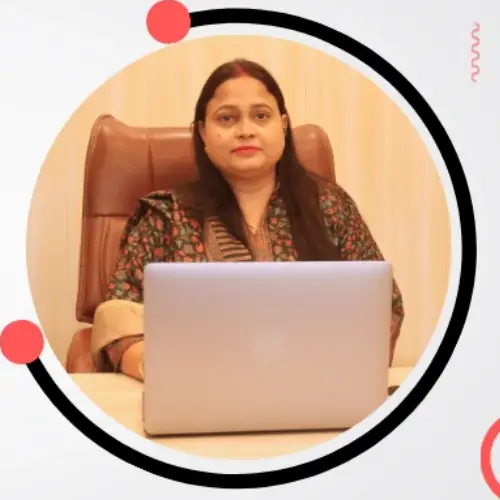
Sapna Kumari is the founder of Sanskriti Fancy Dresses (Since 2018) and a dance teacher who has been closely associated with school cultural programs and stage performances.
Through her work with schools, teachers and parents, she has gained practical experience in planning costumes for annual functions, folk dance performances and fancy dress competitions.
She writes about school costume planning, folk dance dresses and cultural event preparation to help teachers and parents organize stage performances smoothly.
Sapna Kumari has been actively working in the field of school event costumes and cultural performances.
Her experience includes:
costume planning for school annual functions
folk dance costumes for stage performances
fancy dress competition preparation
bulk costume coordination for school events
Through Sanskriti Fancy Dresses, she works closely with teachers, dance instructors and event coordinators to help them arrange costumes efficiently for school programs.