Odisha Folk Dance Dress looks simple and grounded. When you watch dances like Sambalpuri, Dalkhai, Ghumura, Chhau, or Ranapa, the costume never feels loud or artificial. It looks like something people actually wear in daily life, just made a little brighter for dance.
These dances started in villages, temple areas, and tribal regions. People danced during festivals, harvest time, and community gatherings. There was no stage earlier, so the clothes had to be comfortable and easy to move in. That is why the dress looks practical and natural.
Today, whether it is a school program, a cultural event, or a folk dance performance, Odisha folk dance dress still feels honest. It supports movement and clearly shows the culture without trying to look fancy.
About Odisha Folk Dance Dress – Culture, Background and Meaning
Odisha has a mix of temple traditions, tribal life, and village culture. Folk dances come from all these spaces, and the dress reflects that mix.
Earlier, people danced in their regular clothes. Women wore sarees. Men wore dhoti and simple upper cloth. For dancing, these clothes were worn a bit tighter and colours were chosen carefully so the movements could be seen clearly.
Some simple ideas explain Odisha folk dance dress:
- Clothes are comfortable and breathable
- Fabric suits warm weather
- Colours come from festivals and nature
- Jewellery and accessories are simple
Even now, when these dances are performed on stage, the costume stays close to daily traditional wear. That is why Odisha folk dance dress always looks natural and real.
Cultural Roots of Odisha Folk Dance Dress – Temple, Tribal, and Rural Influence
Odisha folk dance dress comes from everyday life. Temple dances use neat sarees and simple jewellery. Tribal dances use brighter colours and bold borders. Rural dances stay close to daily village clothing. Each style reflects where the dance comes from, so the costume should match the background of the dance.
Fabrics Used in Odisha Folk Dance Costumes and Why They Are Preferred
Fabric choice in Odisha folk dance dress is mostly about comfort. Dancers perform for long time, often in warm weather.
Commonly used fabrics are:
- Cotton for daily comfort
- Sambalpuri handloom for traditional look
- Light cotton blends for stage use
Heavy or shiny fabric is avoided. It does not suit the folk style and becomes uncomfortable. For modern performances, cotton blends work well because they keep the look traditional and are easy to manage.
Types of Folk Dances in Odisha and Their Costumes
In Odisha, the dance decides the dress. Each folk dance comes from a different background, so the costume changes with the mood and movement. Some dances are soft and rhythmic. Some are energetic. Some are ritual-based. Because of this, the clothing is adjusted, but it always stays traditional.
Below are the main folk dances of Odisha and how the dress looks for each one:
- Sambalpuri Folk Dance Dress
- Dalkhai Folk Dance Dress
- Ghumura Folk Dance Dress
- Chhau Folk Dance Costume (Odisha Style)
- Ranapa Folk Dance Dress
Sambalpuri Folk Dance Dress – Saree, Patterns, and Traditional Look
Sambalpuri dance is closely linked with Sambalpur handloom. The dress is simple but very recognisable.
Women wear Sambalpuri sarees with traditional borders and patterns. The saree is worn neatly so foot movement is clear. Men wear dhoti with kurta or simple upper cloth.
Some clear points about Sambalpuri dress:
- Handloom cotton fabric
- Traditional patterns like ikat designs
- Colours like red, black, white, and earthy shades
- Minimal jewellery
This dress works very well for cultural programs and group performances because it looks clean and authentic.
Dalkhai Folk Dance Dress – Tribal Women’s Festive Style
Dalkhai is a tribal dance, and the dress looks lively and festive. Women wear bright sarees with strong borders. The saree is worn simply so movement stays easy. Jewellery is light, usually bangles and a necklace. Flowers are often added to the hair. The overall look is colourful but comfortable.
Ghumura Folk Dance Dress – Drum Dance and Warrior Feel
Ghumura is a powerful drum-based dance. The steps are strong, and the dress matches that energy.
Men usually wear dhoti tied firmly at the waist. A cloth is tied around the head, and sometimes the upper body is left bare or lightly covered.
Key features of Ghumura dress:
- Strong and practical clothing
- Dark or earthy colours
- Headgear or cloth for grip
- No loose fabric
For performances, the costume is kept tight so the drum movement is easy.
Chhau Folk Dance Costume (Odisha Style) – Masked Dance Look
Chhau dance from Odisha is very dramatic. The costume is heavier because it includes masks and strong body movements.
Men wear fitted lower garments, decorative upper wear, and large masks. The costume supports jumps and spins.
Important points about Chhau costume:
- Heavy masks made from traditional material
- Strong colours and bold design
- Tight fitting clothes for movement
- Accessories linked to character roles
For school programs, Chhau costume is usually simplified, especially the mask.
Ranapa Folk Dance Dress – Stilt Dance and Balance Support
Ranapa is a stilt dance, so safety and balance are the most important things.
Dancers wear dhoti or short lower garments tied firmly. Upper clothing is light and does not restrict movement.
Some key things about Ranapa dress:
- Clothes tied very securely
- Light fabric
- No long drapes
- Focus on balance and safety
This dress is usually used in cultural shows and folk festivals, and simplified versions are used for demonstrations.
Odisha Folk Dance Dress for Women
Women’s folk dance dress in Odisha is mostly based on the saree. It is worn in a simple way so movement stays easy. The focus is on comfort and tradition, not on heavy styling.
How the dress looks in different dances:
- Sambalpuri dance: Women wear Sambalpuri sarees made from cotton handloom. The saree is worn neatly, with borders clearly visible. Blouse is simple and fitted.
- Dalkhai dance: Women wear bright-coloured sarees with bold borders. The look is festive but still practical.
Some common points across women’s folk dress:
- Cotton or handloom fabric
- Saree worn tightly for easy movement
- Light jewellery like bangles or necklace
- Hair tied neatly, sometimes with flowers
The dress should stay in place from start to end. If the saree keeps slipping, the dance loses its flow.
Odisha Folk Dance Dress for Men
Men’s folk dance dress in Odisha is simple and practical. It supports strong steps, drum playing, and balance.
How men’s dress changes with dance:
- Ghumura dance: Men wear dhoti tied tightly. Head cloth is common. Upper body may be bare or lightly covered.
- Sambalpuri dance: Dhoti with kurta or simple upper cloth. Neat and traditional look.
- Ranapa dance: Dhoti or short lower garment tied firmly for balance.
Common features in men’s dress:
- Cotton fabric
- Firm tying at waist
- Minimal accessories
- Comfortable fit
This kind of dressing helps dancers move freely without worrying about clothes.
Colours, Patterns, and Overall Look of Odisha Folk Dance Dress
Odisha folk dance dress uses bright but natural colours. Red, white, black, yellow, and earthy shades are common. Patterns come from handloom work, especially ikat designs. The overall look is simple and grounded. The costume should clearly show Odisha culture without looking heavy or fancy.
Jewellery, Headgear, and Accessories Used in Odisha Folk Dances
Odisha folk dances do not use heavy jewellery. Accessories are chosen to match the dance and local tradition, not to decorate too much.
What is commonly used:
- Bangles, small necklaces, and earrings for women
- Flowers in hair, especially for Sambalpuri and Dalkhai
- Simple head cloth or turban for men in Ghumura
- Waist belts or cloth where needed
Dance-wise use in short:
- Sambalpuri / Dalkhai: Light jewellery, flowers in hair. Nothing heavy.
- Ghumura: Head cloth and drum-related accessories. No jewellery.
- Chhau: Accessories are part of the costume and character, not optional.
For stage and school performances, accessories should be light and fixed so they don’t move during dance.
When and Where Odisha Folk Dance Dress Is Commonly Used
Odisha folk dance dress is used in many places, not just on one kind of stage.
You will see these costumes in:
- State and local festivals
- Cultural programs and folk shows
- Temple and village celebrations
- Dance academy performances
- School and college events
For big stages, colours may look slightly brighter so they are visible from far. For village events, the dress stays closer to daily traditional wear.
Odisha Folk Dance Dress for Kids and School Programs
For children, the costume should be easy to wear and easy to manage. If the dress is heavy, children lose focus.
How costumes are adjusted for kids:
- Sarees are pre-stitched or replaced with lehenga-style outfits
- Cotton fabric is preferred
- Jewellery is kept very minimal
- No long drapes or loose cloth
Teachers often choose Sambalpuri or Dalkhai-style group costumes because they are colourful and comfortable.
Common Mistakes to Avoid While Choosing Odisha Folk Dance Costumes
These are mistakes that are seen very often:
- Using shiny or synthetic fabric
- Mixing costumes from different dance forms
- Adding too much jewellery
- Choosing heavy sarees for children
- Ignoring proper fitting
A simple, well-fitted costume always looks better than something overdone.
Frequently Asked Questions
Q. Which Odisha folk dance costume is easiest for group performances?
A. Sambalpuri and Dalkhai style costumes are easiest and look good in groups.
Q. Are Odisha folk dance costumes heavy?
A. No. Most are light and made for long performances.
Q. Is jewellery compulsory for folk dances?
A. No. Light jewellery is enough, and some dances don’t need it at all.
Q. Can these costumes be used for stage shows?
A. Yes. They are commonly used in cultural festivals and folk performances.
Q. Are shoes worn in Odisha folk dances?
A. Most dances are performed barefoot.
Q. Can stitched costumes be used for kids?
A. Yes. Stitched versions are safer and easier for children.
Q. How early should costumes be arranged?
A. One to two weeks before the event is ideal.
Q. Can one costume be reused?
A. Yes. With proper washing and storage, they can be reused many times.
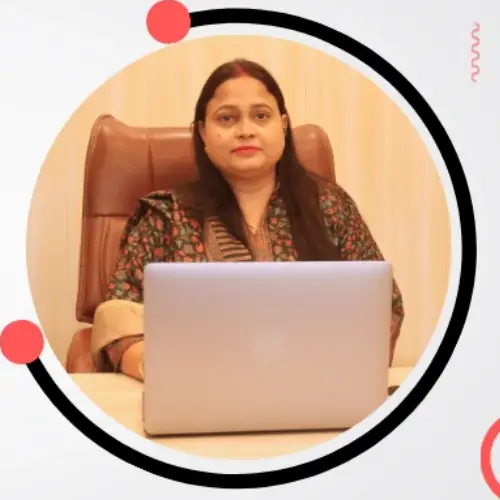
Sapna Kumari is the founder of Sanskriti Fancy Dresses (Since 2018) and a dance teacher who has been closely associated with school cultural programs and stage performances.
Through her work with schools, teachers and parents, she has gained practical experience in planning costumes for annual functions, folk dance performances and fancy dress competitions.
She writes about school costume planning, folk dance dresses and cultural event preparation to help teachers and parents organize stage performances smoothly.
Sapna Kumari has been actively working in the field of school event costumes and cultural performances.
Her experience includes:
costume planning for school annual functions
folk dance costumes for stage performances
fancy dress competition preparation
bulk costume coordination for school events
Through Sanskriti Fancy Dresses, she works closely with teachers, dance instructors and event coordinators to help them arrange costumes efficiently for school programs.