Raslila folk dance dress is bright, rich, and divine in look. It is not a simple costume. It is designed to show devotion and beauty. Raslila comes from the Braj region of Uttar Pradesh. It tells the story of Lord Krishna and Radha.
Because of this, the costume is very special. It should look royal and spiritual at the same time. The dress includes silk dress, heavy jewellery, crowns, accessories and bright colors, Every character has a different costume. Krishna, Radha, and Gopis all look unique.
In performances, the costume shines under lights. The colors and embroidery make the dance more attractive. In school programs and stage shows, Raslila is very popular. The costume plays a big role in making it look beautiful. Understanding the dress is important. Each part has meaning and purpose.
What Is Raslila Folk Dance and Where Is It Performed
Raslila is a traditional dance drama. It is based on the life of Lord Krishna. It is mainly performed in Mathura, Vrindavan and other parts of Uttar Pradesh. The dance shows stories like:
- Krishna with Radha
- Krishna with Gopis
- divine love and devotion
Raslila is performed during festivals, temple events, cultural programs or school performances. The performance includes acting, dancing and music. The costume helps bring these characters to life.
Why Costume Is Important in Raslila Folk Dance
In Raslila, the costume is very important. It shows the identity of each character. Without the costume, the story is not clear. The costume helps in:
- showing divine characters
- creating royal look
- making performance attractive
- highlighting movements
Bright colors and shining fabric are used. Jewellery and crowns add beauty. Accessories like flute also help identify Krishna. Because of this, choosing the right Raslila folk dance dress for performance is very important.
Types of Raslila Folk Dance Costumes (Krishna, Radha, and Gopis)
Raslila has different characters. Each one has a different costume.
Krishna Costume
Krishna’s costume looks royal and divine. It includes:
- yellow dhoti (pitambar)
- crown with peacock feather
- flute
- jewellery
Radha Costume
Radha’s costume is elegant and rich. It includes:
- lehenga-choli
- dupatta
- heavy jewellery
The colors are bright and attractive.
Gopi Costume
Gopis wear similar dress to Radha. It includes:
- lehenga-choli
- dupatta
- jewellery
The style is simple but colorful.
What Is Included in a Complete Raslila Folk Dance Dress
A Raslila costume is not just one outfit. It is a full set of clothing and accessories. Every item helps show the character clearly. A complete Raslila folk dance dress usually includes:
- main garment (dhoti or lehenga-choli)
- dupatta or drape
- jewellery
- headgear (crown or hair accessories)
- ghungroo (ankle bells)
- props like flute (for Krishna)
Each character has a slightly different set. But all costumes follow a rich and decorative style. The goal is to make the dancer look divine and noticeable on stage.
Raslila Costume for Lord Krishna (Pitambar, Mukut, Flute)
Krishna’s costume is the most unique and easy to recognize:
Pitambar (Dhoti)
Krishna wears a bright yellow dhoti. It is:
- made of silk or satin
- tied properly for movement
- bright and eye-catching
Yellow color represents purity and divinity.
Mor-Mukut (Crown)
The crown is the most important part. It includes:
- peacock feathers
- decorative stones
- golden design
This makes Krishna’s look complete.
Flute (Bansuri)
Krishna always carries a flute. It is held in hand or placed at the waist. It helps identify the character instantly.
Jewellery
Krishna also wears necklaces (mala), armlets and bracelets. These add to the royal look.
Raslila Costume for Radha
Radha’s costume is elegant and graceful. It is rich in color and design.
Lehenga-Choli
Radha wears flared lehenga and fitted choli. The fabric is usually silk satin or velvet. The lehenga has embroidery, zari work and mirror work.
Dupatta (Odhni)
The dupatta is worn over the head. It is light and flowing and decorated with borders. It adds grace to the costume.
Jewellery
Radha wears traditional jewellery like:
- maang tikka
- nath (nose ring)
- jhumkas
- necklaces
- kamarband
This gives a complete traditional look.
Raslila Costume for Gopis
Gopis wear costumes similar to Radha but slightly simpler. They also wear lehenga-choli, dupatta and jewellery.
The difference is in design. Gopi costumes are less heavy and more uniform in group performances. Bright colors are used to make the group look lively.
Raslila Folk Dance Dress for Kids and School Performances
In schools, costumes are simplified. A typical Raslila folk dance dress for kids for school performance includes:
- lightweight fabric
- easy-to-wear design
- simple jewellery
- safe accessories
Teachers focus on comfort, proper fitting and safety. The costume should stay secure during the performance.
Fabric Used in Raslila Costume and Stage Comfort
Raslila costumes look rich and shiny. So the fabric plays a big role. Traditional costumes use silk, velvet and brocade. These fabrics give a royal look. They reflect light well. This helps on stage. But these fabrics can be heavy. So for school and stage performances, lighter options are used.
Common modern fabrics include satin, silk blends and lightweight synthetic fabric. These are easier to wear. The fabric should allow free movement, not feel too heavy and stay comfortable during performance.
Lehenga-Choli Design, Flare, and Embroidery
The lehenga is a very important part of Radha and Gopi costume. It is long and flared. The flare helps in:
- smooth spinning
- graceful movement
- better stage effect
The design usually includes zari work, mirror work, sequins and embroidery. The blouse (choli) is fitted. It should match the lehenga, allow free arm movement and stay secure. The combination creates a rich and festive look.
Odhni (Dupatta) Draping Style and Decoration
The dupatta is an important part of the costume. It is worn over the head and shoulders. It is usually:
- light and flowy
- made of chiffon or net
- decorated with borders
The dupatta is pinned properly and placed neatly. This helps in maintaining the look and avoiding slipping during dance. The dupatta adds grace to the costume.
Crown (Mor-Mukut) and Krishna Accessories
Krishna’s crown is the most eye-catching part. It is called Mor-Mukut. It includes:
- peacock feathers
- decorative stones
- golden design
It must be lightweight and properly fixed. So it does not fall during dance. Other Krishna accessories includes flute (bansuri), necklaces and armlets. These make the character look complete.
Jewellery Used in Raslila Costume (Maang Tikka, Nath, Jhumkas, Kamarband)
Jewellery is an important part of Raslila costume. It gives a royal and divine look. Common jewellery includes:
- maang tikka
- nath (nose ring)
- jhumkas
- necklaces
- kamarband
These are usually gold-toned. They should not be too heavy. They should allow easy movement. Jewellery adds beauty and completes the costume.
Ghungroo (Ankle Bells) and Their Role in Dance
Ghungroo are worn on the ankles. They are small bells tied in a string. They create sound with each step. They help in:
- maintaining rhythm
- matching music
- improving coordination
The sound adds life to the dance. They should be tied properly. They should not feel too loose or too tight.
Makeup and Tilak in Raslila Performance
Makeup is important in Raslila. It helps show expressions clearly. Common makeup includes:
- bold eyeliner
- bright lipstick
- highlighted eyes
Krishna and Radha also have tilak on the forehead. Sometimes, small designs are made around the eyes.
Makeup helps in enhancing expressions and making characters visible from distance. The style is traditional and slightly bold.
Color Selection and Symbolism in Raslila Costume
Colors in Raslila have meaning. They are bright and attractive. Common colors include:
- yellow (Krishna)
- red (Radha)
- blue and pink (Gopis)
These colors represent purity, love and devotion. Bright colors also help the costume stand out on stage.
How Schools and Dance Groups Choose the Right Raslila Folk Dance Dress
Schools focus on comfort and easy handling. Important points include:
- lightweight fabric
- easy-to-wear costume
- proper fitting
- simple jewellery
- safe accessories
Teachers also ensure crowns are properly fixed, jewellery is not too heavy and costume does not loosen. Most schools use stitched costumes. These are easy for children. The goal is to keep the traditional look while making it practical.
Common Mistakes While Choosing Raslila Folk Dance Dress
Some mistakes can affect the performance. One common mistake is heavy costume. It makes movement difficult. Another mistake is loose fitting. It can disturb the dance. Other common mistakes include:
- poorly fixed crown
- dull colors
- too much jewellery
- uncomfortable fabric
Avoiding these mistakes helps improve performance.
Frequently Asked Questions
Q. What is the main dress in Raslila?
A. The primary costume for Krishna in Raslila consists of a dhoti & crown, while Radha & Gopis wear lehenga-choli.
Q. What is Mor-Mukut?
A. Mor-Mukut is Krishna’s crown with peacock feathers.
Q. What fabric is used in Raslila costume?
A. Raslila costumes are made out of silk, satin & lightweight fabrics.
Q. Do dancers wear jewellery in Raslila?
A. Yes. Traditional jewellery is an important part of the costume.
Q. What is the role of ghungroo?
A. Ghungroos create rhythm and assist in dance step patterns.
Q. Can Raslila be performed in schools?
A. Yes. Many schools perform Raslila using simplified versions and lighter weight costumes.
Q. Why are bright colors used in Raslila?
A. Bright colours in Raslila use are indicative of devotion, they are also visually appealing on stage.
Q. What makes Raslila costume unique?
A. The divine look, crown, and rich fabrics make it unique.
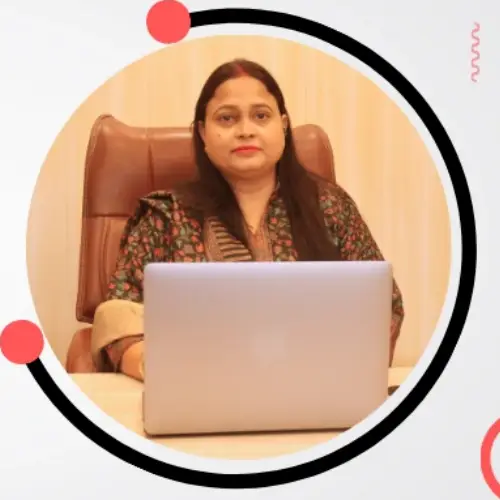
Sapna Kumari is the founder of Sanskriti Fancy Dresses (Since 2018) and a dance teacher who has been closely associated with school cultural programs and stage performances.
Through her work with schools, teachers and parents, she has gained practical experience in planning costumes for annual functions, folk dance performances and fancy dress competitions.
She writes about school costume planning, folk dance dresses and cultural event preparation to help teachers and parents organize stage performances smoothly.
Sapna Kumari has been actively working in the field of school event costumes and cultural performances.
Her experience includes:
costume planning for school annual functions
folk dance costumes for stage performances
fancy dress competition preparation
bulk costume coordination for school events
Through Sanskriti Fancy Dresses, she works closely with teachers, dance instructors and event coordinators to help them arrange costumes efficiently for school programs.