West Bengal Folk Dance Dress feels artistic, expressive, and deeply rooted in people’s lives. When you see dances like Chhau, Santhali, Jhumur, Baul, Kirtan, or Gambhira, the costume immediately tells you something about the dance. Sometimes it looks powerful and dramatic. Sometimes it looks simple and spiritual. That difference is natural in Bengal.
Folk dances in West Bengal come from many directions. Some come from villages and farms. Some come from tribal communities. Some come from devotion and prayer. And some come from social storytelling. So the dress changes with the dance, but it always stays meaningful.
Earlier, people danced in what they already wore. Warriors dressed like warriors. Farmers dressed like farmers. Devotees dressed simply. Over time, these clothes became recognised as Indian folk dance costumes. Even today, in school programs, cultural events, or folk dance stages, West Bengal folk dress keeps that real and expressive feel.
About West Bengal Folk Dance Dress – Culture, Background, and Meaning
West Bengal has a strong mix of art, devotion, protest, and community life. Folk dances here are not just entertainment. Many of them carry messages, stories, or prayers. The costume helps deliver that message.
In Purulia, dances like Chhau use strong warrior-style costumes and masks.
In tribal areas, dances like Santhali and Jhumur use simple group clothing.
In spiritual traditions, Baul and Kirtan use very minimal dress.
In folk theatre, Gambhira and Alkap use character-based costumes.
Some basic ideas behind West Bengal folk dance dress:
- Costume matches the story or purpose of the dance
- Fabric suits heat and long performances
- Dress supports strong expressions and movement
- Simplicity or drama depends on the dance form
That is why Bengal folk costumes can look very different from each other, yet all feel correct.
Cultural Roots of West Bengal Folk Dance Dress – Mythology, Society, and Devotion
West Bengal folk dance dress grows from three main roots.
- Mythology and history: Chhau and Dhali dances show battles and epics. Costumes look strong and bold.
- Social life and community: Santhali, Jhumur, and Tusu dances reflect farming and tribal life. Dress stays simple and uniform.
- Devotion and spirituality: Baul, Brita, and Kirtan focus on inner feeling. Dress is plain and practical.
Because of this mix, West Bengal folk dance dress is never one-style-fits-all. Each costume belongs to its dance.
Fabrics Used in West Bengal Folk Dance Costumes
In West Bengal folk dances, fabric is chosen for comfort first. Many dances are done in warm weather and go on for a long time. If the cloth is heavy or sticky, the dancer gets tired quickly.
That’s why cotton is used the most. It feels light on the body and lets the dancer move freely. For dances like Santhali, Jhumur, Tusu, Baul, or Kirtan, simple cotton cloth looks correct and feels comfortable.
In dances like Chhau, the main dress is still cotton, but the mask and upper parts are made stronger so they keep their shape during jumps and fast movement.
Things to keep in mind while choosing fabric:
- Cotton is always the safest choice
- Light fabric works better for long programs
- Strong material is used only where needed
- Shiny or synthetic cloth usually spoils the folk look
Types of Folk Dances in West Bengal
In West Bengal, folk dances are not of one type. Some are martial, some are tribal, some are devotional, and some are theatre-based. Because of this, the costume also changes a lot from dance to dance.
There is no single “Bengal folk dress”. The dress always depends on what the dance is about.
Here is how it works in simple terms:
- If the dance shows war or mythology, the costume looks bold and dramatic
- If the dance comes from tribal or farming life, the costume stays simple and uniform
- If the dance is devotional, the costume is plain and calm
- If the dance is folk theatre, the costume is character-based
Masked & Martial Folk Dances and Their Costumes
These dances are physical and expressive. Costumes are designed to show power, characters, and movement.
Chhau Dance (Purulia) – Masked Warrior Costume
Chhau is a strong martial dance that tells stories from epics.
- Large painted masks showing gods, demons, or warriors
- Heavy-looking upper body costume
- Flowing lower garment for jumps and spins
- Bright colours like red, yellow, and green
For school programs, masks and costumes are made lighter so dancers can move safely.
Gambhira Folk Dance – Mask-Based Social Drama
Gambhira is a dance-drama that talks about social issues.
- Simple traditional clothing
- Masks used for specific characters
- Very little jewellery
- Focus on face and dialogue
The costume stays simple so the message is clear.
Dhali Folk Dance – Shield and Sword Warrior Look
Dhali is an old warrior dance.
- Dhoti or fitted trousers
- Bare upper body or light vest
- Cane sword and shield
- Head cloth tied firmly
The dress must be secure because movements are fast.
Lathi Dance – Martial Skill Costume
Lathi dance shows control and strength.
- Plain kurta and trousers
- Strong, comfortable fabric
- Lathi stick as main prop
- No jewellery
Here, skill matters more than dressing.
Tribal & Community Folk Dances and Their Costumes
These dances come from daily life and farming communities. The dress looks natural and uniform.
Santhali Folk Dance Dress – Group Tribal Style
- Simple traditional clothing
- Matching dress for the group
- Light cotton fabric
- No heavy accessories
Jhumur Folk Dance Dress – Tea Garden and Harvest Look
- Bright but simple clothing
- Comfortable fit
- Easy movement for group dance
Tusu Folk Dance Dress – Young Girls Harvest Dance
- Simple festive dress
- Neat draping
- Very light jewellery
Devotional & Spiritual Folk Dances and Their Costumes
In devotional dances, dressing is very plain.
Baul Folk Dance Dress – Wandering Saint Look
- Simple white or saffron clothing
- Minimal accessories
- Ektara or duggi carried
Brita Folk Dance Dress – Women’s Prayer Dance
- Plain saree
- No jewellery
- Calm and respectful look
Kirtan Dance Dress – Devotional Group Dress
- Dhoti-kurta or simple saree
- No decoration
- Focus on devotion
Folk Theatre & Regional Dances and Their Costumes
These dances mix drama, music, and humour.
Alkap: Character-based costumes. The leader (Chhoridar) and performers (Gals) dress differently so roles are clear. Colours are brighter, but fabric stays light.
West Bengal Folk Dance Dress for Women
Women’s folk dance dress in West Bengal changes a lot depending on the dance. There is no single fixed style. Some dances need strong movement. Some need grace. Some are devotional. So the dress follows that.
In most folk dances, women wear saree or skirt–blouse style dress. The fabric is usually cotton so it stays comfortable during long performances.
How women’s dress looks in different dances:
Santhali, Jhumur, Tusu: Women wear simple sarees or tribal-style skirts and blouses. Colours are bright but not shiny. Jewellery is minimal so group movement stays smooth.
Chhau (when female roles are shown): Women’s characters wear bright costumes with strong borders. Jewellery and headpieces are used only to show the role clearly.
Brita Dance: Very simple saree. No jewellery. The dress looks calm and prayer-like.
Kirtan Dance: Plain saree, neatly draped. Focus stays on devotion, not on costume.
West Bengal Folk Dance Dress for Men
Men’s folk dance dress in West Bengal is mostly about the role they are playing. Some dances need power. Some need simplicity. Some need a spiritual look.
How men usually dress:
- Chhau, Dhali, Lathi: Dhoti or fitted trousers. Upper body either bare or lightly covered. Masks, shields, swords, or sticks are part of the costume.
- Santhali and Jhumur: Simple traditional clothing. Shirt or kurta with dhoti or trousers. Matching dress for group unity.
- Baul Dance: Very simple white or saffron clothing. No decoration. Ektara or duggi becomes part of the look.
- Kirtan and Gambhira: Dhoti-kurta style dress. Sometimes scarves or head cloth. Nothing flashy.
Colours, Patterns, and Overall Look of West Bengal Folk Dance Dress
West Bengal folk dance dress uses colours based on the mood of the dance.
You will usually see:
- Bright colours in Chhau and Jhumur
- Earthy and natural shades in Santhali and tribal dances
- White, saffron, or simple colours in Baul and Kirtan
- Strong contrasts in folk theatre and masked dances
Patterns are simple. Borders, hand-painted designs, or woven textures are more common than embroidery.
Jewellery, Masks, and Accessories Used in West Bengal Folk Dances
In West Bengal folk dances, jewellery and accessories are not added for beauty. They are used only when the dance needs them. Some dances need heavy masks. Some need nothing at all.
How accessories are used in different dances:
- Chhau (Purulia): Large hand-painted masks are the most important part. Headgear, chest pieces, and arm bands are used. Jewellery is part of the costume design.
- Gambhira: Masks are used for characters. Clothing stays simple so dialogue and message remain clear.
- Dhali and Lathi: Shield, sword, or stick is the main accessory. No jewellery is worn.
- Santhali, Jhumur, Tusu: Very light jewellery or none. Sometimes flowers are used.
- Baul and Kirtan: No jewellery. Musical instruments like ektara or kartal become part of the look.
When and Where West Bengal Folk Dance Dress Is Commonly Used
West Bengal folk dance dress is used in many traditional and modern settings.
You will see these costumes during:
- Village festivals and fairs
- Harvest celebrations
- Religious and devotional gatherings
- Cultural programs and folk festivals
- School and college stage performances
West Bengal Folk Dance Dress for Kids and School Programs
For children, folk dance costumes must be safe and easy to wear. Heavy masks, long sarees, or hard props can create problems on stage.
That is why school versions of folk dance costumes are always simplified.
How costumes are adjusted for kids:
- Sarees are replaced with skirt–blouse sets
- Chhau masks are made very light or replaced with face paint
- Jewellery is reduced or skipped
- Props like sticks or swords are made from soft material
Schools usually choose dances like Santhali, Jhumur, Tusu, or Kirtan because these costumes are light and comfortable for children.
Common Mistakes to Avoid While Choosing West Bengal Folk Dance Costumes
Some mistakes are very common and spoil the performance.
Avoid these:
- Using shiny or synthetic fabric
- Mixing costumes from different dance forms
- Giving heavy masks to children
- Overdoing jewellery in simple dances
- Ignoring comfort and safety
Correct and simple dressing always looks better on stage.
Frequently Asked Questions
Q. Which West Bengal folk dance costume is easiest for school programs?
A. Santhali and Jhumur dance costumes are the easiest because they are light and group-friendly.
Q. Are Chhau dance masks heavy?
A. Traditional Chhau masks are heavy, but stage and school versions are made lighter.
Q. Is jewellery compulsory in folk dances?
A. No. Many dances like Baul and Kirtan use no jewellery at all.
Q. Can West Bengal folk dance costumes be reused?
A. Yes. With proper care, they can be reused many times.
Q. Do dancers perform barefoot?
A. Most folk dances are performed barefoot or with minimal footwear.
Q. Are these costumes suitable for stage shows?
A. Yes. They are commonly used in cultural and folk performances.
Q. Can daily traditional clothes be used for folk dance?
A. Yes, with proper fitting and matching, daily wear works well.
Q. How early should costumes be arranged for a program?
A. One to two weeks before the event is ideal.
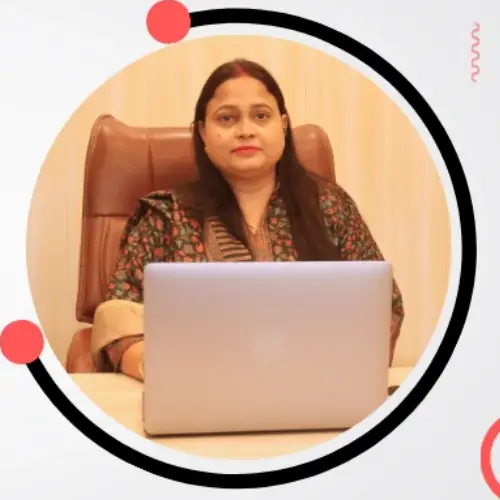
Sapna Kumari is the founder of Sanskriti Fancy Dresses (Since 2018) and a dance teacher who has been closely associated with school cultural programs and stage performances.
Through her work with schools, teachers and parents, she has gained practical experience in planning costumes for annual functions, folk dance performances and fancy dress competitions.
She writes about school costume planning, folk dance dresses and cultural event preparation to help teachers and parents organize stage performances smoothly.
Sapna Kumari has been actively working in the field of school event costumes and cultural performances.
Her experience includes:
costume planning for school annual functions
folk dance costumes for stage performances
fancy dress competition preparation
bulk costume coordination for school events
Through Sanskriti Fancy Dresses, she works closely with teachers, dance instructors and event coordinators to help them arrange costumes efficiently for school programs.