Assam Folk Dance Fancy Dress is beautiful because it is simple. It does not depend on heavy work, loud colours, or extra shine. When Assam Folk Dance Fancy Dress looks good on stage, it is because it is worn neatly and correctly, not because it is overdone. I have helped many parents and teachers with Assam costumes, and one thing I always say is this, don’t try to make it “too fancy”. Assam clothing already has its own charm.
Assam Folk Dance Fancy Dress usually represents traditional Assamese wear or folk dance costumes. You will see it often in school annual days, fancy dress competitions, cultural programs, and state-theme events. If the draping is right and the colours are correct, even a very simple costume looks graceful and complete.
Assam Folk Dance Fancy Dress – Meaning and Cultural Background
Assam Folk Dance Fancy Dress comes from the everyday traditional clothing worn by Assamese people during festivals and important occasions. It reflects calmness, discipline, and respect for culture. Assamese clothing is closely linked to nature and local weaving traditions, which is why it feels soft and balanced.
When schools choose Assam Folk Dance Fancy Dress, it usually represents:
- Assamese culture and heritage
- Folk traditions of the state
- Classical and folk dance forms
The clothing style is influenced by:
- Handloom weaving done in Assam
- Warm and humid climate
- Easy-to-wear cotton and silk fabrics
In school programs, Assam Folk Dance Fancy Dress is often selected for:
- Indian states presentations
- North-East culture themes
- Folk dance performances
The beauty of Assam Folk Dance Fancy Dress lies in clean dressing. A white costume with red borders, worn properly, looks more powerful than any heavy costume.
Popular Assam Folk Dances and Their Costumes
Many Assam Folk Dance Fancy Dresses are inspired by folk dances. When a child dresses as an Assamese dancer, the costume usually represents one of these dance forms.
Bihu Dance Dress
Bihu is the most popular folk dance of Assam. It is lively, but the costume remains simple and graceful.
Women dancers wear Mekhela Chador with a red blouse. The fabric is usually cotton or silk. Jewellery is traditional but not heavy.
Men dancers wear a white dhoti and kurta. A Gamosa is tied around the head or waist. Sometimes it is also worn around the neck.
The main colours used in Bihu costumes are:
- White
- Red
- A small touch of gold
Sattriya Dance Dress
Sattriya is a classical dance form from Assam. Its costume looks calm and disciplined.
Women wear light-coloured Mekhela Chador, usually in cream or off-white shades. Jewellery is simple and well-balanced.
Men wear dhoti and chadar with a neat head covering. The overall look is clean and traditional.
These costumes are used in:
- Classical dance programs
- Cultural festivals
- School stage performances
Assam Folk Dance Fancy Dress for Boys
Assam Folk Dance Fancy Dress for boys is very easy to manage. It is comfortable and allows free movement on stage.
Boys usually wear:
- White dhoti or pajama
- Plain kurta
- Gamosa worn neatly
The kurta is mostly white or cream. The dhoti should be tied securely so the child can walk and perform without fear.
This outfit is commonly used for:
- Fancy dress competitions
- State culture days
- Folk dance programs
Footwear is usually not required. Many performances are done barefoot, especially for dance items.
Assam Folk Dance Fancy Dress for Girls
Assam Folk Dance Fancy Dress for girls is based on the Mekhela Chador. Even when made from simple material, it looks very graceful on stage.
Girls usually wear:
- Mekhela wrapped around the waist
- Chador draped neatly on the upper body
- Blouse inside
For school children, the Mekhela Chador is often stitched lightly from inside. This helps avoid slipping and makes it easy to wear.
Common colour combination:
- White or cream base
- Red borders or designs
Girls may also wear:
- Simple traditional jewellery
- Flowers in the hair
This costume is widely used in school functions, Assamese cultural dances, and fancy dress competitions.
Assam Folk Dance Fancy Dress for Kids and School Programs
When Assam Folk Dance Fancy Dress is worn by children, comfort and safety matter more than anything else. Traditional Assamese clothes are usually loose and comfortable, but for kids, they need a little adjustment so they stay in place during performances.
For girls, the Mekhela Chador is often stitched from the inside. From outside, it looks completely traditional, but inside it is secure. This helps children walk, sit, and dance confidently on stage without worrying about the dress slipping. Blouses are stitched properly with soft lining so they do not cause itching or discomfort.
For boys, dhoti-style outfits are usually converted into pajama-style bottoms. This keeps the look traditional while making it easy for children to move. The kurta is kept loose, and the Gamosa is pinned neatly or stitched slightly at the shoulder so it does not fall during performance.
These costumes are commonly used for:
- School annual days
- Fancy dress competitions
- State and culture-themed events
- Folk dance performances
When kids are comfortable, their confidence on stage automatically improves.
Fabrics Used in Assam Folk Dance Fancy Dress
Fabric selection makes a big difference. Assamese traditional clothing is famous for handloom fabric, which feels soft and natural on the skin.
Cotton is the best choice for school programs. It stays light under stage lights and does not cause discomfort even after long wear. Silk is also traditional, but for children, pure silk can feel heavy. That is why cotton-silk or soft silk blends are usually chosen.
Fabric should always be selected by thinking about:
- How long the child will wear it
- Whether the child will dance or just walk on stage
- Weather and stage lighting
Colours and Patterns in Assam Folk Dance Fancy Dress
Assam Folk Dance Fancy Dress is known for its clean and balanced colour combinations. Loud or dark colours are rarely used. The most common base colour is white or cream.
Red is the highlight colour. It appears in borders, motifs, and patterns. Gold thread is sometimes used, but very lightly. This gives a traditional look without making the dress heavy.
Patterns are usually:
- Inspired by traditional Assamese weaving
- Floral or geometric
- Clean and symmetrical
Adding extra colours or shiny work often ruins the authentic look. Simple patterns always work better for Assam costumes.
Traditional Jewellery Used in Assam Folk Dance Fancy Dress
Jewellery should complete the costume, not overpower it. Assamese jewellery is traditional and simple.
Girls usually wear a small necklace, simple earrings, and bangles. Hair is neatly tied, often decorated with flowers. Heavy makeup or big accessories are not needed.
For children, jewellery must be:
- Lightweight
- Smooth and safe
- Easy to remove
Headgear and Accessories in Assam Folk Dance Fancy Dress
The Gamosa is the most important accessory in Assam Folk Dance Fancy Dress. It represents Assamese culture and respect. Boys usually wear it around the neck or tied on the head. Girls may carry it as a light drape or symbolic cloth.
Footwear is mostly not used. Many Assamese performances are done barefoot. If footwear is needed, simple flat sandals are enough.
When and Where Assam Folk Dance Fancy Dress Is Commonly Used
Assam Folk Dance Fancy Dress is not limited to one type of event. It is used wherever Indian culture or state representation is required. The key is choosing the right level of detailing based on the event.
Assam Folk Dance Fancy Dress is commonly worn during:
- School annual days and cultural nights
- Fancy dress competitions with state or India themes
- Folk and classical dance performances
- National integration programs
- Cultural exhibitions and assemblies
For school events, costumes are usually simple and comfortable. For competitions or stage shows, slightly richer fabric and clearer borders are used so the costume looks good from a distance. For dance performances, freedom of movement is the main focus.
Difference Between Daily Assamese Wear and Assam Folk Dance Fancy Dress
This is a very common misunderstanding. Daily Assamese clothing and Assam Folk Dance Fancy Dress may look similar, but they are not the same.
Daily wear is made for comfort and regular use. It is usually softer, less detailed, and worn loosely. Fancy dress, on the other hand, is styled specifically for stage.
Fancy dress has:
- Neater draping
- Clear borders and patterns
- Better fitting
- Stronger colour contrast
How to Choose the Right Assam Folk Dance Fancy Dress for Stage
Choosing the right Assam Folk Dance Fancy Dress is not about picking the brightest outfit. It is about balance.
First, decide who will wear it. Kids need comfort. Older students can handle slightly heavier fabric. Then decide the purpose. Walking on stage needs less detailing. Dancing needs flexible fabric.
Key points to check before finalising:
- Correct colour combination (white and red)
- Proper fitting and secure draping
- Comfortable fabric for the performance duration
- Simple jewellery that matches the costume
Common Mistakes People Make with Assam Folk Dance Fancy Dress
One big mistake is adding too many colours. Assam costumes do not need green, blue, or bright pink. White and red are enough.
Another mistake is using shiny fabric or glitter work. This changes the entire look and makes the costume look incorrect.
People also forget the importance of the Gamosa. Either they skip it or use a printed cloth that does not look traditional.
Lastly, many people ignore comfort. Tight blouses, heavy jewellery, or loose draping can spoil the performance.
Frequently Asked Questions
Q. What colours should be used for Assam Folk Dance Fancy Dress?
A. Keep it simple. White or off-white should be the main colour, with red as the highlight. This is the most traditional and correct combination. Adding too many colours usually spoils the look.
Q. Is Mekhela Chador necessary for girls in Assam Folk Dance Fancy Dress?
A. Yes, it is the most accurate dress for representing Assam. For school children, it can be stitched or secured from inside so it stays in place, but the outer look should remain traditional.
Q. What should boys wear for Assam Folk Dance Fancy Dress?
A. Boys can wear a kurta with dhoti or pajama. For schools, pajama-style bottoms are often better because they are easier to manage while still looking traditional.
Q. Which fabric works best for school programs?
A. Cotton works best. It is light, comfortable, and easy for children to wear for long hours. Cotton-silk is also a good option if you want a slightly richer look.
Q. Is jewellery compulsory for Assam Folk Dance Fancy Dress?
A. No, it is not compulsory. Simple jewellery can be added to complete the look, but it should never be heavy or uncomfortable, especially for kids.
Q. Why is the Gamosa important in Assam Folk Dance Fancy Dress?
A. The Gamosa is a symbol of Assamese culture and respect. It completes the costume. Skipping it or replacing it with a random cloth makes the outfit look incomplete.
Q. Can Assam Folk Dance Fancy Dress be used for dance performances?
A. Yes, very easily. It is commonly used for Bihu and other folk dances. Just make sure the fabric is soft and the dress is secured properly so the child can move freely.
Q. What are the most common mistakes people make with Assam Folk Dance Fancy Dress?
A. Using shiny fabric, adding extra colours, wearing heavy jewellery, or ignoring comfort. Assam Folk Dance Fancy Dress looks best when it stays simple, neat, and traditional.
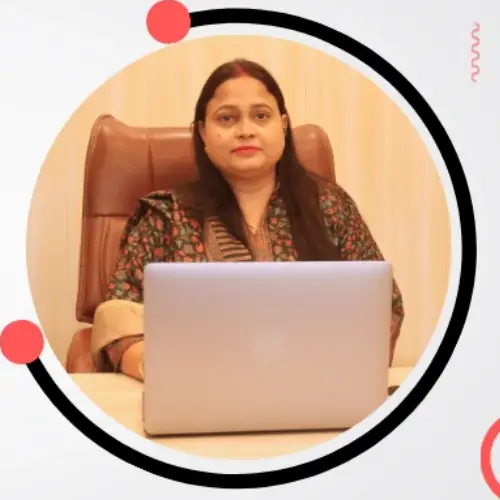
Sapna Kumari is the founder of Sanskriti Fancy Dresses (Since 2018) and a dance teacher who has been closely associated with school cultural programs and stage performances.
Through her work with schools, teachers and parents, she has gained practical experience in planning costumes for annual functions, folk dance performances and fancy dress competitions.
She writes about school costume planning, folk dance dresses and cultural event preparation to help teachers and parents organize stage performances smoothly.
Sapna Kumari has been actively working in the field of school event costumes and cultural performances.
Her experience includes:
costume planning for school annual functions
folk dance costumes for stage performances
fancy dress competition preparation
bulk costume coordination for school events
Through Sanskriti Fancy Dresses, she works closely with teachers, dance instructors and event coordinators to help them arrange costumes efficiently for school programs.