Chham folk dance dress is not made to look beautiful or entertaining. It is made to transform the dancer. When a monk wears the costume, he is no longer performing as himself. He becomes the deity or protector the costume represents.
The dress is heavy, layered, and intentionally overwhelming. Masks hide the human face. Robes cover the body completely. Every colour, shape, and weight has a purpose. Nothing here is worn for comfort or decoration.
Chham is performed inside monastery spaces, during sacred festivals. The costume is part of the ritual itself, not something added later for effect.
What Is Chham (Cham) Folk Dance and Where Is It Performed
Chham, also called Cham, is a ritual masked dance performed by Buddhist monks, known as Lamas. You will see it mainly in regions influenced by Tibetan Buddhism, such as Ladakh, Sikkim, Arunachal Pradesh, parts of Himachal Pradesh, Bhutan, and Tibet.
The dance is performed in monastery courtyards during religious festivals. It is not done on open village stages or casual cultural platforms.
Because it is performed in sacred spaces, the costume follows strict rules. Each role has a specific mask and dress, and monks are trained to wear them correctly as part of their spiritual practice.
Why Chham Is a Ritual, Not a Stage Performance
Chham is not meant to entertain an audience. It is meant to cleanse the space and the minds of those present.
The movements are slow, deliberate, and repetitive. The heavy costume forces the dancer to move with control and awareness. This is intentional.
Unlike stage folk dances, there is no improvisation in costume or movement. Everything is fixed by tradition. Changing the costume casually would break the ritual meaning.
Role of Costume in Chham as Spiritual Protection
In Chham, the costume acts like armour. The mask protects the monk’s identity. The robes create distance from the physical body. The apron and symbols act as spiritual shields.
Wrathful masks with fangs and bulging eyes are not meant to scare people. They are meant to frighten negative forces and inner weaknesses like anger and ego.
The weight of the costume keeps the dancer grounded. The sound of boots hitting stone floors marks the ritual rhythm.
Types of Chham Costumes Based on Deity and Character
Chham does not use one single costume. The dress changes depending on which deity or protector the monk is representing.
Some costumes represent peaceful deities. These masks have calm expressions, softer colours, and gentler features.
Others represent wrathful protectors. These masks are large, fierce, and exaggerated, with fangs, wide eyes, and bold colours. They look frightening on purpose.
The costume is chosen according to the ritual being performed. A monk does not pick a costume freely. It is assigned based on tradition.
What Is Included in a Complete Chham Folk Dance Costume
A full Chham costume is made of several heavy layers. Each part has a specific role.
A complete costume usually includes:
- A large mask (bak) that fully covers the head
- Long silk or brocade robes worn in layers
- A decorated apron panel worn over the robes
- A skull crown attached to the mask (for wrathful forms)
- Traditional cloth boots with thick soles
Nothing is optional. The costume only works when all parts are worn together.
How Multiple Layers Are Worn in Chham Dance
Chham costumes are worn slowly and carefully. Dressing itself is a ritual. The robes are layered to give volume and weight. This weight controls movement and keeps the dancer grounded.
The apron is tied over the robes, usually at the front. It acts like a symbolic shield.
The mask is worn last. Once the mask is on, the monk does not speak or behave casually. From that moment, he represents the deity.
Because of the layers, the dancer’s movements become slower and more deliberate. That is exactly how Chham is meant to be performed.
Chham Mask (Bak): Material, Size, and Expression
The mask, called Bak, is the most important part of the Chham costume. Once the mask is worn, the monk no longer appears as himself.
These masks are usually made from wood or papier-mache and are hand-painted. They are large and heavy, covering the entire head and face.
The size is intentional. It hides all human expression and replaces it with the face of a deity or protector. The dancer’s personal identity disappears behind the mask.
The Third Eye and Facial Features in Chham Masks
Skull Crown and Its Symbolic Meaning
Some masks are topped with a crown of five small skulls. These skulls represent the transformation of five negative emotions,anger, pride, desire, jealousy, and ignorance, into wisdom.
The skull crown is not about death. It is about overcoming inner weakness.
This crown adds height and weight to the mask, which further slows the dancer’s movement and deepens the ritual focus.
Silk and Brocade Robes Used in Chham Dance
The robes worn in Chham are long, heavy, and layered. They are usually made from silk or rich brocade, often sourced historically through trade routes connected to China and Tibet.
These robes are not light or flowing. They are meant to carry weight. When the monk turns or spins slowly, the fabric responds with resistance. That resistance controls the speed of movement.
The robes also cover the body completely. There is no exposure of arms or legs. This helps separate the dancer from his everyday identity and reinforces the ritual nature of the dance.
Colour Use in Chham Costume and What It Signals
Colours in Chham are not chosen for beauty. They signal role and energy.
You will commonly see:
- Yellow, associated with knowledge and stability
- Red, linked to power and transformation
- Blue, representing protection and the infinite
The colours help the audience and the monks themselves recognise which deity or protector is being invoked. The meaning is understood within the monastery tradition.
Weight of Costume and Its Effect on Movement
A full Chham costume is very heavy. The weight is spread across the body through layers of fabric, apron, mask, and headgear.
Because of this weight:
- Movements become slow and deliberate
- Steps are grounded and firm
- Spins are controlled, never fast
This is intentional. Chham is not about speed. It is about presence and awareness.
Traditional Footwear Used in Chham Folk Dance
Chham dancers wear traditional cloth boots with thick soles and slightly curved toes. These are not decorative shoes.
The boots protect the feet while dancing on hard monastery floors, often made of stone. They also help distribute the weight of the heavy costume.
Because the soles are thick, the dancer can stamp firmly without hurting the feet. This is important, as stamping is part of the ritual movement.
How Costume Supports Slow Spins and Rhythmic Steps
Chham movements are circular and controlled. The dancer turns, steps, and pauses in set patterns.
The heavy costume ensures that:
- Movements stay slow
- Spins never become fast or decorative
- The body remains upright and balanced
The robes resist sudden motion. The mask limits vision slightly. The boots anchor the feet.
The Role of the Monastery Courtyard in Chham Performance
Chham is usually performed in monastery courtyards, not on raised stages.
The open space allows sound to travel and gives room for group formations. The stone floor supports stamping and echoes the rhythm.
The costume is designed specifically for this environment. Performing Chham on a smooth stage or wooden floor changes how the dance feels.
Chham Dance Costume for Cultural Shows and Education
For cultural festivals or educational programs, Chham costume is sometimes recreated with care.
Usually:
- Original-style masks are used or carefully replicated
- Robes follow the same colour rules
- Aprons and headgear remain symbolic
These performances are done to teach, not to entertain. That’s why exaggeration or costume mixing is avoided.
Why Chham Costume Is Not Suitable for Kids’ Performances
Chham costume is heavy and demanding. The masks restrict vision. The boots are heavy. The movement requires discipline and strength.
Because of this, Chham is not suitable for children to perform.
In schools, Chham is better explained through:
- Visual displays
- Videos
- Static costume exhibits
- Narrated demonstrations by trained adults
Putting kids in Chham masks or robes for stage shows can be unsafe and misrepresent the dance.
Frequently Asked Questions
Q. Where is Chham dance usually performed?
A. Chham is performed in Buddhist monastery regions like Ladakh, Sikkim, Arunachal Pradesh, parts of Himachal Pradesh, Bhutan, and Tibet.
Q. Is Chham a regular folk dance?
A. No. Chham is a ritual dance. It is performed as part of religious ceremonies, not for entertainment.
Q. What are Chham masks usually made of?
A. Most masks are made from wood or papier-mache and then hand-painted. They’re built to be solid and long-lasting.
Q. Why is the Chham costume so heavy?
A. The weight slows the dancer down. That helps keep the movement controlled and focused, which is important for the ritual.
Q. What materials are used to make Chham masks?
A. Most masks are made from wood or papier-mache and then carefully hand-painted.
Q. Why are Chham costumes so heavy to wear?
A. The weight helps slow the movement. That makes the dance more controlled and meditative.
Q. What kind of clothes are worn under the Chham mask?
A. Dancers wear long silk or brocade robes with several layers and a decorated apron on top.
Q. Can children perform Chham dance in schools?
A. Chham is not suitable for children to perform. It is better explained through visuals or demonstrations by trained adults.
Q. What is the biggest mistake people make with Chham costume?
A. Treating it like a fancy dress costume. Every part of Chham dress has religious meaning.
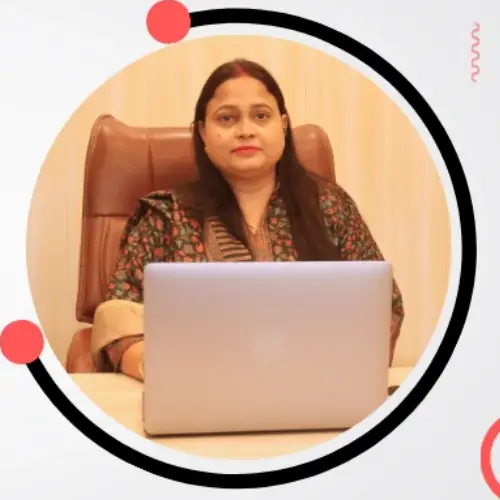
Sapna Kumari is the founder of Sanskriti Fancy Dresses (Since 2018) and a dance teacher who has been closely associated with school cultural programs and stage performances.
Through her work with schools, teachers and parents, she has gained practical experience in planning costumes for annual functions, folk dance performances and fancy dress competitions.
She writes about school costume planning, folk dance dresses and cultural event preparation to help teachers and parents organize stage performances smoothly.
Sapna Kumari has been actively working in the field of school event costumes and cultural performances.
Her experience includes:
costume planning for school annual functions
folk dance costumes for stage performances
fancy dress competition preparation
bulk costume coordination for school events
Through Sanskriti Fancy Dresses, she works closely with teachers, dance instructors and event coordinators to help them arrange costumes efficiently for school programs.