Garia folk dance dress is simple, traditional, and very unique. It comes from the Tripuri community of Tripura. This dance is performed during Garia Puja. It is a festival for good harvest and prosperity.
The costume is made from handwoven fabric. It shows the culture and identity of the community. The dress includes wrap-style garments, tribal patterns and traditional jewellery. The colors are earthy but bright. The patterns are geometric and meaningful.
In performances, the costume moves naturally with the dancer. It looks simple but very elegant. In school programs and cultural events, Garia dance is becoming popular. The costume gives a fresh and different look compared to other dances.
Understanding the dress is important. Each piece has a purpose and cultural meaning.
What Is Garia Folk Dance and Where Is It Performed
Garia dance is a traditional folk dance of Tripura. It is mainly performed by the Tripuri tribal community. The dance is part of Garia Puja. This festival is celebrated for:
- good harvest
- prosperity
- well-being
The dance is usually seen in village festivals, community celebrations, cultural programs and school events. The performance is done in groups. The movements includes rhythmic steps, hand gestures and simple formations. The dance is calm and natural. The costume supports this style.
Why Costume Is Important in Garia Folk Dance
In Garia dance, the costume shows tradition and identity. It is not heavy or flashy. It is simple but meaningful. The costume helps in:
- showing tribal culture
- allowing easy movement
- creating a natural look
- matching the theme of harvest
The fabric is handwoven. The patterns represent local designs. Jewellery adds sound and movement. It enhances the performance. Because of this, choosing the right Garia folk dance dress for performance is very important.
Types of Garia Folk Dance Costumes
Garia dance is performed by both women and men. Their costumes are different.
- Women’s Costume
Women wear traditional Tripuri dress. It usually includes Rignai (wrap skirt), Risa (upper cloth) and Rituku (shoulder cloth).The dress is colorful and patterned.
- Men’s Costume
Men wear simple traditional clothing. It usually includes dhoti or waistcloth, shawl (rikutu) and turban. The look is simple and natural.
What Is Included in a Complete Garia Folk Dance Dress
Garia costume is simple but complete. Each piece has meaning. A full Garia folk dance dress usually includes:
- Rignai (wrap skirt)
- Risa (upper cloth)
- Rituku (shoulder cloth)
- traditional jewellery
- anklets
For men, it includes dhoti or waistcloth, shawl and turban. All items are lightweight. They allow easy movement.
Garia Folk Dance Dress for Women
The women’s costume is traditional and elegant. It is based on Tripuri handloom.
- Rignai (Lower Garment)
This is a wrap-around skirt. It is handwoven, comfortable and easy to wear. The designs include stripes, geometric patterns and a traditional motifs. Each pattern may represent a community style.
- Risa (Upper Cloth)
The Risa is a short cloth worn on the upper body. It is wrapped around the chest, fitted and secure and decorated with simple patterns. It keeps the costume neat and traditional.
- Rituku (Shoulder Cloth)
This is an extra cloth. It is worn over the shoulders or sometimes on the head. It adds style and completes the look.
Garia Folk Dance Dress for Men
The men’s costume is simple and practical.
- Dhoti / Waistcloth
Men wear a basic dhoti or handwoven cloth. It is light, easy to move in and comfortable.
- Rikutu (Shawl)
A shawl is worn over the shoulder. It is simple, handwoven and sometimes colorful.
- Turban
A turban is worn on the head. It is usually white and simple. Sometimes it is decorated with leaves or flowers.
Garia Folk Dance Dress for Kids and School Performances
In schools, the costume is simplified. A typical Garia folk dance dress for kids for school performance includes:
- lightweight fabric
- easy-to-wear design
- simple jewellery
Teachers focus on comfort, safety and uniform look. The costume still looks traditional but is easier to manage.
Fabric Used in Garia Dance Costume and Climate Comfort
The fabric used in Garia costume is very important. It is chosen based on the climate and lifestyle of Tripura.
The dress is made using handwoven cotton. This fabric is strong, breathable, and suitable for humid weather.
The region has a warm and slightly humid climate. So the fabric must feel light on the body. Heavy fabric can make movement difficult during the dance.
Handloom cotton has many benefits:
- it allows air to pass through
- it absorbs sweat easily
- it feels soft on the skin
- it is durable for regular use
The weaving is done in traditional methods. Many families still follow this process. The patterns are not random. They carry cultural meaning.
In modern performances, some costumes use cotton blends or lighter fabrics. This makes them easier for students and stage performers.
Rignai (Wrap Skirt) Design, Patterns, and Weaving Style
Rignai is the most important part of the Garia costume for women. It is a wrap-around skirt that defines the entire look. It is not stitched like a regular skirt. It is wrapped around the waist and adjusted properly.
The design of the Rignai is special. It shows identity and tradition. Common features include:
- horizontal stripes
- geometric patterns
- traditional motifs (butta designs)
Each pattern can represent a specific tribe or group. This makes the costume culturally rich.
The colors are usually earthy but bright. Common shades includes red, maroon, black and white combinations. The weaving is done using traditional looms. This gives the fabric a strong and slightly textured feel.
The Rignai is not very heavy. But it is firm enough to hold its shape during movement. It allows easy walking,smooth turning and comfortable dancing. Because of this, it is both practical and beautiful.
Risa (Upper Cloth) Design and Wearing Style
Risa is a simple but important part of the costume. It is worn on the upper body. It is a short rectangular cloth. It is wrapped around the chest and tied securely.
The Risa is usually handwoven, patterned and colorful. The designs often match the Rignai. This creates a coordinated look. Common features include:
- floral motifs
- stripe patterns
- traditional symbols
Risa is not very long. It is designed for comfort and ease. It helps in keeping the costume secure, allowing free arm movement and maintaining traditional style.
Rituku (Shoulder Cloth / Head Wrap) Usage in Dance
Rituku is an additional cloth used in the costume. It adds style and flexibility. It is usually worn in two ways draped over the shoulders or used as a head wrap. During ritual performances, it may be worn on the head. This adds a traditional and ceremonial touch.
In stage performances, it is often placed over the shoulders. This makes the costume look complete. The Rituku is lightweight, easy to adjust and visually appealing. It may also have simple patterns or borders. This cloth helps in:
- enhancing the overall look
- adding movement when the dancer moves
- giving a layered appearance
It is not mandatory in all performances. But it is commonly used in traditional settings.
Tribal Jewellery Used in Garia Costume (Coin Necklace, Bangles, Earrings)
Jewellery in Garia dance is traditional and meaningful. It is not just for decoration. It represents culture and identity. The most important jewellery piece is the coin necklace (Rangbauga). This necklace is made using real or imitation coins and metal chains. It creates a soft jingling sound when the dancer moves. Other jewellery includes:
- bangles (Wakhum)
- earrings (Sangai)
- simple chains
These are usually made from silver, brass and metal. The jewellery is slightly heavy. But it is manageable. It helps in adding sound to the dance, enhancing visual appeal and completing the traditional look. The designs are simple but bold.
Anklets and Sound Elements in Garia Dance
Sound is an important part of Garia dance. The costume itself helps create this sound. Dancers wear anklets made of metal. These can be silver anklets or brass anklets. These anklets produce a strong sound when the dancer steps on the ground.
This sound helps in keeping rhythm, matching group movement and adding energy to the performance. The sound is not very sharp. It is deep and natural.
Along with anklets, jewellery like coin necklaces also adds light sound. The combination of movement and sound makes the performance more engaging.
Hairstyle and Natural Makeup in Garia Dance
Hair and makeup in Garia dance are simple and natural. The focus is not on heavy styling. It is on traditional appearance. For women and girls:
- hair is tied in a bun or braid
- sometimes decorated with flowers
The style is neat and clean. Makeup is minimal. It usually includes light base, simple eye makeup and small bindi. In some cases, traditional markings may be added on the forehead. The goal is to keep the look natural and traditional. This matches the overall theme of the dance.
How Schools and Dance Groups Choose the Right Garia Folk Dance Dress
Schools focus on comfort and simplicity. Important points include:
- lightweight fabric
- easy-to-wear costume
- proper fitting
- simple jewellery
- uniform look for group
Most schools use stitched or adjusted versions of traditional dress. Teachers also make sure that movement is not restricted, costume stays in place and students feel comfortable. The goal is to keep the traditional look while making it practical.
Common Mistakes While Choosing Garia Folk Dance Dress
Some mistakes can affect the performance. One mistake is using heavy fabric. It can make movement difficult. Another mistake is incorrect patterns. It reduces the traditional look. Other common mistakes include:
- loose wrapping of rignai or risa
- too much jewellery
- dull or mismatched colors
- uncomfortable fitting
Avoiding these mistakes helps in better performance.
Frequently Asked Questions
Q. What is the main dress in Garia dance?
A. Rignai (skirt), Risa (upper cloth), and Rituku are the main parts.
Q. What fabric is used in Garia costume?
A. Handwoven cotton is commonly used.
Q. What jewellery is used in Garia dance?
A. Coin necklaces, bangles, and earrings are used.
Q. Is Garia costume heavy?
A. It is usually light and comfortable.
Q. Can Garia dance be performed in schools?
A. Schools use simplified versions of the costume.
Q. What makes Garia costume unique?
A. Handwoven fabric and traditional patterns make it unique.
Q. Do dancers wear heavy makeup?
A. No. Makeup is simple and natural.
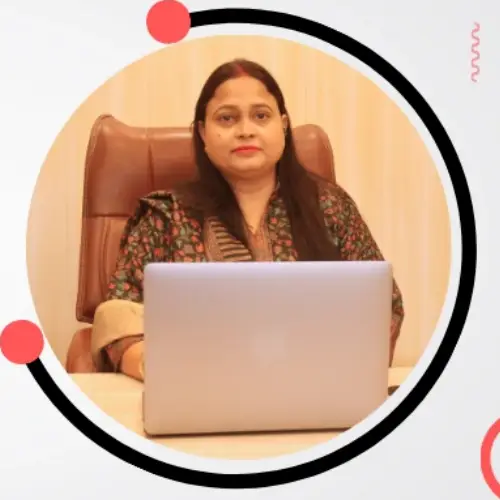
Sapna Kumari is the founder of Sanskriti Fancy Dresses (Since 2018) and a dance teacher who has been closely associated with school cultural programs and stage performances.
Through her work with schools, teachers and parents, she has gained practical experience in planning costumes for annual functions, folk dance performances and fancy dress competitions.
She writes about school costume planning, folk dance dresses and cultural event preparation to help teachers and parents organize stage performances smoothly.
Sapna Kumari has been actively working in the field of school event costumes and cultural performances.
Her experience includes:
costume planning for school annual functions
folk dance costumes for stage performances
fancy dress competition preparation
bulk costume coordination for school events
Through Sanskriti Fancy Dresses, she works closely with teachers, dance instructors and event coordinators to help them arrange costumes efficiently for school programs.