Kavadi Attam folk dance dress is not just a costume. It is part of a religious ritual. Every item has meaning. This dance is performed by devotees of Lord Murugan. It is seen mostly in Tamil Nadu. It is done during festivals and temple processions.
The dancer carries a structure called Kavadi. It is heavy and decorated. Because of this, the dress must support strength and balance.
The clothing is simple. It includes a dhoti and basic accessories. But the preparation is serious. The costume shows devotion, sacrifice and discipline. The dancer often walks barefoot and performs for long time. So the dress must be light, secure and comfortable. This is not a fashion costume. It is a ritual setup.
What Is Kavadi Attam Folk Dance and Where Is It Performed
Kavadi Attam is a devotional dance. It is performed as an offering to Lord Murugan. It is mainly seen in Tamil Nadu, temple festivals and religious processions. Devotees carry a Kavadi on their shoulders. It is a decorated arch made of wood or bamboo.
The dance includes walking long distances, rhythmic steps and body movement while balancing the Kavadi.
The performance is not just for entertainment. It is done as a prayer. Music like drums and temple sounds guide the rhythm. Because of the physical effort, the costume must support endurance and balance.
Why Costume Is Important in Kavadi Attam Folk Dance
In Kavadi Attam, costume is part of the ritual. It is not only for appearance. It prepares the body and mind. The dress helps in:
- maintaining balance
- handling the weight of Kavadi
- keeping the body cool
The vesti allows free leg movement. The bare upper body helps in carrying straps and applying turmeric or vibhuti. The headband keeps sweat away.
The costume also shows devotion. The colors and simplicity reflect purity. Every part has a purpose. Without the proper dress, the ritual feels incomplete.
Types of Kavadi Attam Costumes (Simple Devotional and Ritual Piercing Styles)
Kavadi Attam has different levels of practice.
Simple Devotional Style
This is common in most performances. It includes:
- vesti (dhoti)
- headband
- basic Kavadi
There are no piercings. This style is also used in schools and stage programs.
Ritual Piercing Style
This is more intense. It includes:
- body piercings (Vel or hooks)
- heavy garlands
- full ritual setup
This style is done by trained devotees. It requires preparation and discipline.
What Is Included in a Complete Kavadi Attam Folk Dance Dress
Kavadi Attam dress is not just clothing. It is a full setup. Each part has a role in balance, movement, and devotion. A complete Kavadi Attam folk dance dress includes vesti (dhoti), bare or simple upper body, turmeric or vibhuti on body, Kavadi structure, headband, ghungroo and garlands and malas.
Everything is kept simple but meaningful. The costume must support long walking, handle the weight of Kavadi and stay secure during movement. No part should be loose or heavy without purpose. The full look shows discipline and devotion.
Kavadi Attam Folk Dance Dress for Men
The men’s costume is the main traditional form.
Vesti (Dhoti)
The vesti is the base garment. It is usually saffron or bright yellow. These colors represent purity and devotion. The vesti is tied tightly. It should not loosen during movement. It allows free leg movement, easy walking and stability.
Upper Body
The upper body is usually bare or lightly covered. This helps in carrying Kavadi straps and applying turmeric or ash. Loose clothing is avoided.
Kavadi Attam Folk Dance Dress for Kids and School Performances
In schools, safety and simplicity are important. A typical Kavadi Attam folk dance dress for kids for school performance includes:
- lightweight vesti
- simple upper wear
- small Kavadi structure
- artificial decorations
Teachers ensure costume is easy to wear, no heavy weight and no sharp elements. The aim is to keep the devotional look but make it safe.
Fabric Used in Kavadi Attam Costume and Heat Comfort
Kavadi Attam is performed outdoors. Often in heat and sunlight. So fabric must be comfortable. The most common fabric is cotton. It is breathable, light and comfortable. It absorbs sweat and keeps the body cool. Synthetic fabrics are avoided in traditional practice. The fabric should:
- not feel heavy
- not trap heat
- allow free movement
Comfort is very important for long performances.
Vesti (Dhoti) Style, Color, and Wearing Method
The vesti is worn in a simple style. It is:
- wrapped around the waist
- tied securely
- kept above ankle level
The color is usually saffron or yellow. These colors have religious meaning. The tying should be firm. It should not loosen during walking or dancing. The length should allow easy steps. A properly worn vesti supports comfort, movement and stability.
Kavadi Structure (Arch Design, Decoration, and Balance)
Kavadi is the main element of the entire costume. It is a large structure carried on the shoulders. It is usually made of wood or bamboo. The shape is like an arch. It is decorated with cloth, flowers and tinsel.
The structure must be balanced, lightweight enough to carry and strong. The dancer controls the movement of the Kavadi while walking and dancing. Balance is very important.
Peacock Feathers (Mayil Peeli) and Their Religious Meaning
Peacock feathers are a key part of Kavadi decoration. They are used in large numbers. They represent:
- Lord Murugan’s vehicle (peacock)
- beauty and devotion
The feathers are arranged around the Kavadi. When the dancer moves, the feathers spread out. This creates a very strong visual effect. The colors of the feathers stand out against the simple dress.
Milk Pots (Pal Kavadi) and Offerings
Small pots filled with milk are often attached to the Kavadi. These are called Pal Kavadi. They are used as an offering to the deity. The pots are:
- tied securely
- balanced properly
They should not spill during movement. This adds to the devotional aspect of the performance.
Bells Attached to Kavadi and Sound Effect
Small brass bells are attached to the Kavadi. They create sound with every movement. This helps in:
- maintaining rhythm
- creating a continuous sound
- enhancing the performance
The sound of bells mixes with drum beats. It gives a strong and steady rhythm.
Headband (Thalai-Kattu) and Sweat Control
A simple headband is worn by the dancer. It is usually yellow or red It helps in absorbing sweat and keeping focus clear.
It also supports the head while balancing the Kavadi. The headband should be tight and comfortable.
Jewellery Used (Rudraksha Mala, Garlands)
Jewellery in Kavadi Attam is simple and meaningful. Common items include:
- Rudraksha malas
- flower garlands
The garlands are usually marigold or rose. They are worn around the neck. They add devotional look and traditional feel. The jewellery is not heavy. It should not disturb movement.
Ghungroo (Ankle Bells) and Their Role in Rhythm
Ghungroo are tied around the ankles. They create sound with each step. They help in:
- maintaining rhythm
- matching drum beats
- adding energy
The bells are usually heavy. They should be tied tightly. Loose ghungroo can affect balance.
Ritual Piercings (Vel / Alagu) and Safety Considerations
In some forms, body piercings are part of the ritual. These include small spears (Vel) and hooks. They may be placed on cheeks, tongue and skin. This is done as an act of devotion. For safety:
- only trained devotees perform this
- proper preparation is required
In schools and stage shows, this is not done. Safe alternatives are used.
Barefoot Walking and Endurance in Kavadi Attam
Kavadi Attam is usually performed barefoot. This helps in:
- better grip
- natural movement
- connection with ground
The dancer may walk long distances. So endurance is very important. Barefoot walking supports balance and control.
Difference Between Traditional Ritual Costume and Stage Costume
Kavadi Attam costume changes slightly for stage use. But the base idea remains the same.
Traditional costume
- simple vesti (saffron or yellow)
- bare upper body
- real Kavadi with full decoration
- turmeric or vibhuti applied
- sometimes ritual piercings
This version is used in temples and real religious events. The focus is devotion and discipline.
Stage costume
- lighter Kavadi structure
- stitched and easy-to-wear vesti
- simple upper covering if needed
- artificial decorations
- no piercings
This version is used in schools and cultural programs.
How Schools and Dance Groups Choose the Right Kavadi Attam Folk Dance Dress
Schools focus on safety first. They choose:
- lightweight fabric
- properly fitted vesti
- small and safe Kavadi
- simple accessories
Teachers ensure no sharp elements, no heavy structure and easy movement for students. Artificial feathers and plastic decorations are often used. The goal is to maintain the devotional look but make it practical.
Common Mistakes While Choosing Kavadi Attam Folk Dance Dress
Some mistakes can affect both performance and safety. One common mistake is heavy Kavadi. It becomes difficult to carry.
Another mistake is loose vesti. It can cause discomfort. Other mistakes include:
- slippery fabric
- weak headband
- too many decorations
- poor fitting
Avoiding these mistakes helps in better balance and safe performance.
Frequently Asked Questions
Q. What does the main costume consist of when performing Kavadi Attam?
A. The main costume consists of a Vesti (lungi), a head band and a Kavadi structure.
Q. Why is yellow or saffron used?
A. Yellow or saffron is an indication of purity and a form of dedication.
Q. Is the upper body usually exposed?
A. Traditionally, yes, but those performing on stage may have some sort of coverage.
Q. What is the construction of the Kavadi?
A. The Kavadi can be made of either bamboo or wood.
Q. Do participants have to pierce themselves?
A. No, they only will have to do this as part of the advanced rituals.
Q. What clothing fabric do dancers wear?
A. Most dancers wear cotton.
Q. Do dancers wear shoes while performing?
A. Most have no shoes on their feet while performing.
Q. In what way does the Kavadi Attam costume stand out?
A. The costumes are different due to their combination of a spiritual nature and physical endurance.
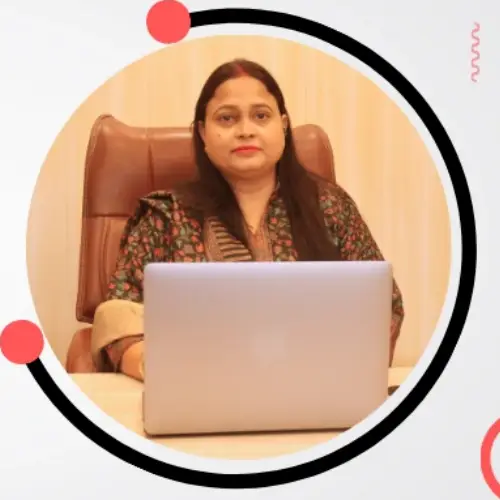
Sapna Kumari is the founder of Sanskriti Fancy Dresses (Since 2018) and a dance teacher who has been closely associated with school cultural programs and stage performances.
Through her work with schools, teachers and parents, she has gained practical experience in planning costumes for annual functions, folk dance performances and fancy dress competitions.
She writes about school costume planning, folk dance dresses and cultural event preparation to help teachers and parents organize stage performances smoothly.
Sapna Kumari has been actively working in the field of school event costumes and cultural performances.
Her experience includes:
costume planning for school annual functions
folk dance costumes for stage performances
fancy dress competition preparation
bulk costume coordination for school events
Through Sanskriti Fancy Dresses, she works closely with teachers, dance instructors and event coordinators to help them arrange costumes efficiently for school programs.