Jhumar folk dance dress cannot be explained with one look. The name “Jhumar” is used in different regions, but the costumes are completely different. If this difference is not understood, the dress is almost always done wrong on stage or in schools.
In eastern India, Jhumar is a community dance linked to harvest and forest life. The costume looks like everyday wear, adjusted for group movement. In Punjab, Jhumar is a men’s dance with flowing fabric, layered clothing, and strong upper-body rhythm. The two should never be mixed.
This blog separates both traditions clearly, starting from costume and movement, not from theory.
What Does the Jhumar Folk Dance Dress Look Like During Performance
When you watch Jhumar being performed, the costume immediately tells you which region it belongs to.
In tribal Jhumar from the Chota Nagpur belt, the dress looks grounded and familiar. Cotton sarees, simple dhotis, flowers in the hair, and bare feet moving together as a group.
In Punjabi Jhumar, the look is very different. Flowing lower wear, layered upper clothing, a tall turban, and controlled swaying of the body.
In both cases, the costume does not dominate the dance. It follows the rhythm. That is the common point.
What Is Chota Nagpur Jhumar and When It Is Performed
Chota Nagpur Jhumar is a community dance. It is performed during harvest time and festivals like Karam, when villages come together.
The dance is slow and collective. People move in lines or chains, often holding hands. Because of this, the costume has to allow long movement without tiring the body.
The dress comes directly from everyday tribal clothing. Only small adjustments are made for dance. Nothing looks staged or dramatic.
This Jhumar is divided clearly into Janani Jhumar (women) and Mardana Jhumar (men), and their costumes are different.
Janani Jhumar – Women’s Jhumar Folk Dance Dress
Women wear a lal-paar saree. It is a white cotton saree with a thick red border.
The saree is draped to mid-calf. This keeps the feet visible and allows steady stepping. The cotton fabric stays light and breathable during long performances.
The blouse is simple and fitted. No heavy embroidery is used.
This dress looks plain, but it works perfectly for slow group movement and outdoor dancing.
Jewellery Worn by Women in Chota Nagpur Jhumar
Jewellery is traditional and solid, not decorative.
Women usually wear:
- Hasli – a thick silver neck ring
- Tarpat – large earrings
- Heavy brass or silver anklets
These pieces are worn close to the body. They do not swing or shine excessively.
Mardana Jhumar – Men’s Jhumar Folk Dance Dress
Men wear a simple dhoti, usually white or off-white. The upper body may have a kurta or vest. In many rituals, men dance bare-chested.
The clothing allows free movement of the torso and arms. The focus is on rhythm, not display.
Turban (Pagri) and Feather Decoration in Men’s Jhumar
Men wear a pagri tied firmly around the head.
The turban may be plain white or red. Peacock feathers or wild grass are added for identity.
The headgear stays light and secure. It should not move or fall during dancing.
Ghungroos, Bead Jewellery, and Drum Carrying in Men’s Jhumar
Men often wear bead necklaces and ghungroos tied at the waist or ankles.
Many also carry drums like the mandat or dhol while dancing.
Because of this, their costume must allow weight distribution and balance.
Loose or layered clothing would make drum movement difficult.
What Is Punjabi Jhumar and How It Differs From Bhangra
Punjabi Jhumar is mostly a men’s dance. It is slower and more controlled than Bhangra.
The movement focuses on the upper body. Shoulders, chest, and arms sway gently, almost floating. Because of this, the costume needs to show flow, not power.
Unlike Bhangra, there is no jumping or sharp footwork. The dress is designed to move softly with the body, especially around the waist and shoulders.
That difference in movement is why Punjabi Jhumar costume looks layered and graceful rather than energetic.
Chadra (Lower Wear) Used in Punjabi Jhumar Dance
The chadra is the main lower garment in Punjabi Jhumar. It is a long, unstitched piece of cloth tied around the waist.
It is wider than a lungi and allows smooth side-to-side movement.
The fabric is usually cotton or silk, depending on the setting. It must fall cleanly and move with the dancer.
The chadra highlights the gentle swaying of the hips, which is central to Punjabi Jhumar.
Kurta Style and Embroidery in Punjabi Jhumar Costume
The kurta worn in Punjabi Jhumar is long and loose. Sleeves are full-length.
Embroidery is usually seen on the collar, chest, and cuffs. It adds richness without making the garment stiff.
The kurta should not cling to the body. It needs to move freely as the dancer sways.
Heavy or tight kurtas restrict expression and break the softness of the dance.
Turla Turban and Its Movement Role in Punjabi Jhumar
The turban in Punjabi Jhumar is tied with a turla, a fan-like fold that stands upright.
As the dancer moves, the turla moves slightly too. This adds height and visual rhythm.
The turban is usually colourful but well balanced. It should sit firmly and not tilt during movement.
This headgear plays a visual role, especially when the dancer turns slowly.
Waskat (Waistcoat) and Colour Contrast in Punjabi Jhumar
The waskat is a sleeveless waistcoat worn over the kurta.
It is usually made of velvet or silk and comes in a contrasting colour. Gold embroidery is common.
The waistcoat gives structure to the upper body and helps frame the dancer’s posture.
It adds form without restricting movement, which is important for Punjabi Jhumar’s graceful style.
Difference Between Daily Wear and Jhumar Dance Dress
Tribal Jhumar dress is very close to daily wear. The same sarees and dhotis are used, just worn more neatly for performance.
Punjabi Jhumar dress is more performative. Waistcoats, embroidered kurtas, and styled turbans are added for stage presence.
The mistake happens when people treat both the same. Daily tribal wear should not be replaced with Punjabi-style costume, and vice versa.
Jhumar Folk Dance Dress for Kids and School Performances
In tribal Jhumar, schools use cotton sarees or dhoti-kurta sets with minimal jewellery and artificial flowers.
In Punjabi Jhumar, lighter fabric, smaller turbans, and no heavy waistcoats are preferred.
Safety and comfort come first. The costume should allow movement without tiring the child.
Common Mistakes While Choosing Jhumar Folk Dance Dress
The most common mistake is mixing the two Jhumars.
Other mistakes include:
- Using shiny or synthetic fabric for tribal Jhumar
- Adding heavy jewellery where it doesn’t belong
- Turning Punjabi Jhumar into Bhangra costume
If the movement and the costume don’t match, the dance looks confused.
Frequently Asked Questions
Q. Jhumar folk dance dress belongs to which state?
A. Jhumar is performed in more than one region. Tribal Jhumar is from Jharkhand, Odisha, West Bengal, and nearby areas, while Punjabi Jhumar comes from Punjab.
Q. Why do Jhumar costumes look so different from each other?
A. Because they come from different communities. Tribal Jhumar comes from village and forest life, while Punjabi Jhumar is a male performance dance with a different movement style.
Q. What do women wear in Chota Nagpur Jhumar?
A. Women wear a white cotton lal-paar saree with a red border, simple blouse, silver jewellery, and flowers in their hair.
Q. What do men wear in Chota Nagpur Jhumar?
A. Men wear a dhoti, sometimes a kurta or vest, and a turban. In many traditional settings, they dance bare-chested and carry drums.
Q. Is Punjabi Jhumar the same as Bhangra?
A. No. Punjabi Jhumar is slower and more graceful. The costume is layered and flowing, not built for jumping like Bhangra.
Q. What is the chadra worn in Punjabi Jhumar?
A. Chadra is a long piece of cloth tied around the waist. It is wider than a lungi and moves smoothly with the dancer’s body.
Q. Can Jhumar folk dance dress be used for school programs?
A. Yes. Schools use lighter fabrics, simpler jewellery, and secure headgear while keeping the regional style correct.
Q. What is the biggest mistake people make with Jhumar costumes?
A. Mixing Punjabi Jhumar costume with tribal Jhumar dance. Once that happens, the dance loses its identity.
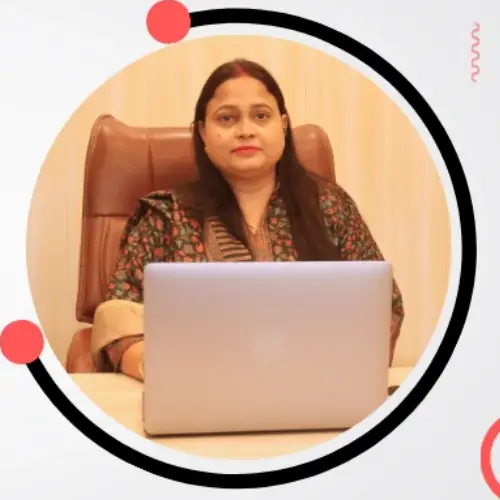
Sapna Kumari is the founder of Sanskriti Fancy Dresses (Since 2018) and a dance teacher who has been closely associated with school cultural programs and stage performances.
Through her work with schools, teachers and parents, she has gained practical experience in planning costumes for annual functions, folk dance performances and fancy dress competitions.
She writes about school costume planning, folk dance dresses and cultural event preparation to help teachers and parents organize stage performances smoothly.
Sapna Kumari has been actively working in the field of school event costumes and cultural performances.
Her experience includes:
costume planning for school annual functions
folk dance costumes for stage performances
fancy dress competition preparation
bulk costume coordination for school events
Through Sanskriti Fancy Dresses, she works closely with teachers, dance instructors and event coordinators to help them arrange costumes efficiently for school programs.