Santhali folk dance dress is simple, clean, and very natural in look. It does not depend on heavy embroidery or shine. Instead, it focuses on uniformity and movement.
This dance belongs to the Santhal tribal community. It is performed in states like Jharkhand, West Bengal, Odisha, and Bihar. The dance is always done in a group. Dancers stand close to each other, hold hands or shoulders, and move together.
Because of this group style, the costume must look similar on everyone. When all dancers wear the same pattern and colors, it creates a flowing wave effect during movement.
The dress is made using hand-woven cotton fabric. It feels light and breathable. The colors are mostly red, white, and black in checkered or striped patterns.
Flowers are also an important part of the look. They add a fresh and natural touch. The costume is designed for comfort, rhythm, and group coordination.
What Is Santhali Folk Dance and Where Is It Performed
Santhali dance is one of the most organized tribal dances in India. It is known for its rhythm and group formation. It is mainly performed in Jharkhand, West Bengal, Odisha and Bihar. The dance is done in a line or semi-circle. Dancers stay connected with each other. They move together with small, repeated steps.
The movements includes stepping in rhythm, slight jumping or hopping and body coordination. The dance is performed during:
- harvest festivals
- village celebrations
- cultural programs
Music plays an important role. Instruments like Madal (drum) and Bansi (flute) are used. Since the dance is group-based, the costume must support uniform movement and visual balance.
Why Costume Is Important in Santhali Folk Dance
Costume plays a big role in Santhali dance. It is not about individual style. It is about group appearance. All dancers wear similar dress. This creates a strong visual impact when they move together.
The checkered patterns and same colors help in forming a continuous design. When the dancers move in rhythm, it looks like a flowing wave.
The costume must be light in weight, easy to wear and comfortable for long time. The shorter draping style allows easy leg movement. It helps in stepping and hopping without restriction.
Flowers and simple jewellery add beauty without making the costume heavy. The costume also represents tribal identity, connection with nature and simple lifestyle.
Types of Santhali Folk Dance Costumes (Women and Men Styles)
Santhali dance includes both women and men. Their costumes are different but balanced.
Women’s Costume
Women wear a traditional two-piece outfit. It includes Panchi (lower garment) and Parhan (upper drape). This style is different from regular saree.
The draping is shorter. It ends above the ankle. This helps in easy movement. The fabric has checkered patterns and bright color combinations. The overall look is neat and uniform.
Men’s Costume
Men wear simple and practical clothing. It includes dhoti, gamcha (cloth) and turban. The dhoti is worn short. This helps in easy movement. The gamcha is tied around the waist or placed on the shoulder.
The turban may include feathers and flowers. The look is simple but matches the group style.
Santhali Folk Dance Dress for Women (Panchi Parhan Style)
The women’s costume is the main highlight of Santhali dance. It is simple but very beautiful.
Panchi (Lower Wrap)
The Panchi is wrapped around the waist. It is short in length, tied firmly and easy to manage. It allows free leg movement and easy stepping and hopping
Parhan (Upper Drape)
The Parhan is draped over the shoulder. It covers the upper body in a neat way. It is lightweight, comfortable and easy to adjust. Together, Panchi and Parhan form a two-piece saree style.
Pattern and Colors
The fabric usually has checkered or striped patterns
red, white, and black colors. This pattern is very important. It creates a uniform look in group dance.
Santhali Folk Dance Dress for Men
The men’s costume is simple and practical.
Dhoti
The dhoti is worn short. It helps in easy movement, active drumming and dancing.
Gamcha
A gamcha is used as waist cloth and shoulder cloth. It adds a traditional touch.
Turban (Pagri)
The turban is tied on the head. It may include feathers and flowers. It helps complete the traditional look.
Fabric Used in Santhali Dance Costume and Climate Comfort
Fabric in Santhali costume is always simple and practical. It is chosen based on comfort and weather. The most common fabric used is hand-woven cotton. It is preferred because it is breathable, light in weight and comfortable for long time.
The dance involves continuous movement. So the fabric should not feel heavy or sticky. In traditional use, natural cotton is used. It feels soft and allows easy movement.
For stage performances, sometimes synthetic blends and light silk are used. These give a slightly shiny look. But even then, the fabric is kept light. The main focus is always on comfort and ease of movement.
Panchi (Lower Wrap) Design, Length, and Movement Support
Panchi is the lower part of the dress. It is wrapped around the waist. Its design is simple but very important. It is shorter than a normal saree and tied above the ankle.
This helps in easy stepping, rhythmic hopping and smooth movement. The Panchi should be properly fitted, not too loose and not too tight. Loose wrapping can disturb movement.
Parhan (Upper Drape) Style and Wearing Method
The Parhan is the upper drape. It is wrapped around the torso and draped over the shoulder. It is simple in style, easy to wear and comfortable. The draping should be neat. It should not slip during movement.
The Parhan moves slightly with the body. This adds a natural flow to the dance. It should not be too long or heavy. The aim is to keep it secure and easy.
Checkered Patterns and Color Combinations in Santhali Costume
Patterns are a key part of Santhali dress. The fabric usually has checkered patterns and stripes. The main colors are red, white and black. These colors are traditional.
They create a strong visual effect. When dancers move together, the patterns look like a flowing design. The uniform pattern helps in group coordination, visual rhythm and neat appearance. The design is simple but very effective.
Floral Accessories (Hair Flowers, Garlands, Wristlets)
Flowers are a special part of Santhali costume. They are used in hair, neck and wrists. Women decorate their hair with fresh flowers like hibiscus or palash. Garlands are worn around the neck.
Sometimes flowers are also tied on wrists. These flowers add freshness, natural beauty and traditional touch. They are light and do not disturb movement. Flowers also match the theme of nature in Santhali culture.
Jewellery Used in Santhali Costume (Hasli, Anklets, Earrings)
Jewellery in Santhali dance is simple but traditional. Common items include Hasli (neckpiece), anklets, earrings and bangles. Most jewellery is made of silver or metal. The Hasli is a thick necklace worn close to the neck. Anklets produce sound during movement.
The jewellery should be secure, not too heavy and comfortable. It adds beauty without affecting performance.
Ghungroo (Ankle Bells) and Their Role in Rhythm
Ghungroo are small bells tied to the ankles. They create sound with each step. In Santhali dance, rhythm is very important. The ghungroo help in:
- matching drum beats
- maintaining timing
- adding sound effect
They should be light and properly tied. Loose ghungroo can disturb movement. The sound should be clear but not too heavy.
Hair Styling and Natural Look in Santhali Dance
Hair styling is simple and natural. Women usually tie hair in a bun and decorate it with flowers. The style is neat and practical. It should stay in place during dance.
Heavy styling is avoided. The focus is on natural look, traditional feel and comfort. This matches the overall theme of the costume.
How Schools and Dance Groups Choose the Right Santhali Folk Dance Dress
Schools need simple and comfortable costumes. They focus on lightweight fabric, proper fitting, easy-to-wear design and uniform patterns. Teachers also check:
- costume should not be loose
- students should move freely
- accessories should stay in place
Artificial flowers are often used for convenience. Stitched costumes are preferred over wrapping styles.
Common Mistakes While Choosing Santhali Folk Dance Dress
Some mistakes can affect the group performance. One common mistake is wrong pattern. It breaks the uniform look. Another mistake is heavy fabric. It makes movement difficult. Other mistakes include:
- loose draping
- too much jewellery
- wrong color combination
- poor fitting
Avoiding these mistakes helps in better coordination and appearance.
Frequently Asked Questions
Q. What is the main dress in Santhali dance?
A. Women wear Panchi and Parhan. Men wear dhoti and gamcha.
Q. What fabric is used in Santhali costume?
A. Cotton is commonly used.
Q. Why are checkered patterns used?
A. They create a uniform and rhythmic group look.
Q. Are flowers important in this costume?
A. Yes, flowers are an important part of the look.
Q. Can Santhali dance be performed in schools?
A. Yes, it is commonly performed in schools.
Q. What jewellery is used?
A. Simple silver jewellery like Hasli and anklets.
Q. Do dancers wear ghungroo?
A. Yes, small bells are tied to the ankles.
Q. What makes Santhali costume unique?
A. Its simple, uniform, and nature-based design makes it unique.
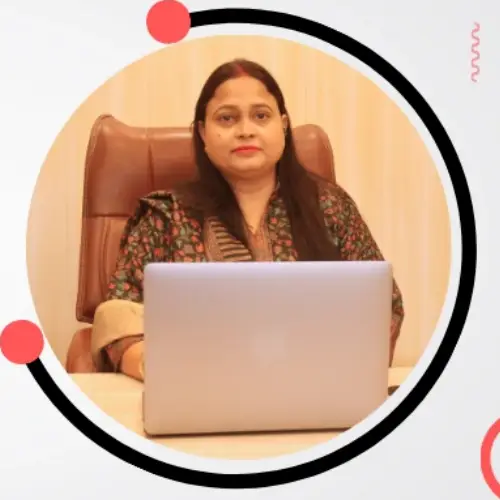
Sapna Kumari is the founder of Sanskriti Fancy Dresses (Since 2018) and a dance teacher who has been closely associated with school cultural programs and stage performances.
Through her work with schools, teachers and parents, she has gained practical experience in planning costumes for annual functions, folk dance performances and fancy dress competitions.
She writes about school costume planning, folk dance dresses and cultural event preparation to help teachers and parents organize stage performances smoothly.
Sapna Kumari has been actively working in the field of school event costumes and cultural performances.
Her experience includes:
costume planning for school annual functions
folk dance costumes for stage performances
fancy dress competition preparation
bulk costume coordination for school events
Through Sanskriti Fancy Dresses, she works closely with teachers, dance instructors and event coordinators to help them arrange costumes efficiently for school programs.